
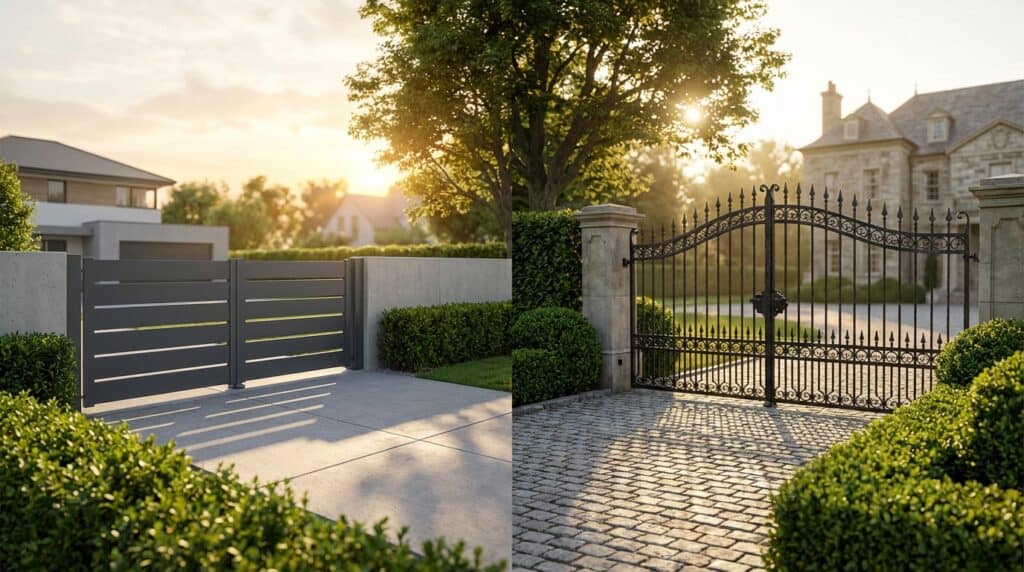
Aluminum Vs Wrought Iron: Choosing Between Modern Efficiency And Historic Strength
Choosing the right perimeter for your property is a high-stakes decision that balances curb appeal with long-term functionality. When weighing aluminum vs wrought iron, you are essentially choosing between the timeless prestige of traditional craftsmanship and the streamlined efficiency of modern engineering. Both materials offer a sophisticated aesthetic, but the differences in their composition dictate how much time and money you spend on upkeep over the next decade.
Property owners must decide if they prioritize the heavy-duty security and historical authenticity of iron or the rust-proof, lightweight versatility of aluminum. While iron provides unmatched impact resistance, aluminum has become a favorite for those seeking a solution that thrives in humid or coastal climates. Understanding these trade-offs is essential for selecting a fence that enhances your property without becoming a maintenance burden.
Key Takeaways
- Aluminum is the superior choice for coastal or humid environments because its non-ferrous composition makes it naturally rust-proof and resistant to salt spray.
- Wrought iron provides the highest level of security and impact resistance, making it the gold standard for high-traffic areas or historic estates requiring maximum structural strength.
- While wrought iron requires a higher upfront investment and recurring costs for sanding and painting, aluminum offers a more cost-effective, maintenance-free lifecycle.
- Choosing between these materials requires balancing the handcrafted, heavy-duty prestige of traditional iron against the streamlined efficiency and weather-resistance of modern aluminum.
Maintenance Requirements And Corrosion Resistance Factors
The primary distinction between these two materials lies in their chemical composition and how they react to the elements. Aluminum is naturally non-ferrous, meaning it contains no iron and is inherently resistant to oxidation and red rust. This characteristic makes it an exceptional choice for properties in humid or coastal climates where salt spray and moisture quickly degrade other metals. While wrought iron offers unmatched structural impact resistance, its vulnerability to moisture requires a proactive approach to prevent deep-seated corrosion. Choosing aluminum allows property owners to capture the high-end aesthetic of traditional metalwork without the threat of structural decay caused by environmental exposure.
Wrought iron demands a rigorous and recurring maintenance schedule to preserve its integrity and visual appeal. Owners must commit to cycles of sanding down rust spots, applying specialized primers, and repainting the surface every few years to keep the metal protected. If these steps are neglected, moisture can seep into the pores of the iron, leading to flaking and eventual weakness. In contrast, modern aluminum fabrications often feature high-quality powder coatings that bond to the metal at a molecular level. This durable finish eliminates the need for intensive labor, requiring nothing more than an occasional rinse with water to maintain a pristine, professional appearance for decades.
Investing in aluminum represents a strategic move toward long-term cost efficiency and convenience for both residential and commercial projects. By eliminating the necessity for professional refinishing crews and expensive anti-corrosion treatments, aluminum provides a maintenance-free lifestyle that wrought iron cannot match. This allows stakeholders to focus resources on other property improvements rather than constant metal repairs. While wrought iron remains a classic choice for historic restorations, aluminum has become the modern standard for those who value a sophisticated look paired with permanent durability. The result is a high-performance boundary that retains its value and beauty without the burden of constant manual upkeep.
Structural Integrity And Impact Strength Comparisons
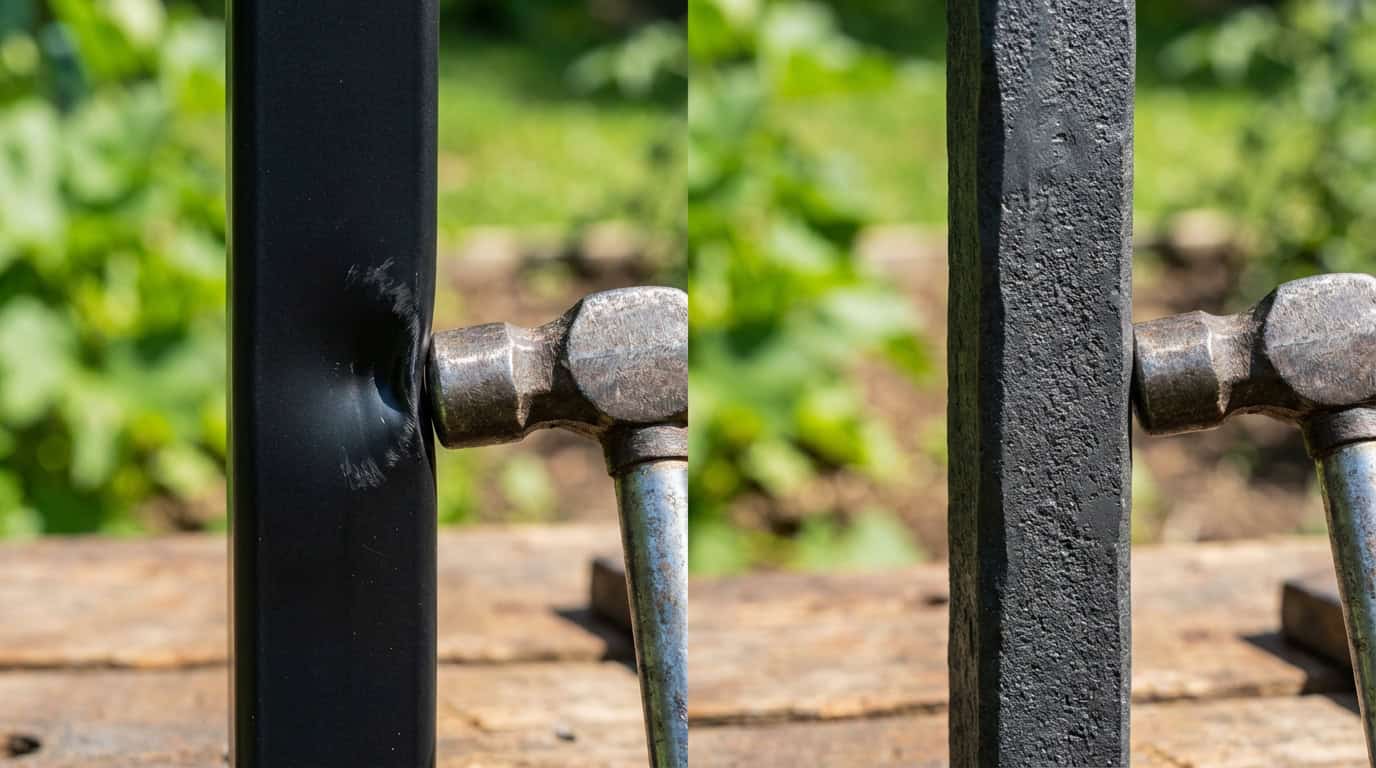
Wrought iron remains the gold standard for high security applications due to its immense physical density and superior impact resistance. This heavy duty material offers a level of structural rigidity that is difficult to match, making it nearly impossible to bend or break under manual force. Because of its weight and solid composition, it provides a formidable barrier for commercial properties or historic estates where security is the primary objective. The sheer mass of the iron ensures that the perimeter remains unyielding even in high traffic areas where accidental collisions might occur.
Aluminum presents a modern alternative that prioritizes flexibility and ease of installation without sacrificing a high end aesthetic. While it lacks the extreme density of iron, its lightweight nature allows for a much faster and more cost effective setup process that requires smaller crews. This material is particularly advantageous for complex terrains or residential projects where the structural load must be kept to a minimum. Modern fabrication techniques have also enhanced the resilience of aluminum, allowing it to withstand everyday wear while remaining entirely immune to the structural degradation caused by rust.
The decision between these two metals ultimately depends on whether your project requires raw stopping power or long term convenience. Wrought iron is the preferred choice for those who need a permanent, heavy duty fortress that can withstand significant physical stress over many decades. Conversely, aluminum is ideal for property owners who want the prestigious look of traditional metalwork combined with a maintenance free finish. By understanding the physical trade offs between density and agility, you can select the material that best aligns with your specific security needs and architectural goals.
Long Term Investment And Total Ownership Costs
When evaluating the financial commitment of a new fence or gate, the initial price tag is often just the beginning of the story. Wrought iron typically commands a higher upfront investment due to the substantial cost of raw materials and the specialized labor required for its heavy installation. While this material offers an unmatched level of impact resistance and security, the initial labor costs are significantly higher because of the professional crews and equipment needed to handle the weight. Aluminum serves as a more accessible entry point, offering a similar high-end aesthetic at a fraction of the starting price. This material is much lighter and easier to maneuver, which directly translates to lower labor expenses during the construction phase.
The true value of each metal becomes apparent when you factor in the recurring costs of ownership over several decades. Wrought iron is a high-maintenance material that requires regular sanding, priming, and painting to prevent the inevitable spread of rust and corrosion. These maintenance cycles represent a continuous drain on your budget, whether you pay for professional refinishing or invest your own time and supplies. In contrast, aluminum is naturally corrosion-proof and usually arrives with a durable powder-coated finish that never needs painting. Over a ten or twenty year period, the lack of upkeep costs makes aluminum the more fiscally responsible choice for many property owners, much like a cost analysis reveals for other low-maintenance fencing alternatives.
Choosing between these two materials ultimately depends on whether you prioritize historic authenticity or modern efficiency. Wrought iron remains the gold standard for high-security applications and historic restorations where the weight and strength of the metal are non-negotiable requirements. However, for those seeking a sophisticated look without a lifetime of chores, aluminum provides a superior return on investment by eliminating the need for expensive repairs. By selecting a high-quality aluminum fabrication, you can achieve the prestigious appearance of traditional ironwork while keeping your total cost of ownership predictably low. This balance of durability and convenience ensures that your investment continues to add value to your property without requiring constant financial attention.
Aesthetic Versatility For Modern And Historic Homes
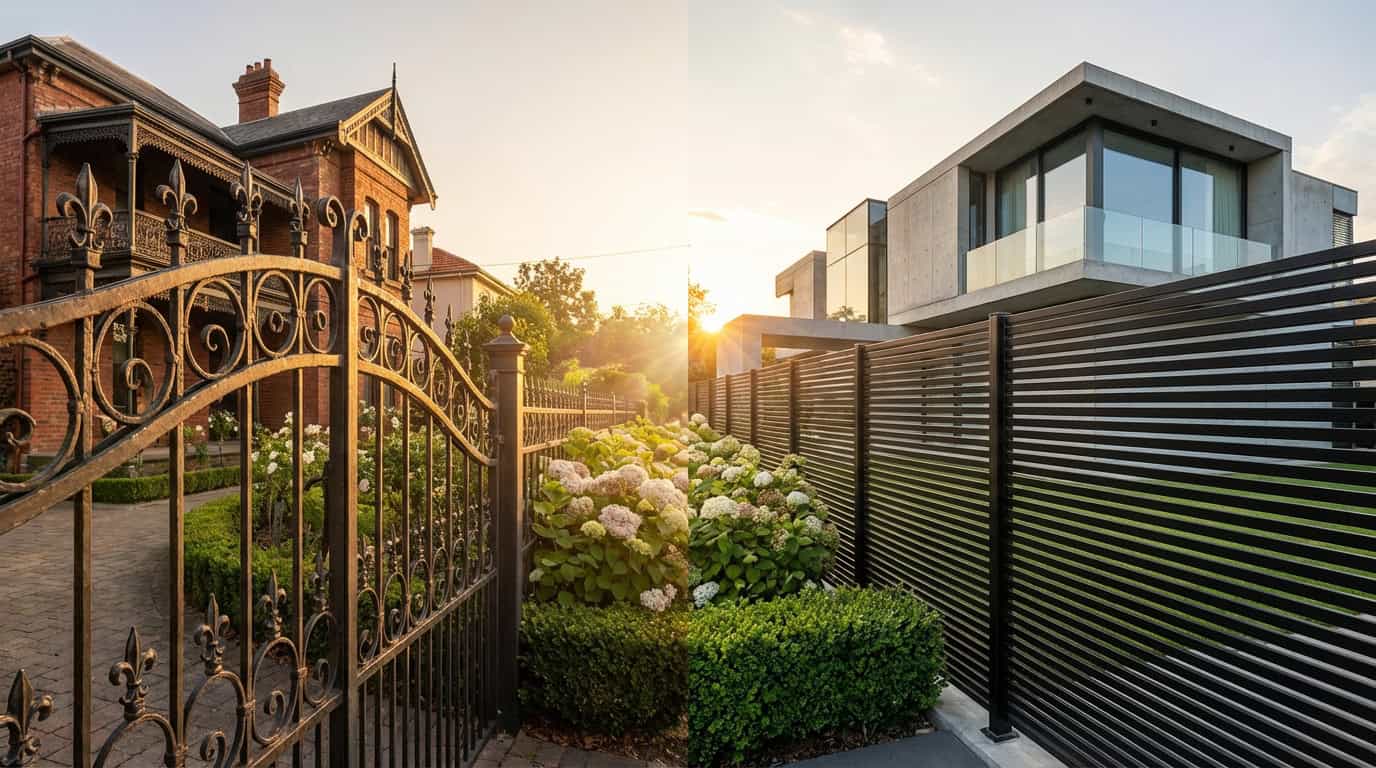
Wrought iron remains the gold standard for homeowners seeking a bespoke, historic aesthetic that exudes handcrafted luxury. Its unique ability to be heated and hammered into intricate scrolls, twists, and custom finials allows for a level of artistic detail that modern machinery rarely replicates. This material is particularly well suited for historic restorations or high end estates where the architectural goal is to convey a sense of permanent, old world strength. Because each piece is often custom forged, it offers a distinct character that feels deeply personal and rooted in traditional craftsmanship.
Aluminum has changed the market by offering a sleek, uniform alternative that perfectly complements modern and contemporary home designs. While it can be manufactured to mimic the classic appearance of iron, its true strength lies in its clean lines and high quality powder coated finishes. These finishes provide a smooth, consistent texture that stays vibrant for decades without the need for constant repainting or sanding. For homeowners who prioritize a polished, minimalist look alongside a maintenance free lifestyle, aluminum provides a sophisticated solution that balances visual appeal with industrial efficiency.
Choosing between these two materials often comes down to the specific architectural soul of the property and the owner’s long term maintenance goals. Wrought iron provides an unmatched, heavy duty presence that can be tailored to any ornate vision, though it requires a commitment to regular upkeep to prevent oxidation. On the other hand, aluminum offers a versatile and lightweight option that thrives in harsh environments, such as coastal areas, where salt air might otherwise damage traditional metals. Both materials offer significant curb appeal, ensuring that whether you choose the artisan touch of iron or the streamlined durability of aluminum, your home remains both secure and stylish.
Choosing Your Ideal Fencing Material
Ultimately, selecting between aluminum and wrought iron requires a careful balance of your long term goals for security and property maintenance. Wrought iron remains the gold standard for homeowners who prioritize unparalleled impact resistance and a heavy, historic aesthetic that commands attention. While it requires a commitment to periodic sanding and painting to prevent oxidation, the structural integrity and prestige it adds to a property are often worth the investment. This material is particularly well suited for high security applications where the sheer weight and strength of the metal serve as a primary deterrent.
Aluminum offers a modern solution for those who desire the classic look of metalwork without the demanding upkeep of traditional iron. Because it is naturally resistant to corrosion, aluminum is the superior choice for coastal climates or poolside installations where moisture and salt air are constant factors. It provides a cost effective alternative that is easier to install and maintain, requiring little more than an occasional rinse to keep it looking pristine. For many homeowners, the convenience of a rust proof finish outweighs the extreme density of iron, especially in residential settings.
Your final decision should reflect your specific environmental conditions and your willingness to perform regular home repairs. If you live in a harsh, damp climate and prefer a low-maintenance approach, aluminum is likely your best path forward. Conversely, if you are restoring a historic estate or require maximum protection against physical force, the timeless strength of custom fabricated iron is unmatched. By weighing these trade offs against your budget, you can select a metal that enhances your home for decades to come.
Frequently Asked Questions
1. Which material is better for coastal or humid environments?
Aluminum is the superior choice for coastal areas because it is naturally non-ferrous and contains no iron. This makes it inherently resistant to red rust and oxidation, allowing it to withstand salt spray and moisture without the risk of structural decay.
2. How do maintenance requirements differ between aluminum and wrought iron?
Aluminum offers a solution that requires virtually no upkeep to maintain its integrity. In contrast, wrought iron demands a rigorous schedule of sanding, priming, and painting to prevent moisture from causing deep-seated corrosion.
3. Which material provides better security for my property?
Wrought iron is the preferred option for high-security needs due to its unmatched impact resistance and heavy-duty weight. While aluminum is durable and versatile, it cannot match the sheer structural strength and formidable presence of traditional iron craftsmanship.
4. Is aluminum as durable as wrought iron over the long term?
While wrought iron is physically stronger, aluminum often lasts longer in harsh weather conditions because it does not rust. You must weigh the impact resistance of iron against the long-term corrosion resistance of aluminum to determine which durability best suits your landscape.
5. Can I achieve a traditional look with aluminum fencing?
Yes, modern aluminum engineering allows you to capture the high-end aesthetic of traditional metalwork. It provides the same sophisticated curb appeal as iron but with a more streamlined and lightweight design that is easier to install and maintain.
6. What are the primary trade-offs when choosing between these two metals?
The decision comes down to a choice between the historical authenticity of iron and the modern efficiency of aluminum. You must decide if you prioritize the heavy weight and prestige of iron or the rust-proof versatility and low maintenance of aluminum.