
Pressure Treated vs Cedar: Choosing The Right Wood For Your New Fence
Choosing the right material for an outdoor project often boils down to the classic debate of pressure treated vs cedar. While one relies on advanced chemical infusions to battle rot and termites, the other utilizes natural oils and tannins to provide organic resistance. Homeowners must balance the need for structural longevity against the desire for a premium aesthetic.
Recent field studies highlight that the best choice depends entirely on the local climate and specific project goals. Pressure-treated lumber offers durability for ground-contact structures, whereas cedar excels in dimensional stability and resisting warps or cracks. Understanding these fundamental differences ensures a deck or fence remains beautiful and sturdy for decades.
Key Takeaways
- Pressure-treated lumber is the superior choice for ground-contact supports and structural foundations due to its high-pressure chemical infusion that repels termites and fungal decay in moist soil.
- Cedar provides superior dimensional stability and aesthetic appeal, utilizing natural oils and tannins to resist warping, twisting, and shrinking without the need for man-made chemicals.
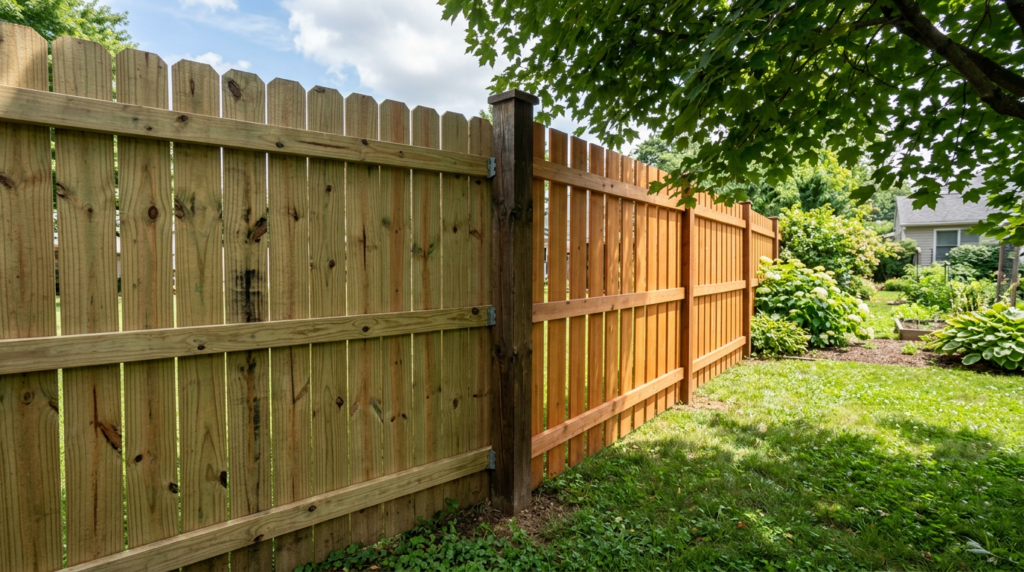
- A hybrid construction approach—using pressure-treated wood for buried posts and cedar for visible rails and pickets—maximizes structural longevity while maintaining high-end curb appeal.
- While pressure-treated wood offers a lower upfront cost, cedar’s resistance to checking and its ability to age gracefully often level out the total cost of ownership over a decade of maintenance.
Chemical Protection vs Natural Tannins
The core difference between these two materials lies in how they combat the elements, with pressure treated lumber relying on a specialized manufacturing process. Typically sourced from Southern Yellow Pine, this wood undergoes a high pressure treatment that forces copper based preservatives deep into the cellular structure of the timber. This chemical infusion creates a robust barrier specifically engineered to repel termites and fungal decay even when the wood is in direct contact with moist soil. While this makes the material durable for structural applications, the heavy moisture content from the treatment process can lead to more frequent warping or shrinking as the wood dries out over time.
Cedar takes a different approach to preservation by utilizing its own internal chemistry rather than man made additives. This wood is naturally saturated with organic oils and tannins, specifically thujaplicins, which serve as a built in defense system against rot and wood boring insects. Because these protective properties are inherent to the fiber of the wood, cedar does not require the same chemical saturation as pine to remain resilient outdoors. This natural composition results in a more dimensionally stable board that is less prone to twisting or bowing, making it a favorite for those who prioritize a straight and uniform appearance for fencing.
Choosing between these two options often comes down to a balance of long term utility and immediate curb appeal. Pressure treated wood is a reliable choice, offering a budget friendly solution that excels in environments where ground moisture is a constant threat. On the other hand, cedar provides a premium aesthetic and a pleasant scent that chemical treatments cannot replicate. While both materials offer excellent protection, understanding whether you prefer a chemical shield or organic resilience is the first step in selecting the right investment for a property.
Structural Longevity and Ground Contact Performance
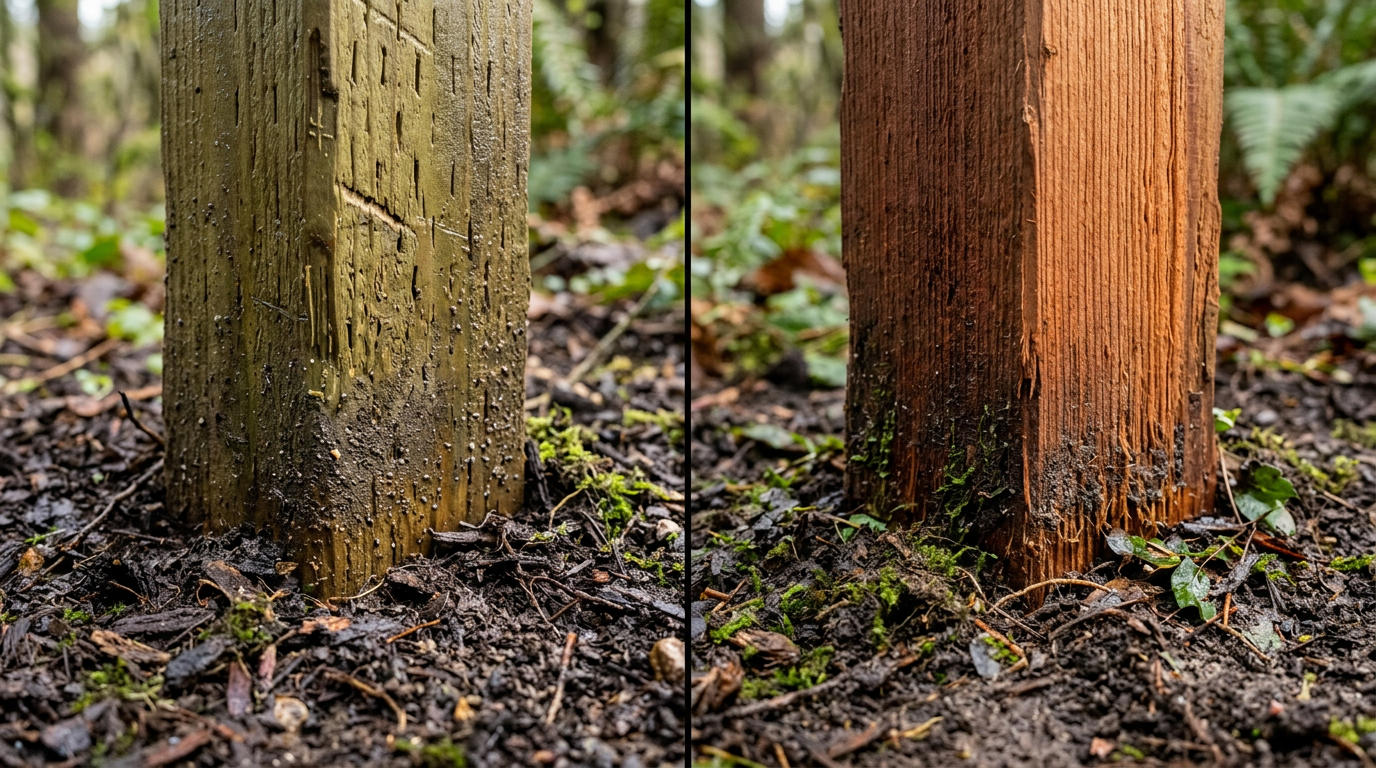
When evaluating structural longevity, the primary differentiator lies in how each material handles direct ground contact. Pressure-treated lumber is engineered specifically for burial, using high-pressure cycles to infuse chemical preservatives deep into the wood fibers. This process creates a robust chemical shield that is unmatched in its ability to resist fungal decay and subterranean termites in damp soil. While cedar possesses natural tannins that repel insects, it can struggle with moisture absorption when buried for extended periods. For fence posts and foundational supports, pressure-treated wood remains the standard for preventing structural failure at the ground line.
Above the ground, the performance dynamic shifts toward dimensional stability and aesthetic resilience. Cedar is renowned for its ability to remain straight and true, experiencing significantly less warping, twisting, or cupping than pressure-treated counterparts. Because it does not rely on heavy chemical saturation, cedar boards dry more evenly and maintain structural integrity without the aggressive shrinking often seen in treated pine. This makes cedar the premium choice for pickets and rails where visual alignment is critical. Homeowners often find that while the base of a fence requires the strength of treated wood, the visible structure benefits from the natural grace of cedar.
Deciding between these two materials often comes down to balancing a project budget with long-term maintenance expectations. Pressure-treated wood offers a cost-effective entry point and protection against rot in harsh environments, but it requires frequent sealing to prevent splitting and checking over time. Cedar demands a higher initial investment but rewards the owner with a naturally beautiful finish and a stable structure that resists the elements without heavy chemical intervention. By using pressure-treated posts for ground contact and cedar for the remaining panels, you can achieve a hybrid construction approach that maximizes both structural longevity and curb appeal.
Aesthetic Appeal and Dimensional Stability
When choosing between cedar and pressure treated lumber, the most immediate difference lies in their natural visual character. Cedar is widely celebrated for its warm, reddish hues and rich grain patterns that provide a high end, organic look. In contrast, pressure treated pine often carries a distinct greenish tint from the chemical infusion process and typically features more pronounced knots and a coarser texture. While both materials can be stained to alter their appearance, cedar absorbs finishes more evenly, allowing for a sophisticated aesthetic that pressure treated wood cannot replicate.
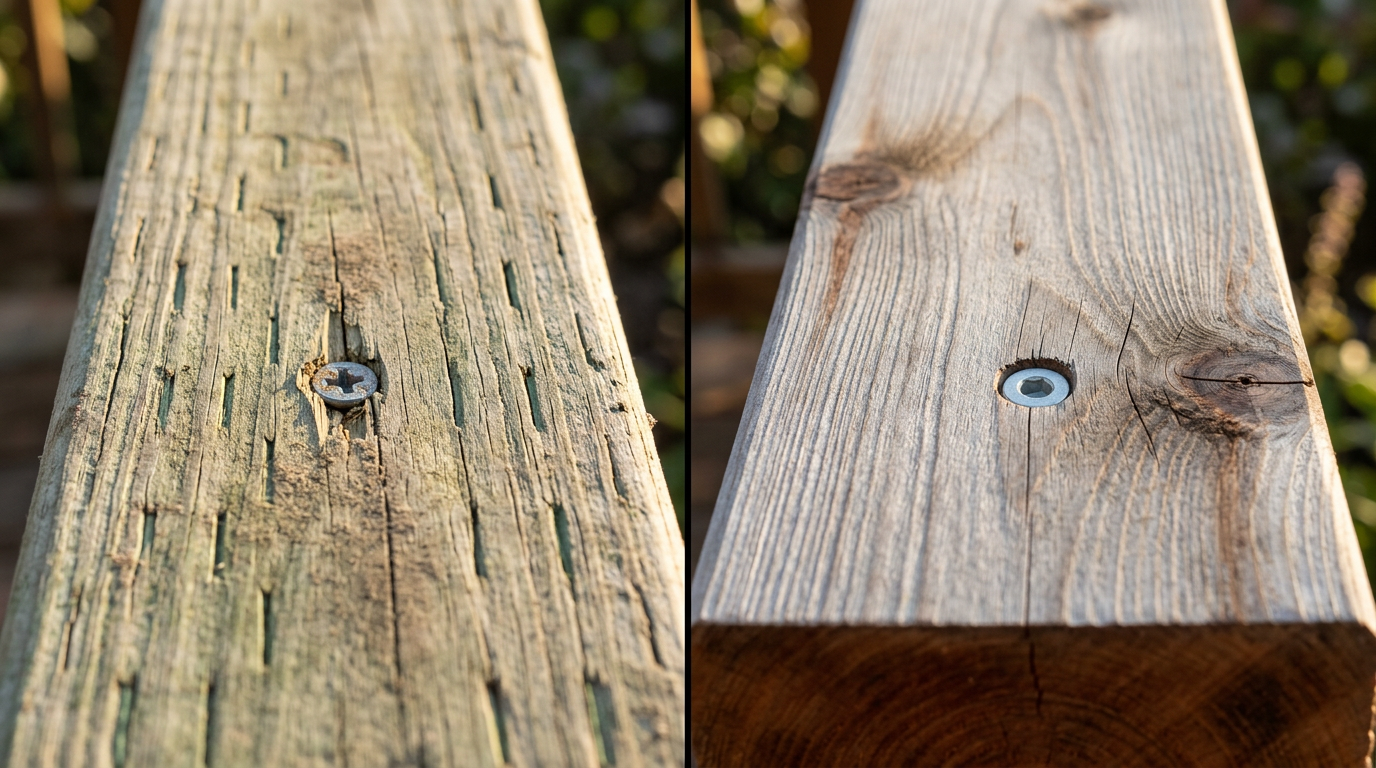
Beyond surface level beauty, cedar offers superior dimensional stability that is critical for the long term integrity of a fence or deck. Because cedar is naturally resistant to moisture absorption, it undergoes significantly less expansion and contraction when exposed to the elements. This inherent trait prevents the common issues of warping, twisting, and cupping that frequently plague pressure treated lumber as it dries out. By choosing a material that stays flat and straight, you ensure that an outdoor structure maintains its tight joints and crisp lines for years.
Pressure treated lumber is saturated with liquid preservatives during manufacturing, which means it remains moist for a long period after installation. As this internal moisture eventually evaporates, the wood fibers often pull and shrink unevenly, leading to cracks known as checking. Cedar avoids this volatile drying cycle because it relies on its own natural oils rather than heavy chemical saturation for protection. Homeowners who prioritize a fence that remains structurally sound and visually consistent without constant adjustments will find that cedar provides reliable performance over time.
Upfront Investment vs Long-Term Maintenance Costs
The initial price difference between pressure treated pine and cedar is often a significant factor during the planning phase. Pressure treated lumber typically costs thirty to forty percent less than cedar, making it a common choice for those prioritizing a lower upfront cost. This budget friendly wood is chemically infused to resist rot and insects, providing a durable foundation for a fence or deck without a high initial price tag. However, buyers should prepare for the reality that this lower cost comes with a higher tendency for the wood to warp, twist, or shrink as it dries.
Cedar commands a premium price because it offers superior dimensional stability and natural beauty that treated pine cannot match. While the initial material cost is higher, cedar contains organic oils that naturally repel pests and prevent decay without the need for heavy chemical treatments. This premium wood stays straighter over time, which reduces the likelihood of structural issues like sagging gates or bowed pickets. For many, the aesthetic appeal of the tight grain and rich color justifies the higher entry price, especially when considering the curb appeal it adds to a property.
Long term maintenance costs eventually bridge the gap between these two popular material choices. Both woods require regular staining or sealing every two to three years to maintain their appearance and prevent silvering from UV exposure. Because pressure treated pine is more prone to cracking and splintering, it often requires more intensive sanding and prep work before each maintenance cycle. Cedar accepts stains more evenly and tends to age more gracefully, potentially saving money on labor and repairs over the lifespan of the structure. When calculating the total cost of ownership, the difference in price often levels out after a decade of routine upkeep.
Choosing the Right Wood for Your Build
Deciding between pressure treated lumber and cedar ultimately depends on how you prioritize long term value against immediate curb appeal. If you are working with a strict budget or a property deals with consistently damp soil, pressure treated wood is a practical and rugged choice that offers high resistance to fungal decay. While it may require more maintenance to prevent warping over time, its chemical fortification provides a reliable structural foundation that can last for decades. This material is ideal for those who want a functional, durable barrier without the premium price tag associated with high end hardwoods.
For those who prioritize a refined aesthetic and natural dimensional stability, cedar stands out as a superior investment for an outdoor living space. Because cedar contains its own organic oils, it is far less likely to twist, cup, or shrink as the seasons change, which keeps fence lines straight and gates functioning smoothly. The warm hues and pleasant aroma of cedar provide an upscale look that boosts property value and complements high end landscaping. While the initial cost is higher, the reduced need for chemical treatments and the natural beauty of the wood often justify the expense for many property owners.
Before requesting a professional measurement, take a moment to evaluate the local climate and the time you are willing to dedicate to wood preservation. In regions with extreme humidity or high insect activity, the chemical shield of treated pine might offer more peace of mind, whereas drier climates allow cedar to age gracefully into a silver patina. Consider a long term financial plan, as a cheaper upfront cost may lead to more staining and sealing tasks in the future. Once you have balanced aesthetic goals with practical needs, you will be ready to move forward with a project that enhances your home for years to come.
Frequently Asked Questions
1. Which material is better for direct contact with the ground?
Pressure treated lumber is the superior choice for ground contact structures because it undergoes a high pressure chemical infusion designed to repel termites and fungal decay in moist soil. While cedar has natural resistance, it can still succumb to rot over time if it remains in constant contact with damp earth.
2. How do these two types of wood differ in their natural defense mechanisms?
Pressure treated wood relies on copper based preservatives forced deep into the timber to provide protection against the elements. In contrast, cedar utilizes its own internal chemistry, specifically organic oils and tannins called thujaplicins, to naturally resist rot and insects.
3. Which wood is less likely to warp or crack over time?
Cedar offers better dimensional stability and is much less prone to warping, shrinking, or cracking as it ages. Pressure treated lumber often has a high moisture content from the treatment process, which can lead to significant movement and twisting as the wood dries out.
4. Does cedar require chemical treatments to stay durable?
No, cedar does not require man made additives because its protective properties are inherent to the wood fibers. This makes it an excellent option if you prefer a more organic material that avoids the heavy chemical infusions found in treated pine.
5. Which option provides a more high end aesthetic for my project?
Cedar is widely considered the premium choice for those seeking a high end look due to its beautiful grain and natural color. While pressure treated wood is highly functional for structural needs, it often lacks the refined visual appeal that cedar provides for visible surfaces like deck boards and fences.
6. How should I choose between these two materials for my specific climate?
You should evaluate local moisture levels and the specific goals of the project to make the best decision. If you are building a structural foundation in a damp environment, choose pressure treated wood, but opt for cedar if you prioritize aesthetic beauty and resistance to warping.