
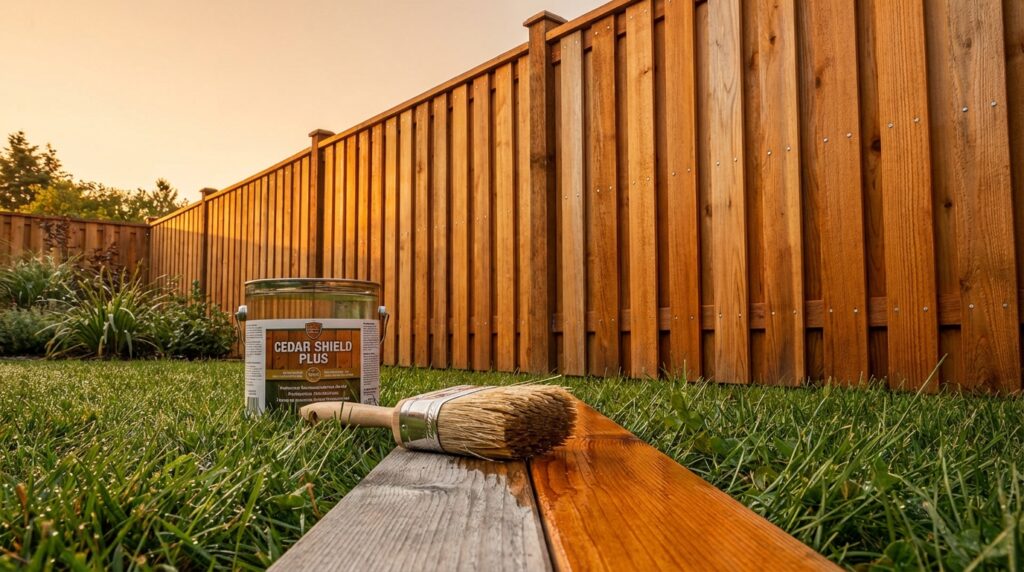
The Ultimate Guide To Cedar Fence Maintenance Costs And Total Ownership Value
A cedar fence is a premium investment that brings unmatched warmth and curb appeal to your property, but its longevity depends entirely on consistent care. While cedar is prized for its natural resistance to rot, harsh weather can quickly turn that vibrant amber to a weathered gray without the right strategy. Understanding your projected cedar fence maintenance cost is the first step in protecting your perimeter and ensuring your wood retains its structural integrity for decades.
Budgeting for upkeep involves balancing small annual tasks with more significant periodic refreshes to maximize your fence’s 25-year potential. From basic cleaning supplies to professional-grade sealants, these costs are a fraction of the price of a full fence replacement. By planning for routine staining and minor repairs now, you can preserve the natural oils that keep pests at bay and maintain a pristine outdoor space.
Key Takeaways
- Budget an annual maintenance fund of $200 to $500 for cleaning supplies and minor repairs to prevent small issues from escalating into expensive structural failures.
- Invest $500 to $1,500 every few years for professional staining and sealing to protect against UV damage and moisture, extending the fence’s lifespan to its full 30-year potential.
- Prioritize proactive component repairs, such as replacing individual pickets or rails at a cost of $8.50 to $9.25 per linear foot, to maintain structural integrity and avoid a full fence replacement.
- Utilize high-quality oil-based stains and consistent cleaning schedules to preserve the wood’s natural oils and minimize the need for aggressive, costly restoration projects.
Annual Budget For Cedar Cleaning And Inspection
Maintaining the pristine look of a premium cedar fence requires a consistent financial commitment of approximately $200 to $500 each year. This budget primarily covers high quality wood cleaners and specialized mold prevention treatments designed to protect the natural oils within the timber. Investing in these cleaning supplies ensures that you are proactively fighting against the moisture and UV rays that cause cedar to turn gray over time. Homeowners should also use these funds to acquire basic DIY upkeep tools like stiff bristle brushes and low pressure sprayers. By staying ahead of organic growth, you protect your initial investment and maintain the fence’s structural integrity throughout the seasons.
A thorough annual inspection is the second pillar of cost effective cedar fence ownership. During this process, you should look for loose fasteners, minor warping, or areas where the wood has become overly saturated. Addressing these small issues early prevents them from escalating into expensive structural repairs that could cost thousands of dollars later. This yearly budget also allows for the application of spot treatments to high traffic or high moisture areas that show signs of early wear. Taking the time to evaluate the fence every twelve months ensures that the wood remains healthy and ready for professional staining when the time comes.
While the annual expenditure may seem like an added cost, it significantly extends the lifespan of your cedar fencing to its full thirty year potential. Regular cleaning prepares the wood surface for better absorption of professional grade sealants, which reduces the frequency of total refinishing projects. Homeowners who skip this routine maintenance often find that their fences require aggressive sanding or even board replacements before they can be stained. By budgeting for these yearly essentials, you create a direct path to a beautiful, long lasting perimeter that enhances your property value. Consistent care is the most reliable way to avoid the premature degradation of such a valuable outdoor asset.
Professional Staining And Sealing Price Factors
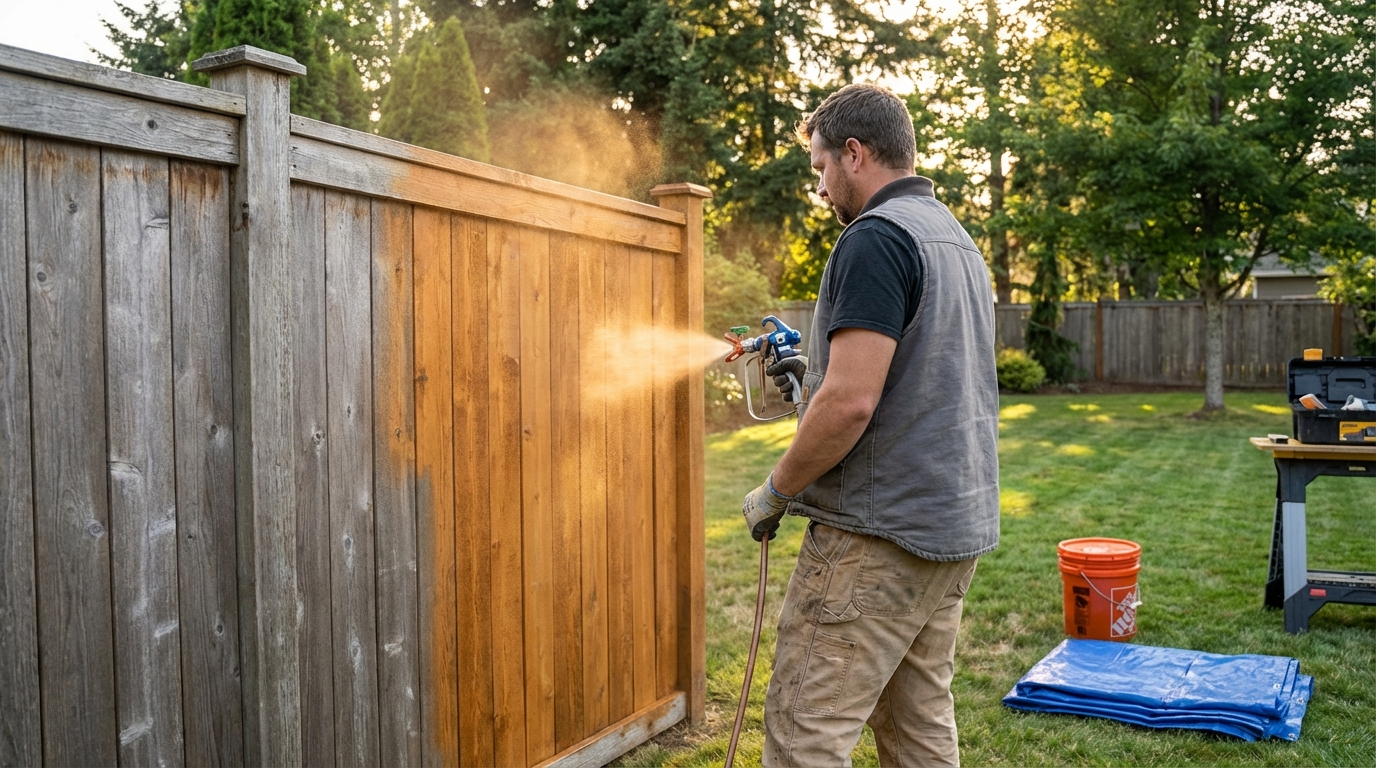
Professional staining and sealing services typically range from $500 to $1,500, with the total price largely determined by the linear footage of your cedar fence. Most contractors provide estimates based on the size of the project, meaning a standard 150 foot fence will sit at the lower end of the spectrum while larger properties require a higher investment. Beyond just the length, the height and design complexity of the fence also play a role in labor costs. Intricate lattice work or double sided privacy fences require more time and precision, which can drive up the service fee. Investing in professional staining labor ensures an even application that protects the wood’s structural integrity over the long term.
The quality of the sealant or stain you select is another primary driver of the overall maintenance cost. Premium oil based stains often carry a higher price tag upfront, but they provide deeper penetration into the cedar fibers to replenish natural oils. These high end products offer superior UV protection and moisture resistance, which can extend the time between necessary reapplications. Choosing a budget grade sealer might save money today, but it often leads to more frequent maintenance cycles and higher cumulative costs over the lifespan of the fence. Selecting a mid to high range product is generally the most cost effective strategy for preserving your property’s value.
Homeowners must also account for the current condition of the wood when budgeting for professional finishing. If a fence has significant graying or existing peeling finish, the contractor will likely charge additional fees for specialized cleaning and power washing. This preparation phase is essential because applying a new seal over dirt or mold will cause the product to fail prematurely. By addressing these factors early, you can ensure that your $500 to $1,500 investment provides the maximum possible protection. Ultimately, a well maintained cedar fence can last up to 30 years, making these periodic professional services a vital part of protecting your initial capital investment.
Material Costs For Cedar Component Repairs
Maintaining the structural integrity of your cedar fence often requires more than just surface treatments, as localized damage to specific components can occur over time. When individual pickets or horizontal rails succumb to physical impact or ground moisture, prompt replacement is essential to prevent the damage from spreading to adjacent sections. Current market rates for raw cedar materials typically range from $8.50 to $9.25 per linear foot, reflecting the premium nature of this durable wood species. Investing in high quality replacement components ensures that the fence maintains its uniform appearance and structural strength. These material costs represent a baseline investment for homeowners who prioritize the long term value and curb appeal of their property.
While the price of raw lumber is a primary factor, the total cost of ownership for a cedar fence is best managed through proactive component repairs rather than full section replacements. Addressing a cracked rail or a warped picket immediately prevents the weight of the fence from shifting and causing further mechanical stress on the posts. By budgeting for these specific material expenses, you can extend the overall lifespan of the installation to its full thirty year potential. Once new components are installed, they should be integrated into a consistent staining and sealing schedule to match the existing wood. This strategic approach to maintenance protects your initial investment and keeps the fence looking professional for decades.
Budgeting for Long-Term Cedar Fence Upkeep
Investing in a cedar fence is a commitment to both beauty and longevity, but achieving a thirty year lifespan requires a proactive approach to maintenance costs. While the natural oils in cedar provide a baseline of protection, budgeting approximately two hundred to five hundred dollars annually for basic upkeep ensures the wood remains resilient against the elements. This consistent financial commitment prevents minor issues from escalating into expensive structural failures. By viewing these recurring expenses as a preservation of your initial investment, you can enjoy the full functional life of the fence without the need for a premature and costly replacement.
The highest return on investment comes from professional staining and sealing services, which typically range from five hundred to fifteen hundred dollars for a standard residential property. These periodic treatments are essential for locking out moisture and preventing the graying caused by UV exposure. When you weigh the cost of a professional refresh against the price of a full fence tear down and install, the financial benefits of maintenance become clear. Choosing high quality sealants and expert application every few years ensures your cedar remains a premium asset that adds significant value to your home.
Ultimately, the total cost of ownership for a cedar fence is manageable when spread across its multi decade lifespan. Homeowners who prioritize a routine schedule of cleaning and sealing effectively lower their long term expenses by avoiding major repairs. This strategic approach transforms a simple boundary into a lasting architectural feature that stands the test of time. When planning your entrance, choosing between sliding and swing gates can also impact your long-term maintenance needs and overall property accessibility. By staying diligent with your maintenance budget today, you secure a beautiful and sturdy perimeter for your property well into the future.
Frequently Asked Questions
1. How much should I budget annually for cedar fence upkeep?
Homeowners should plan for an annual expenditure of $200 to $500. This covers cleaning supplies, mold prevention treatments, and minor DIY tools needed to maintain the wood’s appearance and structural health.
2. What are the primary costs involved in cleaning a cedar fence?
Costs include high-quality wood cleaners, specialized brushes, and low-pressure sprayers. These materials help remove organic growth and prepare the surface for future staining or sealing.
3. Is professional staining more cost effective than doing it yourself?
While professional services range from $500 to $1,500, they often provide a more durable finish that lasts longer than DIY applications. This can reduce the frequency of reapplications and save money on long-term wood repairs.
4. How do minor repair costs prevent larger financial burdens?
Replacing individual pickets or rails as they show wear prevents structural stress on the entire fence. Addressing these small issues early avoids the high cost of a total fence replacement.
5. What happens to my maintenance costs if I neglect my cedar fence?
Neglect leads to graying, rot, and structural instability. This often results in much higher costs for aggressive restoration, extensive board replacement, or a complete rebuild of the perimeter.
6. Does the cost of maintenance vary by the age of the cedar fence?
Older fences may require more frequent inspections and localized repairs to maintain their integrity. However, consistent maintenance from the time of installation keeps these maintenance fees predictable and manageable over thirty years.