
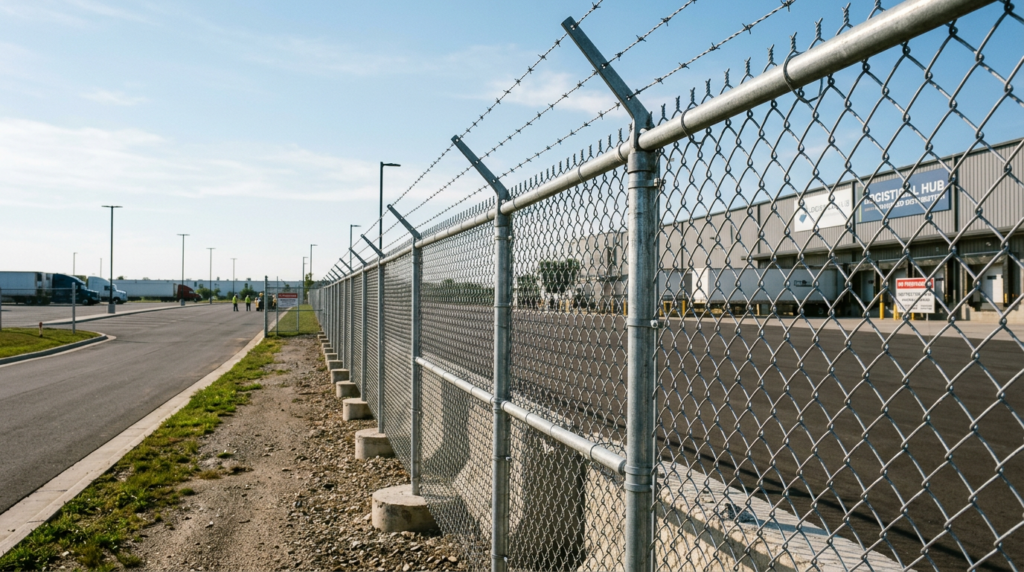
Commercial Chain Link Pricing Guide For 2025 Security Budgets
Securing a commercial perimeter requires a balance between durability and budget management. Understanding commercial chain link pricing is essential for project managers and business owners planning for 2025 and 2026, as industrial-grade materials demand a higher investment than standard residential options. With costs typically ranging from $15 to $40 per linear foot installed, the total price is driven primarily by heavier steel gauges and specialized coatings.
Managing these costs involves an analysis of regional labor shifts and material specifications. Choosing thicker wire and reinforced posts ensures long-term security, but these premium components increase the initial expenditure. By prioritizing the right balance of gauge and height, you can achieve a high-security boundary that remains cost-effective over its entire lifecycle.
Key Takeaways
- Professional industrial chain link installation for 2025-2026 typically costs between $15 and $40 per linear foot, driven by heavy-duty steel gauges and specialized labor.
- Upgrading to 6-gauge or 9-gauge wire and adding vinyl or aluminized coatings significantly increases initial costs but provides a higher return on investment by reducing long-term maintenance and replacement needs.
- Height extensions and site complexities, such as rocky soil or steep grades, require reinforced posts and deeper footings that quickly scale the price per linear foot upward.
- Commercial gate systems and automated entries represent the most significant budget variables, with high-quality cantilever or overhead track systems ranging from $2,000 to over $10,000.
Average Cost Per Linear Foot For Industrial Installation
Budgeting for high-security perimeter protection requires a clear understanding of the 2025-2026 pricing benchmarks for industrial-grade chain link fencing. For a professional installation, business owners should expect to invest between $15 and $40 per linear foot. This price range accounts for the heavy-duty materials required to secure commercial sites, including thicker wire gauges and reinforced terminal posts. While residential projects often prioritize aesthetics, industrial applications focus on durability and deterrence, which drives the cost toward the higher end of the spectrum. Property managers must factor in both the physical assets and the specialized labor required to ensure the structure meets safety standards.
The gap between materials-only costs and full-service installation remains a significant consideration for procurement. Sourcing commercial chain link specifications typically costs between $10 and $20 per linear foot for the hardware alone, but this does not include the specialized equipment needed for industrial setting. Professional installers provide the heavy machinery and expertise required to navigate varying terrain and ensure post stability in high-traffic areas. Opting for a full-service contract often provides better long-term value through warranties and proper tensioning that prevents sagging over time. These professional rates also account for regional labor shifts, which can push prices higher in major metropolitan markets.
Selecting the right configuration is the most effective way to manage the total project expenditure without compromising site security. Thicker 6-gauge or 9-gauge wire and specialized coatings like black vinyl or aluminized steel will influence the final per-foot price. Bulk footage requests for large-scale facilities often allow for better economies of scale, helping to lower the average cost per foot on expansive perimeters. By focusing on these industrial benchmarks, decision-makers can accurately forecast capital expenditures for the upcoming fiscal years. Secure fencing remains one of the most cost-effective methods for protecting inventory, machinery, and commercial property assets.
Impact Of Wire Gauge And Coating On Estimates
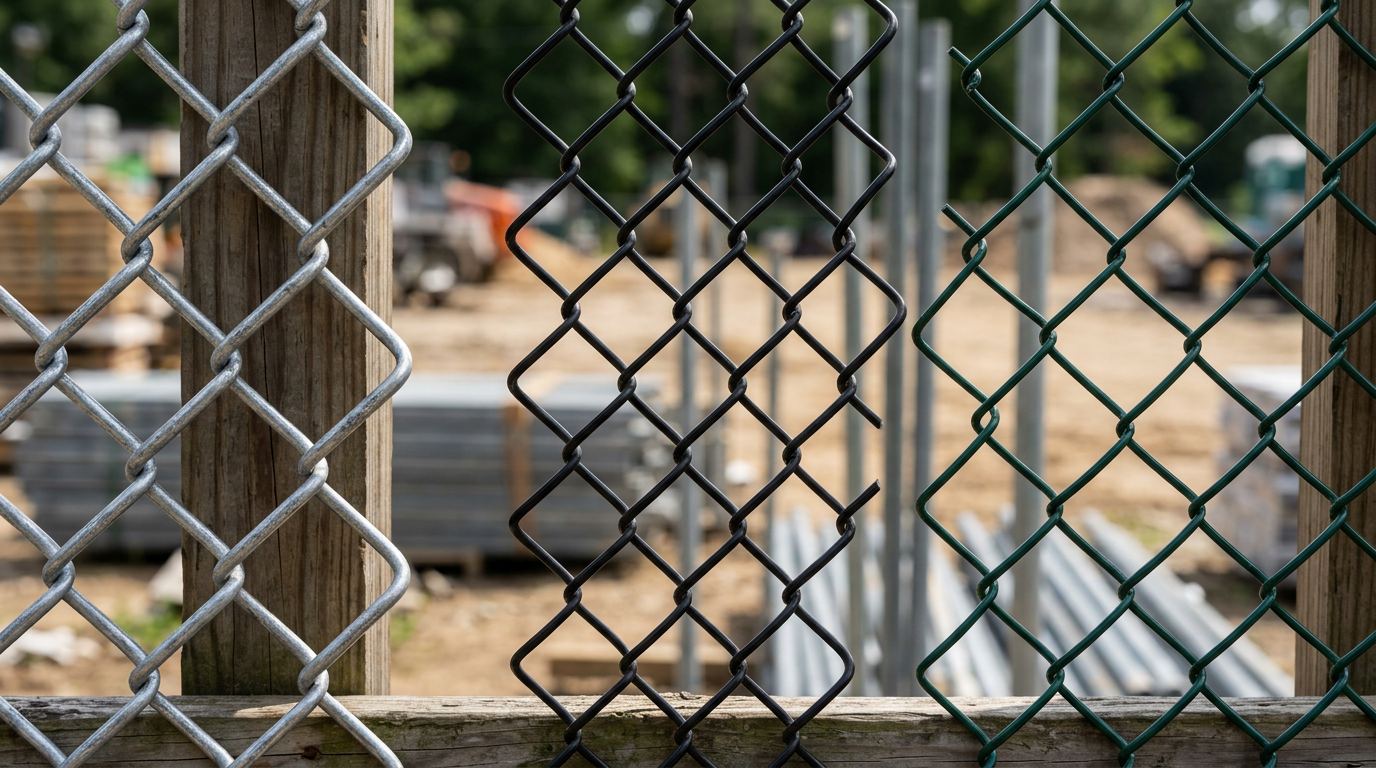
Selecting the right wire gauge is one of the most significant factors in determining the final cost of a commercial perimeter project. While standard residential fencing often utilizes 11 or 12 gauge wire, commercial applications typically require the increased strength of 9 gauge or the heavy duty protection of 6 gauge steel. Upgrading to heavier steel gauges adds substantial weight and material volume to the order, which can increase the per foot price by thirty percent or more compared to standard commercial options. This upfront investment is often necessary for high security facilities or industrial yards where the fence must withstand physical impact and attempts at forced entry. Business owners should view the thicker gauge as a long term cost saving measure, as it significantly reduces the need for frequent repairs or premature replacement.
The choice of coating is another critical variable that influences both the initial quote and the long term maintenance budget of a facility. Traditional galvanized steel provides excellent rust resistance at a lower price point, making it the choice for budget conscious property managers. However, many modern commercial projects now opt for PVC or vinyl coatings in colors like black or green to improve the aesthetic appeal and provide an extra layer of protection against the elements. This coating process adds a premium to the material costs, but it can extend the lifespan of the fence in coastal or high humidity environments. When requesting bulk footage quotes, it is important to specify whether you require standard galvanization or a specialized color coating to ensure accurate budget forecasting.
Balancing these material specifications allows business owners to tailor their security solutions to their specific operational needs and financial constraints. A high traffic industrial site may prioritize the extreme durability of 6 gauge wire to protect valuable assets, while a commercial office park might focus on the professional look of a black PVC coated 9 gauge system. Because labor rates for commercial installations are generally higher than residential ones, choosing higher quality materials during the initial build is often more economical than upgrading later. Property managers should work closely with their contractors to evaluate how these different gauges and coatings impact the total project estimate. Investing in the right specifications during the planning phase ensures a secure perimeter that remains functional for decades.
Height Requirements And Site Complexity Pricing Variables
Height requirements play a pivotal role in determining the final quote for commercial chain link projects, especially when security is the top priority. While a standard six-foot fence serves basic boundary needs, industrial applications often require eight or ten-foot heights to deter intruders effectively. These vertical extensions require significantly heavier terminal posts and deeper concrete footings to handle the increased wind load and weight. Furthermore, adding high-security features like barbed wire or razor wire outriggers introduces additional material costs and specialized labor hours. Business owners should expect the price per linear foot to scale upward quickly as the vertical footprint of the structure increases.
Site complexity and regional labor market fluctuations further influence the total investment required for a perimeter upgrade. In metropolitan hubs, higher cost-of-living standards drive up the hourly rates for skilled fencing contractors. Beyond labor rates, the physical characteristics of the job site, such as rocky soil, steep grades, or restricted access areas, can add significant surcharges to the invoice. Clearing existing vegetation or navigating underground utilities requires extra time and precision, which directly impacts the bottom line. Property managers should account for these logistical variables when requesting bulk-footage quotes to ensure budget accuracy.
Calculating Total Investment For Commercial Gate Systems
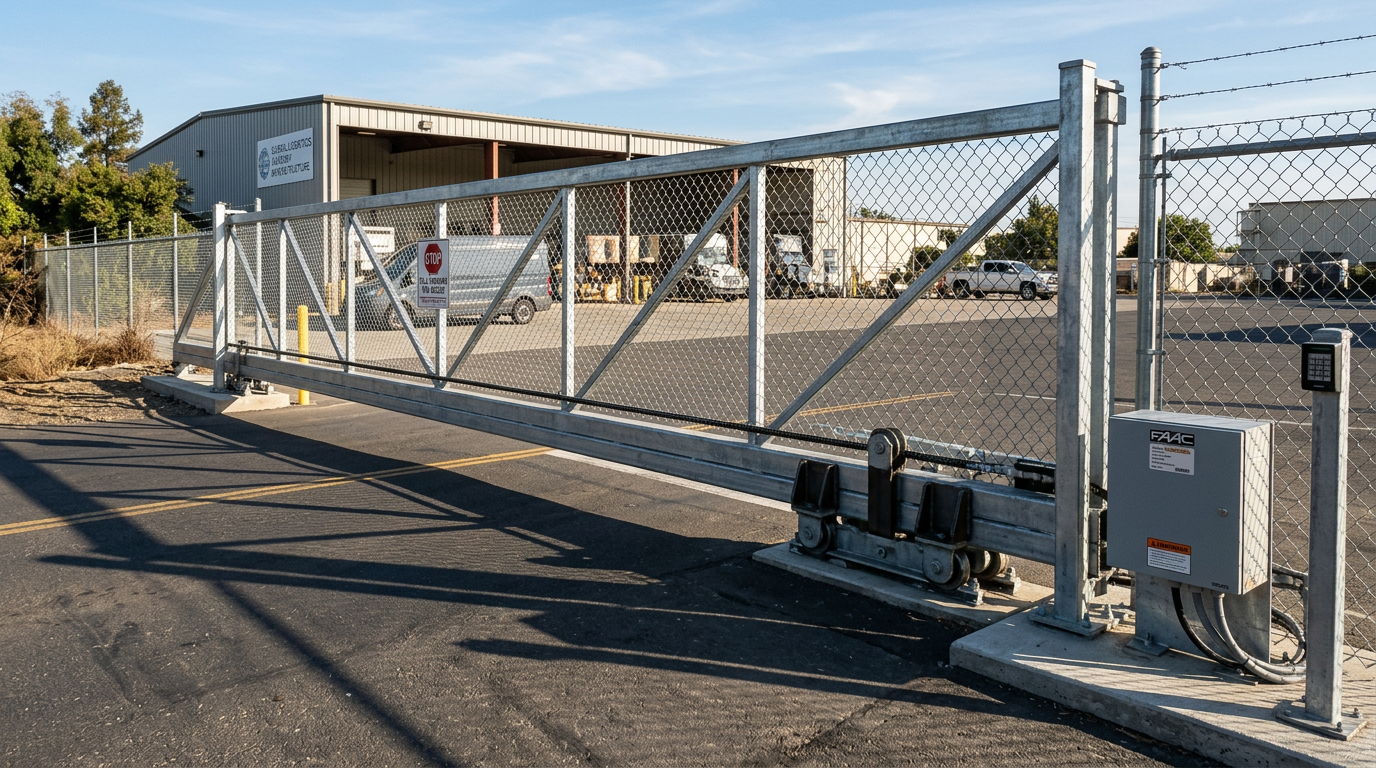
When calculating the total investment for a commercial chain link project, the gate system often represents the most significant variable in the overall budget. While standard walk gates are relatively inexpensive, commercial facilities typically require cantilever slide gates or heavy duty overhead tracks to accommodate large vehicles and freight. These specialized access points can range from $2,000 to over $10,000 depending on the width of the opening and the weight of the steel used. Property managers must account for these hardware costs separately from the linear footage price to ensure an accurate financial forecast. Investing in high quality rollers and tracks at the outset prevents costly maintenance issues and operational downtime in high traffic environments.
Integrating automated security entries further elevates the initial cost but provides long term value through enhanced perimeter control. Modern commercial gates often require keypad access, remote monitoring systems, or vehicle loop detectors to manage employee and visitor traffic efficiently. These electronic components, combined with the professional labor required for wiring and synchronization, can add several thousand dollars to the total project quote. Business owners should also consider the Choosing Between Sliding and Swing Gates for your property to ensure it matches the durability of the rest of the fence line. Choosing a comprehensive automation package during the initial installation phase is generally more cost effective than retrofitting manual gates later.
Key Cost Drivers for Commercial Chain Link
Understanding the complexities of commercial chain link pricing requires a clear view of how material specifications and installation variables impact the bottom line. For property managers and business owners, the primary cost drivers for 2025 and 2026 remain wire gauge thickness, specialized coatings, and the overall height of the perimeter. While residential projects prioritize aesthetics, industrial applications demand heavy-duty steel and reinforced posts that command a higher price point per linear foot. By balancing these structural requirements with your specific security needs, you can ensure a durable solution that protects your assets without exceeding your capital expenditure budget.
Securing a competitive quote for large-scale projects involves more than just looking at the lowest base price. Property managers seeking the best value should focus on bulk-footage discounts and regional labor trends, especially in high-demand markets where installation rates can fluctuate. Obtaining a comprehensive quote that breaks down material costs versus labor provides the transparency needed to make an informed investment. For those managing industrial sites or vast commercial perimeters, prioritizing high-quality galvanized or vinyl-coated steel will offer the best long-term ROI through reduced maintenance and enhanced security.
The most cost-effective approach to perimeter security is through accurate planning and professional consultation. Establishing a clear scope of work before requesting a quote allows for more precise bidding and reduces the likelihood of unexpected surcharges during the installation phase. We recommend that property managers reach out for a detailed bulk-footage estimate to lock in current material rates and schedule project timelines effectively. Taking this proactive step ensures that your facility remains secure while taking full advantage of the economies of scale available for commercial-grade fencing projects. For those with existing automated systems, reviewing an electric gate repair cost guide for 2025 can help in planning for potential maintenance expenses alongside new installations.
Frequently Asked Questions
1. What is the average cost per linear foot for commercial chain link fence installation?
You should budget between $15 and $40 per linear foot for a professional industrial installation. This price range accounts for the heavy duty materials and specialized labor required to secure a commercial perimeter.
2. How do material costs differ from full installation prices?
Sourcing commercial grade materials alone typically costs between $10 and $20 per linear foot. The remaining balance covers professional labor, equipment, and the expertise needed to meet strict safety and security standards.
3. Why is commercial chain link more expensive than residential options?
Commercial projects require industrial grade steel gauges and reinforced terminal posts designed for maximum durability. These premium components provide the high security boundary necessary for business assets, which increases the initial investment compared to standard residential fencing.
4. What factors most significantly impact the total price of my fencing project?
The primary cost drivers are the thickness of the wire gauge and the total height of the fence. Specialized coatings and regional labor shifts also play a major role in determining your final expenditure for 2025 and 2026.
5. Is a thicker wire gauge worth the additional upfront cost?
Investing in a thicker gauge ensures long term security and reduces maintenance needs over the lifecycle of the fence. Choosing reinforced materials helps you avoid frequent repairs, making it a more cost effective solution for high security environments.
6. How should I plan my budget for a 2025 or 2026 security project?
You should prioritize a balance between height and gauge to ensure your boundary meets security requirements without overextending your budget. Factoring in current industrial pricing benchmarks will help you secure an accurate estimate for your procurement process.