
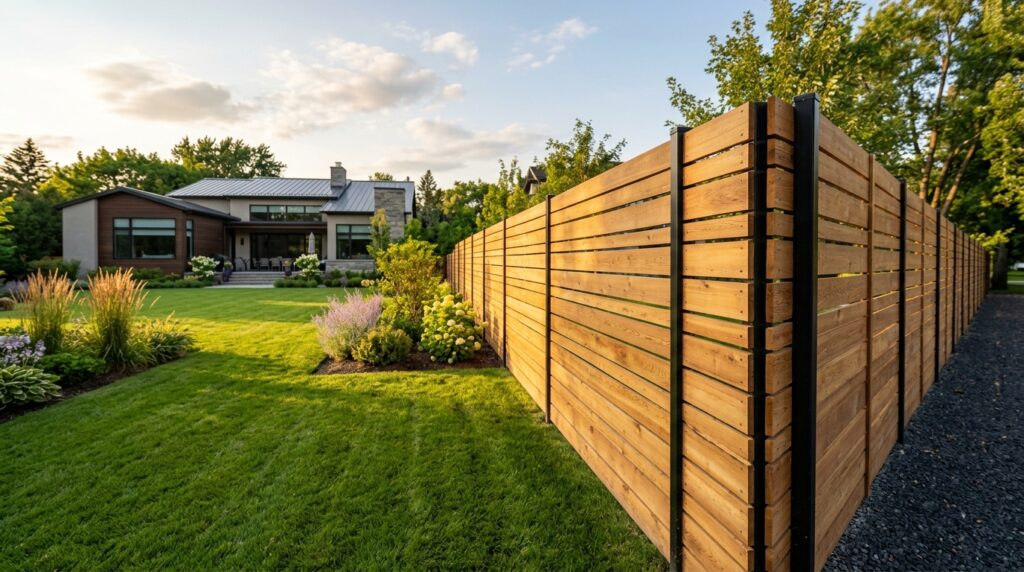
The Ultimate Guide To Horizontal Fence Cost In 2026
A modern, sleek horizontal fence can instantly transform a basic backyard into a high-end outdoor retreat. Achieving that contemporary look requires a specific investment, with the average horizontal fence cost typically ranging from $15 to $45 per linear foot for professional installation. While these designs offer unmatched curb appeal, they demand higher-grade lumber and more intensive labor than traditional vertical styles to ensure the structure remains straight and sag-free over time.
Understanding your budget starts with choosing the right material, as the wood species dictates both the upfront price and the long-term durability of the installation. From budget-friendly pressure-treated pine to luxury tropical hardwoods like Ipe, each option carries a different price tag based on its resistance to warping. By balancing material quality with site conditions, you can achieve a sophisticated aesthetic that enhances your property value without unexpected financial surprises.
Key Takeaways
- Professional installation for a horizontal fence typically costs between $15 and $45 per linear foot, reflecting a premium over vertical styles due to the need for higher-grade lumber and specialized labor.
- Material selection is the primary cost driver, ranging from budget-friendly pressure-treated pine to mid-range cedar and luxury tropical hardwoods like Ipe or maintenance-free composites.
- Horizontal designs require more intensive structural support, including closer post spacing every four to six feet and meticulous leveling to prevent the boards from sagging or warping over time.
- Site conditions such as steep terrain, rocky soil, or the need for custom grading significantly increase labor expenses by requiring specialized excavation and complex framing techniques.
Average Horizontal Fence Cost Per Linear Foot
Current market data indicates that homeowners should expect to pay between $15 and $45 per linear foot for a professionally installed horizontal fence. This modern design commands a premium price point compared to traditional vertical styles because it requires higher-grade lumber and more intensive labor to ensure structural integrity. While pressure-treated pine offers a budget-friendly entry point starting around $15 per linear foot, premium materials like cedar or redwood can easily push costs toward the higher end of the spectrum. Investing in professional installation is often recommended to manage the precise spacing and post-alignment necessary for this specific aesthetic.
For those considering a DIY approach, material costs typically range from $3 to $15 per linear foot depending on the wood species or composite brand selected. Choosing horizontal slats requires careful attention to the grade of wood, as lower-quality boards are more susceptible to sagging and warping over long horizontal spans. Tropical hardwoods like Ipe or high-end composite materials represent the top tier of the market, with installed prices reaching $60 per linear foot or more. Because these fences serve as a significant architectural feature for modern homes, the upfront investment often reflects the increased curb appeal and long-term property value they provide.
Material Selection Impact On Horizontal Fencing Prices
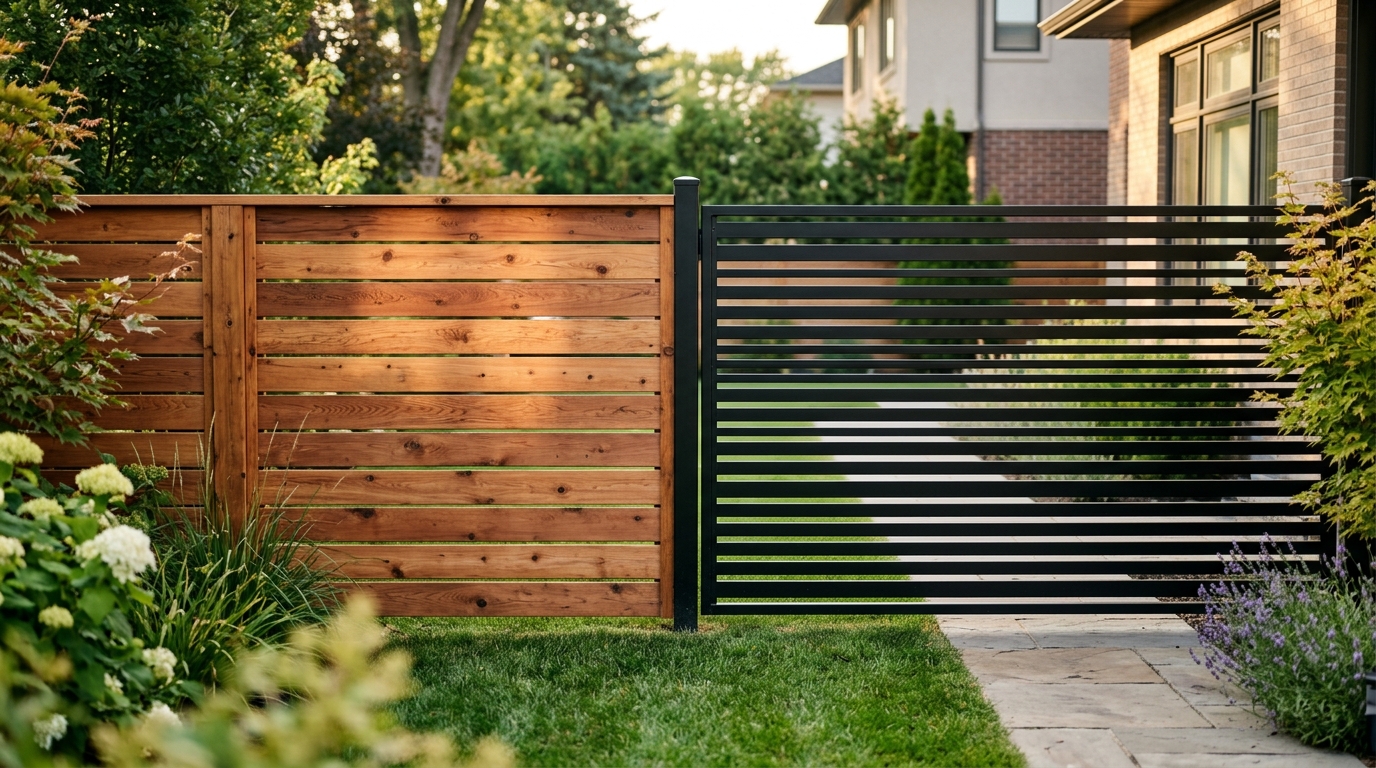
The material you choose is the most significant factor in determining the final quote for a horizontal fence, as this modern style requires higher-grade lumber to maintain its structural integrity. Pressure treated pine serves as the most budget friendly option, typically ranging from $15 to $28 per linear foot when professionally installed. While pine is cost effective, it is more prone to warping over long horizontal spans, which may necessitate shorter sections or additional supports. Homeowners seeking a balance between affordability and durability often turn to cedar, which costs between $25 and $45 per linear foot. Cedar offers natural resistance to decay and insects, making it a premium choice for the clean, contemporary lines that define horizontal designs.
For those prioritizing a high end aesthetic and longevity, composite materials and tropical hardwoods represent the top tier of the pricing spectrum. Composite fencing can range from $35 to $60 per linear foot, offering a maintenance free alternative that mimics the look of natural wood without the risk of sagging or splintering. If you prefer the unmatched density of real wood, tropical hardwoods like Ipe or mahogany start at roughly $45 per linear foot and can increase significantly based on market availability. These dense materials provide a sophisticated, architectural finish that enhances property value but requires a larger initial investment in both materials and specialized labor. Choosing the right wood ensures your horizontal fence remains a stunning focal point rather than a maintenance burden.
Labor Complexity And Structural Support Expenses
The modern aesthetic of a horizontal fence requires significantly more precision and structural integrity than a standard vertical build, which directly influences the installation quote. Because horizontal boards are more susceptible to sagging under their own weight, contractors must install support posts at much closer intervals, typically every four to six feet rather than the standard eight feet. This increased post frequency means more digging, more concrete, and more hardware, effectively doubling the foundational labor in some cases. These structural requirements ensure the fence remains level and true over time, preventing the unsightly bowing that can occur with cheaper, less rigorous installation methods.
Beyond the added post work, the labor costs for horizontal designs are driven by the need for exact alignment and meticulous board spacing. While vertical slats can hide minor grade changes or slight imperfections, a horizontal line must be perfectly level across the entire span to maintain its high end look. Installers must spend extra time measuring and leveling every individual board, often using spacers to ensure uniform gaps for airflow and wood expansion. This level of craftsmanship requires a specialized skill set and more man hours on site, which is why professional installation for these modern styles typically starts at fifteen dollars per linear foot and can scale upward quickly.
Achieving a seamless, high end finish also involves complex framing techniques that are not found in traditional fencing. Contractors often utilize specialized trim pieces or (sandwich) framing to hide the board ends and provide additional stability against warping. These extra steps protect your investment and ensure the fence can withstand environmental stressors, but they also contribute to the overall complexity of the project. When requesting a quote, it is essential to account for these structural nuances, as the longevity of a horizontal fence is entirely dependent on the quality of its internal support system and the precision of its assembly.
Site Conditions And Custom Design Cost Variables
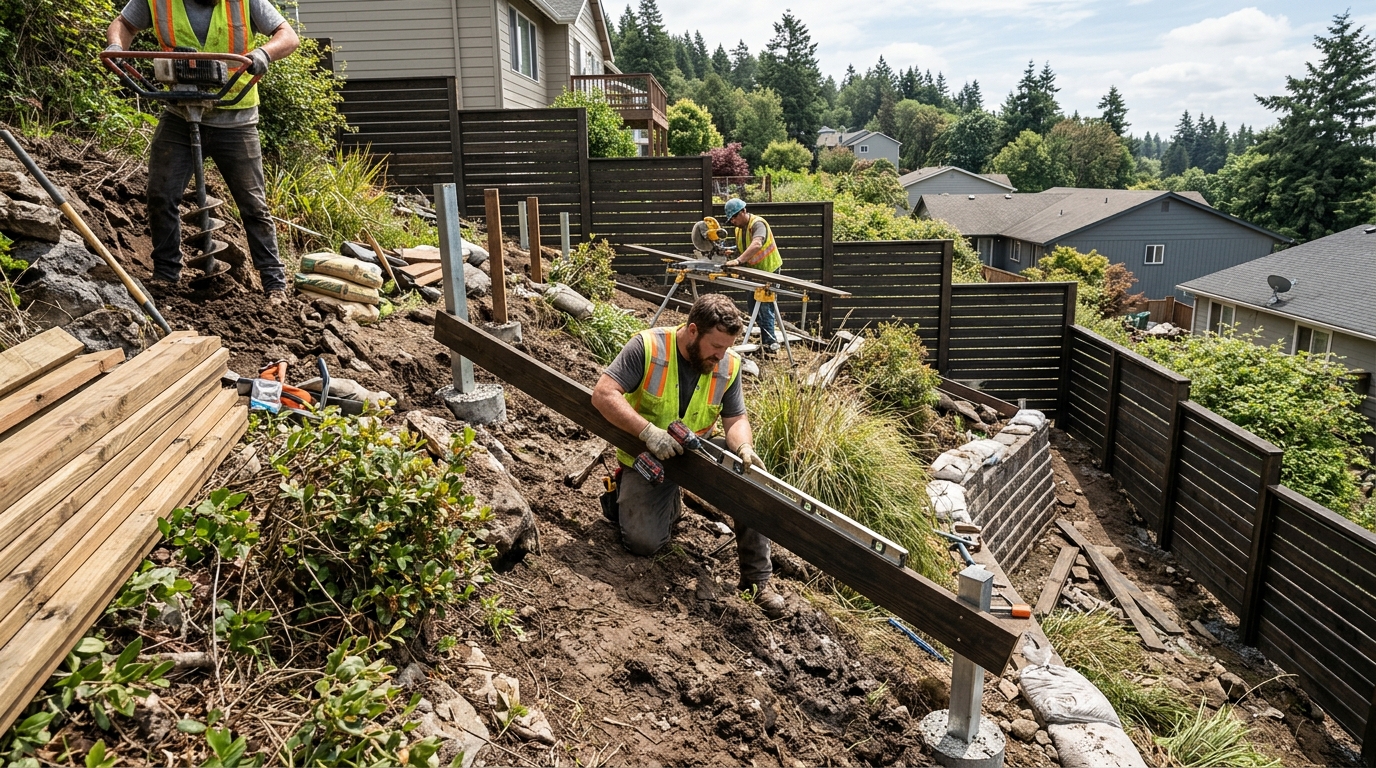
The physical characteristics of your property play a significant role in determining the final quote for a modern horizontal installation. Terrain slope is a primary factor, as horizontal lines must remain perfectly level to maintain their sleek, contemporary aesthetic. If your yard has significant elevation changes, contractors may need to step the fence or custom-cut boards to follow the grade, which adds substantial labor time compared to a standard vertical build. Additionally, the cost of clearing the site can fluctuate based on whether you have an existing structure that requires professional demolition and haul-away services.
Design choices such as decorative gaps or shadowbox configurations also influence the total investment required for your project. While a standard privacy fence uses boards butted against each other, custom spacing requires precise measurements and additional bracing to ensure structural integrity over time. Shadowbox styles, which alternate boards on either side of the rail, offer a unique three dimensional look but demand nearly double the material and labor. These premium design elements are popular for modern homes, yet they require higher-grade lumber to prevent the sagging or warping that can occur with long horizontal spans.
Beyond basic aesthetics, site accessibility and soil composition can create unexpected variables in your budget. If your property has rocky soil or heavy root systems, the labor costs for setting posts will increase due to the specialized equipment or manual effort needed for excavation. Horizontal fences require exceptionally sturdy, deep-set posts to support the weight of the longer boards without leaning. Investing in proper site preparation and high-quality design variations ensures that your fence remains a durable, high-end feature of your home for years to come.
Evaluating the Long-Term Value of Horizontal Fencing
Ultimately, investing in a horizontal fence is about finding the perfect intersection between modern architectural appeal and long term property value. While the initial price point of 15 to 45 dollars per linear foot is higher than traditional vertical options, the boost in curb appeal often justifies the premium for contemporary homeowners. To ensure your investment stands the test of time, prioritize high quality materials like cedar or composite that resist the natural tendency to sag over long horizontal spans. Balancing your aesthetic vision with these structural realities ensures that your fence remains a stunning focal point rather than a maintenance burden.
Achieving a high end look on a realistic budget requires a strategic approach to material selection and professional installation. If your project goals lean toward luxury, tropical hardwoods offer long-term durability, whereas pressure treated pine provides a more accessible entry point for those focused on immediate cost savings. It is essential to obtain detailed quotes that account for the specialized labor required to level and space horizontal slats perfectly. By reviewing a vinyl vs wood cost analysis, you can secure a fence that enhances your home’s modern silhouette while respecting your financial boundaries.
Frequently Asked Questions
1. What is the average cost per linear foot for a horizontal fence?
You should expect to pay between $15 and $45 per linear foot for a professionally installed horizontal fence cost. This price range accounts for the higher grade of lumber and the specialized labor required to ensure the boards remain straight and level.
2. Why does a horizontal fence cost more than a traditional vertical fence?
Horizontal designs require premium lumber that is less prone to warping and sagging, which naturally increases the material price. Additionally, the installation process is more labor intensive because contractors must achieve precise post alignment and spacing to maintain the modern aesthetic.
3. How much can I save by installing a horizontal fence myself?
If you choose a DIY approach, your material costs will typically range from $3 to $15 per linear foot depending on your choice of wood or composite. However, you must be prepared for a complex project that requires exact measurements to prevent the long boards from sagging over time.
4. Which wood species is best for balancing cost and durability?
Pressure treated pine is your most budget friendly option, starting at approximately $15 per linear foot installed. For a balance of longevity and beauty, cedar and redwood are excellent mid range choices, while tropical hardwoods like Ipe represent the luxury end of the market.
5. Does the choice of material affect the long term cost of the fence?
Selecting a higher grade material upfront reduces your long term expenses by minimizing the risk of warping and structural failure. While budget woods save money today, premium species like cedar or Ipe offer better resistance to the elements and require less frequent repairs.
6. What factors influence the final price of professional installation?
Your total investment depends on the wood species you select, the total linear footage, and your specific site conditions. Labor costs may also increase if your property has uneven terrain that requires custom stepping or grading to keep the horizontal lines level.