
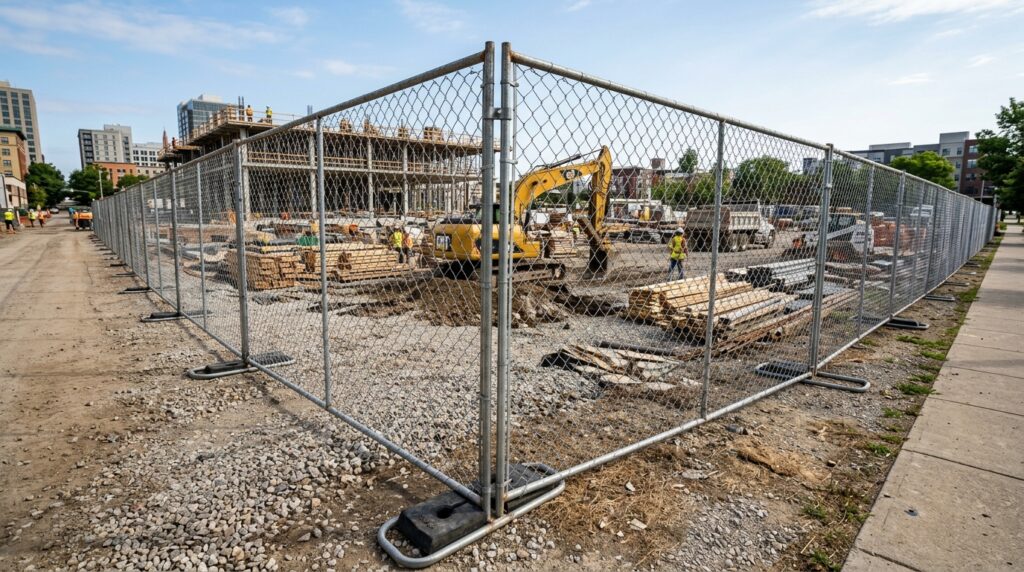
The Contractor’s Guide To Temporary Construction Fence Rental For Site Security
In a fast-paced building environment, a secure perimeter is the first line of defense against liability and project delays. Securing a temporary construction fence rental has become a non-negotiable step for contractors managing stricter safety regulations and rising equipment theft in urban centers. Beyond mere compliance with OSHA 29 CFR 1926.502, these barriers serve as a vital shield for your investment and the public alike.
Modern site management requires a strategic approach to perimeter security that balances cost-effectiveness with maximum protection. Whether you are deploying high-visibility safety mesh or heavy-duty steel barricades, the right fencing solution streamlines logistics and prevents unauthorized access. Understanding current market rates and material options ensures your project remains both secure and within budget from groundbreaking to completion.
Key Takeaways
- Temporary construction fencing is a non-negotiable requirement for OSHA 29 CFR 1926.502 compliance, serving as a vital barrier for fall prevention and public safety.
- Strategic perimeter security acts as the primary defense against rising equipment theft and liability claims, preventing costly project delays and insurance premium spikes.
- Contractors must choose between cost-effective standard chain link panels for low-risk sites and high-security anti-climb mesh to deter intruders in high-traffic urban corridors.
- Effective site logistics require mapping out specific entry points and vehicle gates within the fencing layout to prevent bottlenecks and separate pedestrian traffic from heavy machinery.
Navigating OSHA Compliance And Perimeter Safety Regulations
Adhering to OSHA 29 CFR 1926.502 is a requirement for modern contractors who prioritize both legal compliance and job site integrity. Temporary construction fence rentals provide a robust physical barrier that satisfies federal mandates for perimeter protection and fall prevention. By implementing professional-grade chain link panels or steel barricades, developers can effectively mitigate the risk of unauthorized entry and potential worker injuries. These systems are specifically engineered to withstand environmental pressures while maintaining a clear boundary between the public and hazardous work zones. Investing in high-quality fencing ensures that your project meets every regulatory benchmark from day one.
The evolution of site management in high-growth urban areas has made perimeter security more complex than simple boundary marking. Modern temporary fencing acts as a first line of defense against equipment theft and liability claims, which is essential for maintaining project timelines and budgets. Utilizing standard chain link panels or specialized steel barricades allows for a customizable security footprint that adapts to the specific topography of a construction site. These rental solutions are often more cost-effective than permanent installations, providing the flexibility needed for multi-phase developments. Contractors who prioritize these safety regulations often see fewer site disruptions and lower insurance premiums over the life of a project.
Integrating compliant fencing solutions into your mobilization plan is a strategic move for any high-volume developer or general contractor. Whether you are deploying orange safety mesh for low-risk zones or heavy-duty steel panels for high-traffic urban corridors, the goal remains the same: total site control. Professional rental services ensure that all components, from the weighted stands to the privacy screening, meet the rigorous standards set by safety inspectors. By delegating this critical infrastructure to experienced providers, site managers can focus on construction milestones rather than regulatory hurdles. Reliable perimeter protection ultimately serves as the foundation for a safe, secure, and productive work environment.
Comparing Chain Link Panels And Anti-Climb Security Options
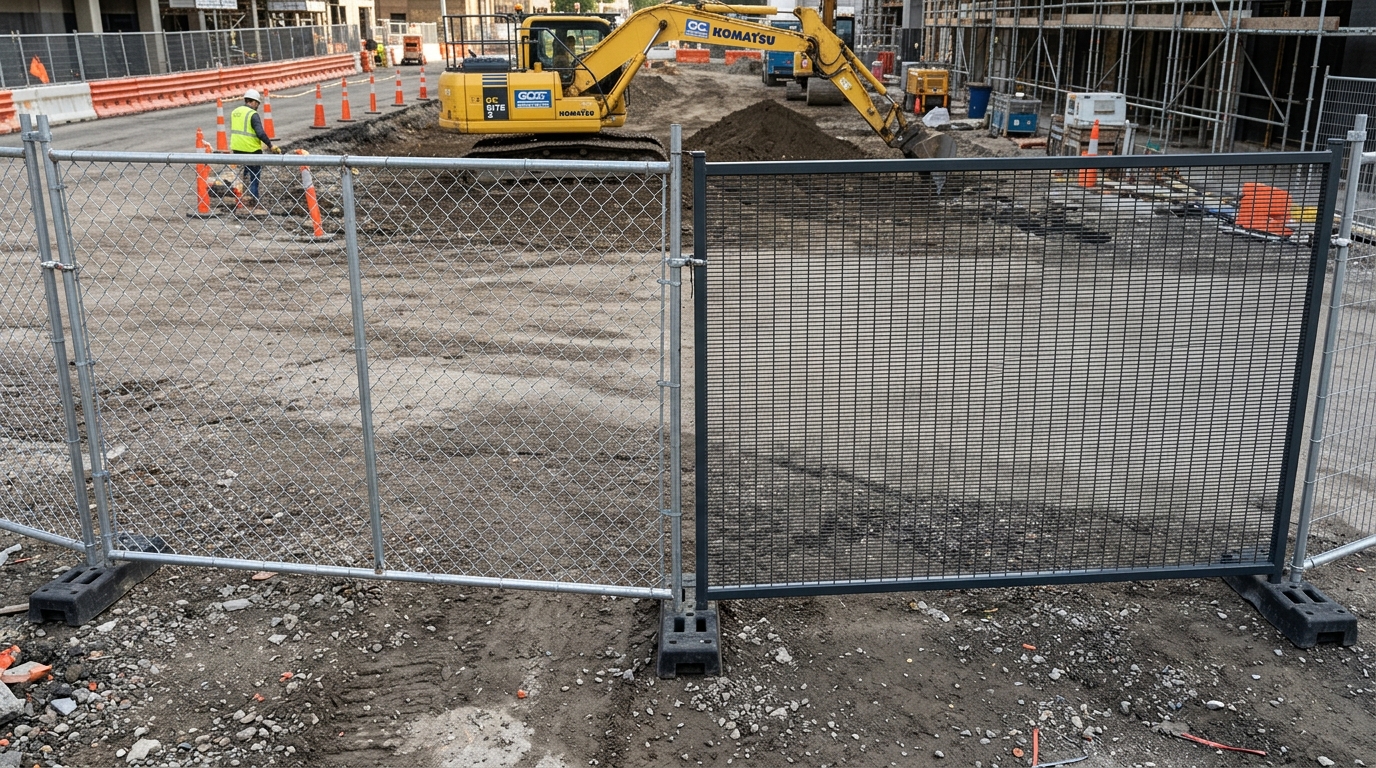
Standard 6×12 chain link panels remain the industry workhorse for contractors who need a reliable, cost-effective boundary for their job sites. These modular units are prized for their versatility and ease of installation, allowing crews to secure a perimeter quickly as project demands shift. While they provide a clear physical barrier and meet basic safety requirements, their open weave design can still be vulnerable to determined intruders or persistent climbing. For many residential or low-risk commercial builds, these panels offer the perfect balance of budget-friendliness and essential site containment.
High-growth urban areas often require a more robust approach to perimeter security due to increased foot traffic and the risk of high-value equipment theft. Anti-climb security options utilize a dense, heavy-duty mesh that eliminates the handholds and footholds found in traditional chain link designs. This specialized fencing is specifically engineered to deter unauthorized access, making it nearly impossible for intruders to scale the barrier without specialized tools. By investing in these high-security materials, developers can significantly reduce the likelihood of site vandalism and costly project delays.
Choosing between these two rental options depends largely on the specific risk profile and location of your construction project. While standard chain link panels are typically more affordable, the added cost of anti-climb mesh serves as a proactive insurance policy against the rising rates of urban construction theft. Modern site management demands a strategic evaluation of these materials to ensure full compliance with evolving safety regulations and local ordinances. Selecting the right fence type ensures that your site remains both secure and professional, protecting your bottom line from start to finish.
Budgeting For Monthly Linear Foot Rental Rates And Service Fees
Estimating costs for large scale developments requires a precise understanding of how linear foot rates interact with project duration and site complexity. For high volume perimeter security, standard chain link panels typically range from $2.00 to $4.00 per linear foot each month, though bulk discounts often apply to expansive job sites. Developers must account for these recurring monthly expenses as a fixed line item to ensure compliance with modern safety regulations and theft prevention standards. Budgeting for the total footage is only the first step, as the specific panel dimensions and material durability will directly influence the final monthly invoice.
Beyond the base rental rate, contractors must factor in essential service fees that cover the logistical lifecycle of the fencing. Flat rate charges for delivery, professional installation, and eventual removal can vary significantly based on the proximity of the site and the difficulty of the terrain. These one time fees are critical for ensuring that the perimeter is structurally sound and meets OSHA requirements from day one. By prioritizing a transparent fee structure, project managers can avoid hidden costs and ensure that the site remains secure without unexpected budgetary spikes during the construction phases.
Strategic planning for long term rentals often involves balancing the per panel cost against the efficiency of professional setup services. While orange safety mesh offers a lower price point for internal zoning, standard steel panels or barricades provide the necessary durability for external boundaries in high growth urban areas. Modern pricing models emphasize the value of unified entry security that bundles maintenance with the initial setup. Investing in high quality temporary fencing not only protects valuable equipment from theft but also minimizes liability risks, making the rental fee a vital component of a successful development strategy.
Strategic Placement For High-Volume Site Logistics And Access Control
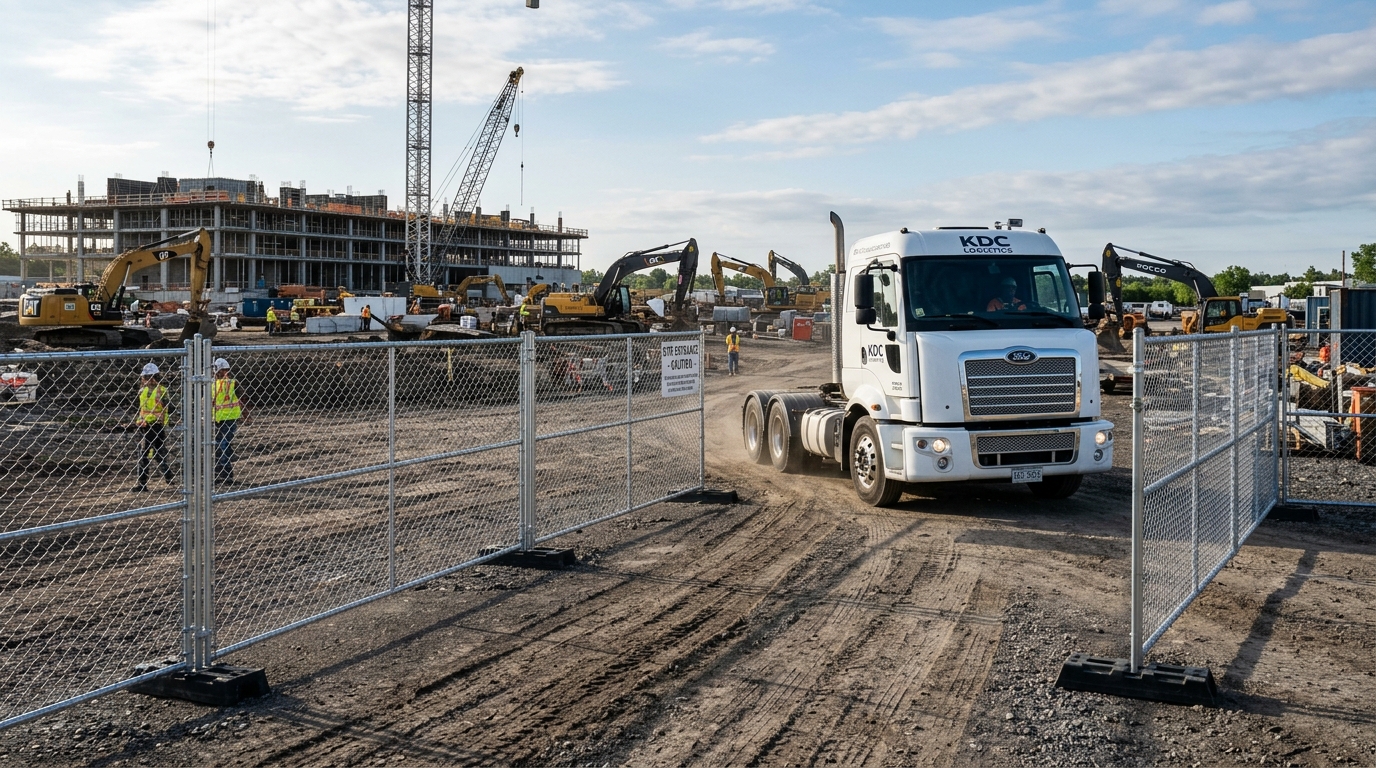
Optimizing the layout of a temporary fence rental is a critical component of high-volume site logistics that directly impacts project timelines. For contractors managing large-scale developments, strategic placement ensures that heavy equipment can move seamlessly between work zones without compromising the overall security of the perimeter. By mapping out specific entry and exit points before installation, developers can prevent bottlenecks that often occur during peak delivery hours. This proactive approach to site management minimizes downtime and keeps the workflow consistent across the entire job site. Utilizing professional-grade fencing allows for a customizable footprint that adapts to the evolving needs of a multi-phase construction project.
Access control is further enhanced through the integration of specialized pedestrian and vehicle gates within the temporary fencing system. These integrated access points allow site managers to enforce strict safety protocols and verify credentials for every individual entering the restricted area. Strategically placing these gates helps separate foot traffic from heavy machinery lanes, which is essential for maintaining compliance with OSHA safety regulations regarding site separation. In high-growth urban environments, these secure barriers serve as the first line of defense against unauthorized entry and equipment theft. Effective gate placement ensures that security remains tight while still providing the necessary flexibility for large-scale logistics.
Modern temporary fencing solutions provide the durability required to withstand the rigors of a busy construction environment while remaining easy to reconfigure as the site expands. Selecting the right fence type, such as standard chain link panels or steel barricades, allows for a tailored security profile that matches the specific risk level of the location. With monthly rental costs for standard panels remaining a cost-effective investment, developers can prioritize high-quality perimeter protection without straining the 2025 security budgets. This strategic investment in site infrastructure not only protects valuable assets but also demonstrates a commitment to public safety and professional site standards. Professional installation ensures that the fencing remains stable and effective throughout the duration of the heavy-duty construction phase.
Maximizing Project Efficiency Through Strategic Fence Rentals
Securing a reliable temporary construction fence rental is a strategic decision that directly impacts both the project timeline and the bottom line. For contractors and developers managing high volume job sites, the right rental partner provides more than just physical barriers by offering logistical support that ensures perimeter security is established before the first shovel hits the ground. By outsourcing this critical infrastructure, firms can avoid the significant capital expenditure of purchasing and storing equipment, instead opting for a scalable solution that adapts to the specific linear footage of each phase. This approach maintains project continuity by preventing unauthorized access and ensuring that site operations remain compliant with evolving safety standards.
Protecting a project from liability and theft requires a proactive investment in high quality fencing solutions that meet modern regulatory requirements. Choosing a partner that understands the nuances of local site management allows developers to mitigate risks associated with trespassing and workplace accidents. Whether utilizing standard chain link panels or heavy duty steel barricades, these rentals serve as a primary defense against the financial losses caused by equipment theft or legal disputes. Ultimately, a well executed fencing strategy provides peace of mind by safeguarding assets and ensuring the safety of both the public and the construction crew throughout the duration of the build.
Frequently Asked Questions
1. Why is temporary fencing necessary for OSHA compliance?
Temporary fencing satisfies federal mandates under OSHA 29 CFR 1926.502 by providing a robust physical barrier for perimeter protection and fall prevention. These systems are engineered to maintain a clear boundary between the public and hazardous work zones, ensuring your project meets every regulatory benchmark.
2. How does a secure perimeter prevent project delays?
A secure fence acts as your first line of defense against equipment theft and unauthorized access, which are primary causes of costly work stoppages. By keeping your site secure, you protect your investment and ensure that logistics remain streamlined from groundbreaking to completion.
3. What types of materials are available for temporary construction fences?
You can choose from a variety of materials including high visibility safety mesh, professional grade chain link panels, or heavy duty steel barricades. The right selection depends on your specific needs for site security, environmental pressures, and budget constraints.
4. Can temporary fencing help reduce liability claims?
Yes, installing professional grade barriers effectively mitigates the risk of unauthorized entry and potential injuries to the public. This strategic approach to site management shields you from legal vulnerabilities and helps maintain the integrity of your job site.
5. Is temporary fencing suitable for high growth urban centers?
Modern fencing solutions are specifically designed for the complexities of urban site management where rising equipment theft is a major concern. These barriers provide a necessary shield for your investment in fast paced building environments where space and security are at a premium.
6. How do I balance the cost of fencing with site security needs?
You should focus on a strategic approach that balances cost effectiveness with maximum protection by selecting materials that match your project risk profile. Understanding current market rates and material options allows you to keep your project secure while remaining within your established budget.