
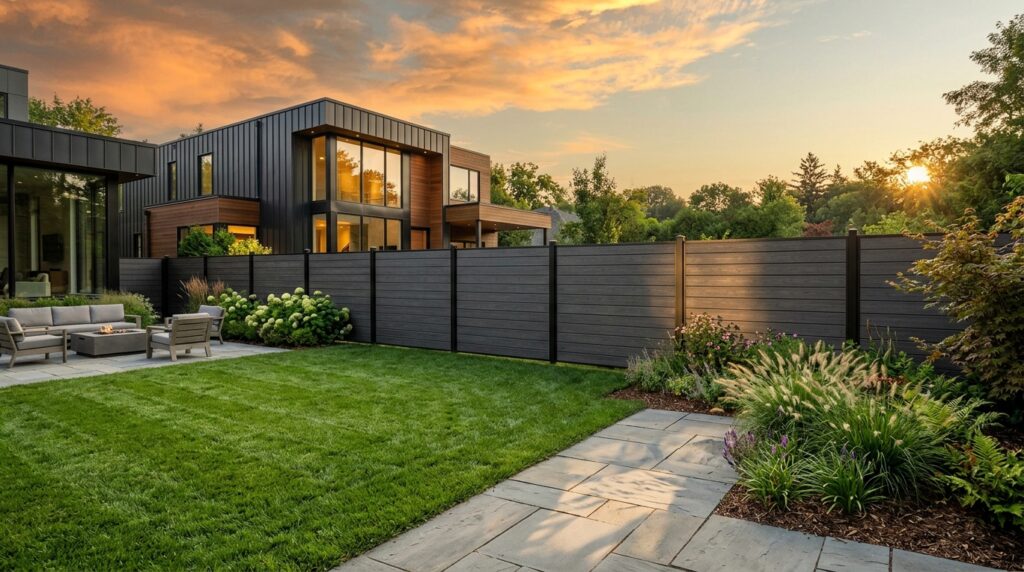
Why Composite Fencing Is The Premium Choice For Modern Homeowners
Homeowners seeking the perfect balance between natural beauty and modern resilience are increasingly turning to a blend of recycled wood and high-performance polymers. Choosing the right perimeter for your property requires a careful look at composite fencing pros and cons to determine if the long-term benefits outweigh the initial investment. As architectural trends shift toward sustainable, high-end aesthetics, this material stands out as a sophisticated alternative to traditional timber and vinyl.
While the appeal of a rot-resistant fence is undeniable, the decision involves more than just picking a color. You must weigh the impressive 30-year lifespan and eco-friendly footprint against factors like thermal expansion and upfront costs. Understanding these trade-offs ensures your outdoor space remains both both functional and visually striking for decades to come.
Key Takeaways
- Composite fencing offers a superior long-term return on investment by eliminating the recurring costs of staining, sealing, and repairing traditional wood over its 30-year lifespan.
- Advanced engineering using recycled wood fibers and polymers makes these materials immune to rot, warping, and insect damage, requiring only an occasional wash to maintain a high-end aesthetic.
- Professional installation is essential to manage the material’s significant weight and to implement precise spacing that accounts for natural thermal expansion and contraction.
- Capped composite fencing provides a sustainable, eco-friendly landscape solution by utilizing 90-95% recycled materials while offering the sophisticated look of natural wood grain without the physical defects.
Long-Term Durability Versus High Initial Investment
Investing in composite fencing requires a significant upfront financial commitment that often doubles or triples the cost of traditional pressure treated lumber. For high budget homeowners, this initial price point represents a strategic shift from temporary solutions to a permanent architectural asset. These premium materials utilize a sophisticated blend of recycled wood fibers and plastic polymers to create a dense, resilient barrier. While the sticker price might seem daunting at first glance, it covers the engineering costs of a product designed to withstand environmental stressors that typically destroy natural wood. Choosing this path ensures that your property value is protected by a high end aesthetic that will not warp or splinter over time.
The true value of composite materials becomes clear when you calculate the total cost of ownership over a thirty year period. Traditional wood fences demand a relentless cycle of power washing, staining, and sealing every few years to prevent rot and insect damage. These recurring maintenance expenses, combined with the inevitable need for board replacements, quickly surpass the one time investment of a composite system. Because composite fencing is virtually maintenance free, you save thousands of dollars in labor and material costs while gaining back countless hours of your personal time. This long term financial advantage makes it the superior choice for those who prioritize efficiency and lasting quality.
Beyond the financial trade off, modern capped composite fencing offers a level of durability that traditional materials simply cannot match. These advanced boards are engineered to resist decay and fading, ensuring that your perimeter looks as pristine in a decade as it did on the day of installation. While natural wood begins to gray and crack within a few seasons, high performance composites maintain their structural integrity and rich color profile. This reliability provides peace of mind, as the fence serves as a sustainable and eco friendly solution that does not require chemical treatments. For the discerning property owner, the premium upfront cost is a small price to pay for three decades of beauty and structural performance.
Low Maintenance Benefits And Resistance To Environmental Decay
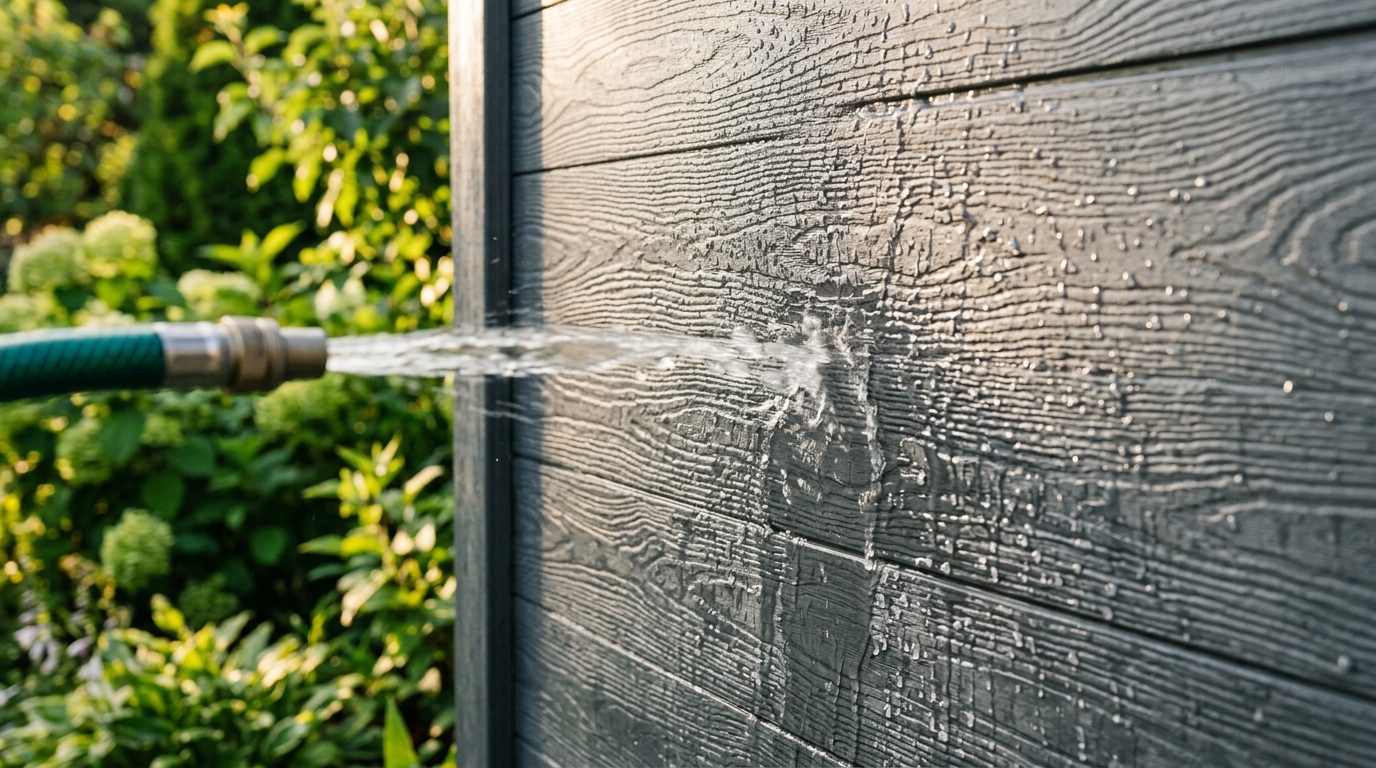
Composite fencing represents a significant evolution in outdoor architecture, specifically engineered to solve the inherent vulnerabilities of traditional timber. By fusing recycled wood fibers with high density plastic polymers, manufacturers have created a material that is virtually immune to the biological threats that plague standard fences. This sophisticated blend ensures that moisture cannot penetrate the core, effectively eliminating the risk of rot, warping, or structural decay over time. Property owners no longer need to worry about termite infestations or fungal growth, as the synthetic components provide a permanent barrier against pests. Investing in this premium material means securing a perimeter that maintains its structural integrity for decades without the degradation typical of organic wood.
The most compelling advantage for high end homeowners is the liberation from the grueling cycle of seasonal maintenance. Unlike natural wood which requires frequent sanding, staining, and sealing to prevent weathering, composite boards arrive with deep, integrated pigments that are designed to last. This eliminates the recurring costs of professional painting services and the labor intensive upkeep associated with preserving a luxury aesthetic. A simple occasional wash with soap and water is generally all that is required to keep the surface looking pristine and vibrant. By removing the need for chemical treatments and protective coatings, composite fencing offers a sophisticated solution that prioritizes both long term value and effortless elegance.
Beyond its physical resilience, modern capped composite technology provides an added layer of protection against the harsh elements of the environment. These advanced materials are designed to withstand intense UV exposure and extreme temperature fluctuations without the splintering or cracking often seen in lower quality alternatives. The result is a consistent, high performance barrier that mirrors the warmth of natural grain while offering the durability of industrial grade polymers. This stability makes it an ideal choice for those who view their landscaping as a long term investment in their property value. Choosing a high performance composite system ensures that your outdoor space remains a beautiful, hassle free sanctuary for twenty five years or more.
Thermal Expansion Challenges And Structural Weight Considerations
Thermal expansion represents a significant technical consideration for homeowners investing in high end composite fencing systems. Because these boards are engineered with a blend of wood fibers and plastic polymers, they naturally expand and contract as ambient temperatures fluctuate throughout the day. If a fence is installed without precise spacing gaps, the material may buckle or warp during the peak heat of summer. Premium installations account for this thermal expansion by using specialized hidden fasteners and expansion joints that allow the boards to breathe without compromising the structural integrity of the perimeter.
The substantial weight of composite materials further necessitates a professional approach to design and structural support. Unlike lightweight vinyl or traditional cedar, composite boards are exceptionally dense and often weigh twice as much as their pressure treated counterparts. This increased mass requires deeper post holes, reinforced concrete footings, and heavy duty hardware to prevent the fence from sagging or leaning over time. While the weight is a testament to the material’s long term durability and wind resistance, it makes DIY installation particularly labor intensive and physically demanding for those without specialized equipment.
Choosing a professional installation team ensures that these technical nuances are handled with the expertise required for a luxury outdoor investment. Expert installers understand how to calculate the exact clearance needed based on regional climate data to prevent thermal distortion. They also possess the tools necessary to manage the heavy material safely, ensuring that every post is perfectly plumb and every panel is securely anchored. By prioritizing professional oversight, property owners can enjoy the low maintenance benefits of composite fencing while avoiding the common structural pitfalls associated with improper handling.
Sustainable Manufacturing And Modern Aesthetic Appeal
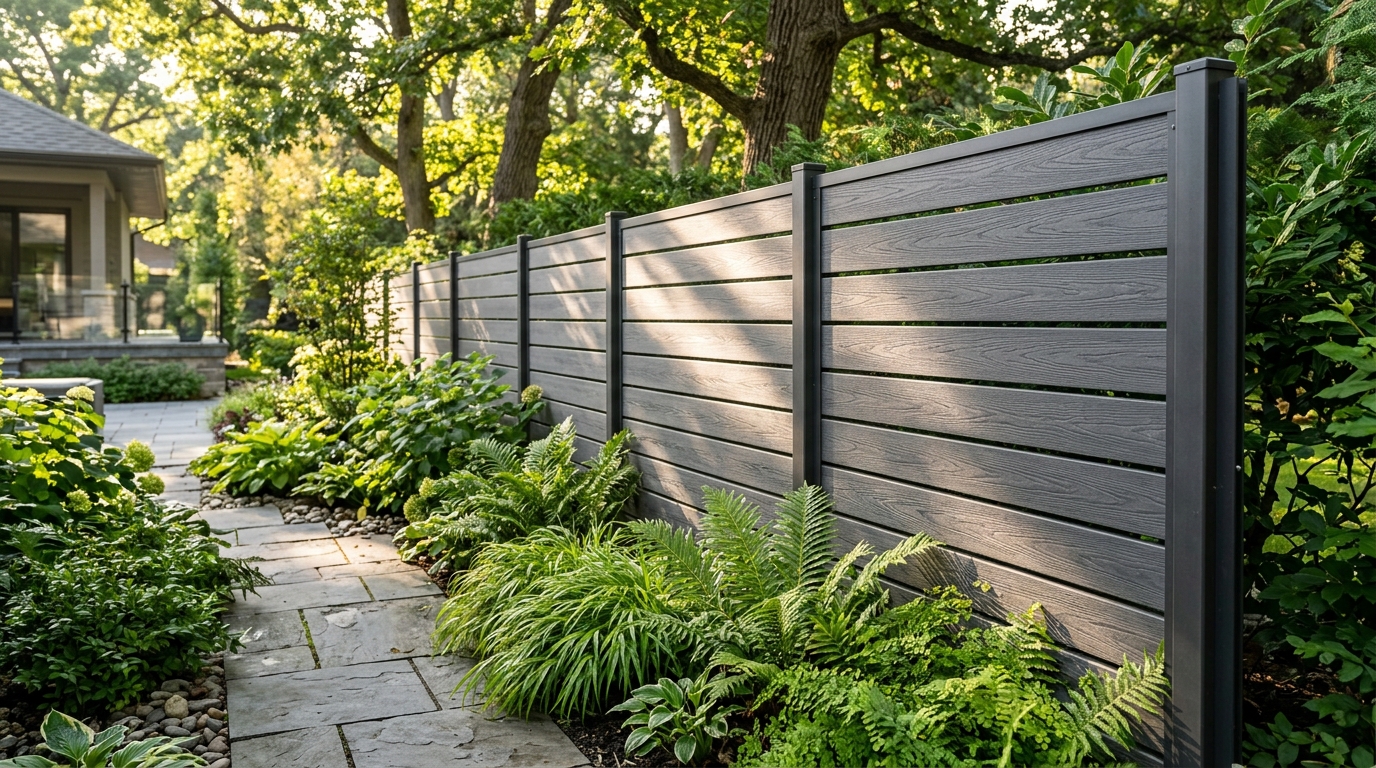
Capped composite fencing represents the pinnacle of sustainable luxury for homeowners who prioritize environmental responsibility alongside high end design. These premium boards are typically engineered from ninety to ninety five percent recycled materials, repurposing wood fibers and plastic polymers that would otherwise contribute to landfill waste. By choosing this material, property owners invest in a product that reduces the demand for virgin timber while offering a lifespan that far exceeds traditional wood alternatives. The manufacturing process creates a dense, durable core that is shielded by a protective outer layer, ensuring the fence remains a permanent fixture of the landscape for decades.
The visual appeal of modern composite fencing is specifically tailored for high budget landscape projects that require a sophisticated, natural aesthetic. Unlike the glossy or artificial appearance of standard vinyl, capped composites feature deep embossed wood grain textures and multi tonal color palettes that mimic the organic beauty of exotic hardwoods. This architectural versatility allows designers to create seamless transitions between outdoor living spaces and the surrounding environment, providing a polished look that enhances property value. While the initial investment is higher than pressure treated vs cedar lumber, the absence of lifelong costs for staining or sealing makes it a superior choice for those seeking a maintenance free lifestyle.
Beyond its striking appearance, the structural integrity of these materials provides a level of performance that justifies the premium price point for discerning clients. The advanced capping technology offers unparalleled resistance to fading, moisture, and insect damage, maintaining its rich hue even under intense ultraviolet exposure. Because the material does not warp, rot, or splinter like natural wood, the clean lines of the original installation remain crisp and uniform over time. This combination of eco friendly engineering and refined elegance ensures that the landscape remains both beautiful and functional without the need for constant labor or chemical treatments.
Weighing the Long-Term Benefits of Composite Fencing
Deciding between composite fencing and traditional materials often comes down to how you value your time and long term property investment. While the initial cost of composite is significantly higher than pressure treated wood, the lack of ongoing maintenance expenses creates a compelling financial case over the next two decades. Homeowners who choose this premium material can skip the labor intensive cycles of sanding, staining, and sealing that wood requires. This makes composite an ideal choice for busy individuals who want a high end architectural look without the burden of constant upkeep. The durability of these boards ensures that your perimeter remains structural and attractive for twenty five to thirty years or more.
The environmental benefits and structural resilience of composite materials offer peace of mind that justifies the premium price tag. Because these fences are typically crafted from recycled wood fibers and plastic polymers, they represent a sustainable choice for the eco conscious property owner. You will not have to worry about the common pitfalls of organic materials, such as rot, insect infestations, or warping from moisture. While you must account for thermal expansion during the professional installation process, the resulting fence provides a sturdy and private barrier that mimics natural grain. Investing in a capped composite product ensures your property maintains its curb appeal and resale value with minimal effort.
Ultimately, composite fencing is a strategic upgrade for those who prioritize permanent quality and sophisticated aesthetics. If your goal is to enhance your landscape with a product that withstands the elements while remaining eco friendly, the long term value is undeniable. The higher upfront investment acts as a pre payment for decades of weekends saved from manual labor and repair costs. By weighing the superior lifespan and low maintenance requirements against the initial budget, you can determine if this modern material aligns with your vision for a beautiful and functional home. This material remains the gold standard for homeowners seeking a permanent solution to their privacy and security needs.
Frequently Asked Questions
1. Is composite fencing worth the higher upfront cost compared to wood?
While the initial investment for composite fencing can be double or triple that of pressure treated lumber, it functions as a permanent architectural asset rather than a temporary fix. You will save significant money over time by eliminating the need for expensive stains, sealers, and structural repairs. The long-term value lies in a thirty year lifespan that protects your property value without recurring maintenance expenses.
2. How much maintenance does a composite fence actually require?
Composite fencing offers a low-maintenance solution for your property. Unlike traditional timber, these materials are rot resistant and immune to insect damage, meaning you will never have to power wash or reseal the panels. A simple occasional rinse with a garden hose is typically all that is needed to keep the high end aesthetic looking pristine.
3. Will the color of my composite fence fade over time?
Modern composite materials are engineered with high performance polymers that provide exceptional UV resistance. While natural wood turns grey within a few seasons, composite fencing maintains its rich color and sophisticated appearance for decades. This ensures your outdoor space remains visually striking without the need for constant repainting.
4. Is composite fencing an environmentally friendly choice?
Choosing composite fencing is a sustainable decision because the panels are crafted from a blend of recycled wood fibers and plastic polymers. By opting for this material, you are reducing the demand for new lumber and diverting plastic waste from landfills. The extreme durability of the product also means fewer resources are consumed for replacements over the life of your home.
5. How does composite fencing handle extreme weather conditions?
Composite fencing is specifically designed to withstand environmental stressors that typically cause natural wood to warp or splinter. While you should account for slight thermal expansion during temperature swings, the dense material remains structurally sound in various climates. Its resilience against moisture makes it an ideal choice for areas prone to rain or high humidity.
6. Does composite fencing look like real wood?
Composite fencing provides a sophisticated alternative to timber by mimicking the natural beauty of wood grain while offering a more refined finish. You get the high end aesthetic of premium wood without the physical defects like knots, splinters, or decay. This balance of natural appearance and modern resilience creates a polished look for any contemporary landscape. For a deeper look at how different materials compare, you can review a vinyl vs wood cost analysis to see which option fits your long-term goals.