
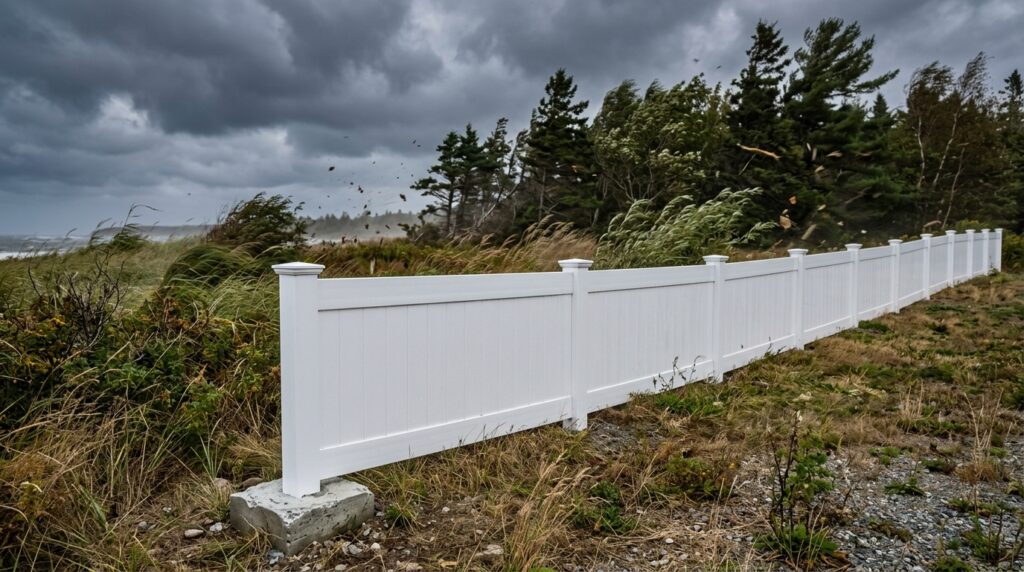
Is A Vinyl Fence Worth It For High Wind Areas
When high-velocity gusts sweep through your neighborhood, the last thing you want to see is your investment leaning or shattered across the lawn. Achieving maximum vinyl fence wind resistance is no longer a matter of guesswork; it is a result of modern engineering and precision installation. High-performance fencing systems are designed to meet rigorous coastal standards, offering homeowners peace of mind even in the face of severe weather.
Homeowners today need more than just aesthetic appeal; they require structures that can withstand sustained pressure without buckling. While standard residential grades handle moderate storms, advanced hurricane-rated systems are now engineered to endure wind speeds exceeding 110 mph. Understanding the specific ratings and structural thresholds of these materials is the key to ensuring your perimeter remains standing when the clouds turn gray.
Key Takeaways
- Standard residential vinyl fences often fail at speeds between 60 and 80 mph, making hurricane-rated systems engineered for 110 to 130 mph essential for coastal and high-wind regions.
- Structural integrity depends on minimizing the ‘sail effect’ through the use of louvered slats for airflow and interlocking tongue-and-groove panels that distribute wind energy evenly.
- Maximum wind resistance requires professional installation techniques, including deep-set concrete footings and internal aluminum or steel post reinforcements to prevent buckling at the base.
- Investing in high-performance synthetic materials provides superior long-term value over wood because vinyl maintains its structural integrity without rotting or weakening in harsh environments.
Comparing Residential Grade Versus Hurricane Rated Vinyl
Homeowners living in coastal or high wind regions must understand that standard residential vinyl is often only rated for speeds between 60 and 80 mph. While this grade is suitable for inland areas with moderate weather, these hollow posts frequently reach their failure threshold during a significant storm. At these speeds, the lack of internal reinforcement causes the vinyl to kink or buckle at the base where the stress is most concentrated. Choosing the wrong grade can result in a total system failure that requires a complete and costly replacement after a single season.
Hurricane rated vinyl systems represent a significant upgrade in engineering, offering protection against sustained winds of 110 to 130 mph. These high performance fences are designed to meet stringent building codes by utilizing thicker walls and specialized interlocking mechanisms that prevent panels from blowing out. The investment in hurricane grade materials ensures that your property remains secure even during Category 2 or 3 weather events. By prioritizing these advanced specifications, you transition from a decorative barrier to a structural asset that protects your property.
Professional installation is the final piece of the puzzle when securing a vinyl fence against extreme wind loads. Even the highest rated materials can fail if the posts are not anchored with deep concrete footings or reinforced with internal aluminum inserts. Modern techniques allow these synthetic materials to flex slightly under pressure, which actually helps them dissipate energy better than rigid wood fences. When you combine commercial grade materials with expert mounting strategies, you create a durable perimeter that justifies the initial cost through years of maintenance free performance.
Engineering Techniques To Minimize The Sail Effect
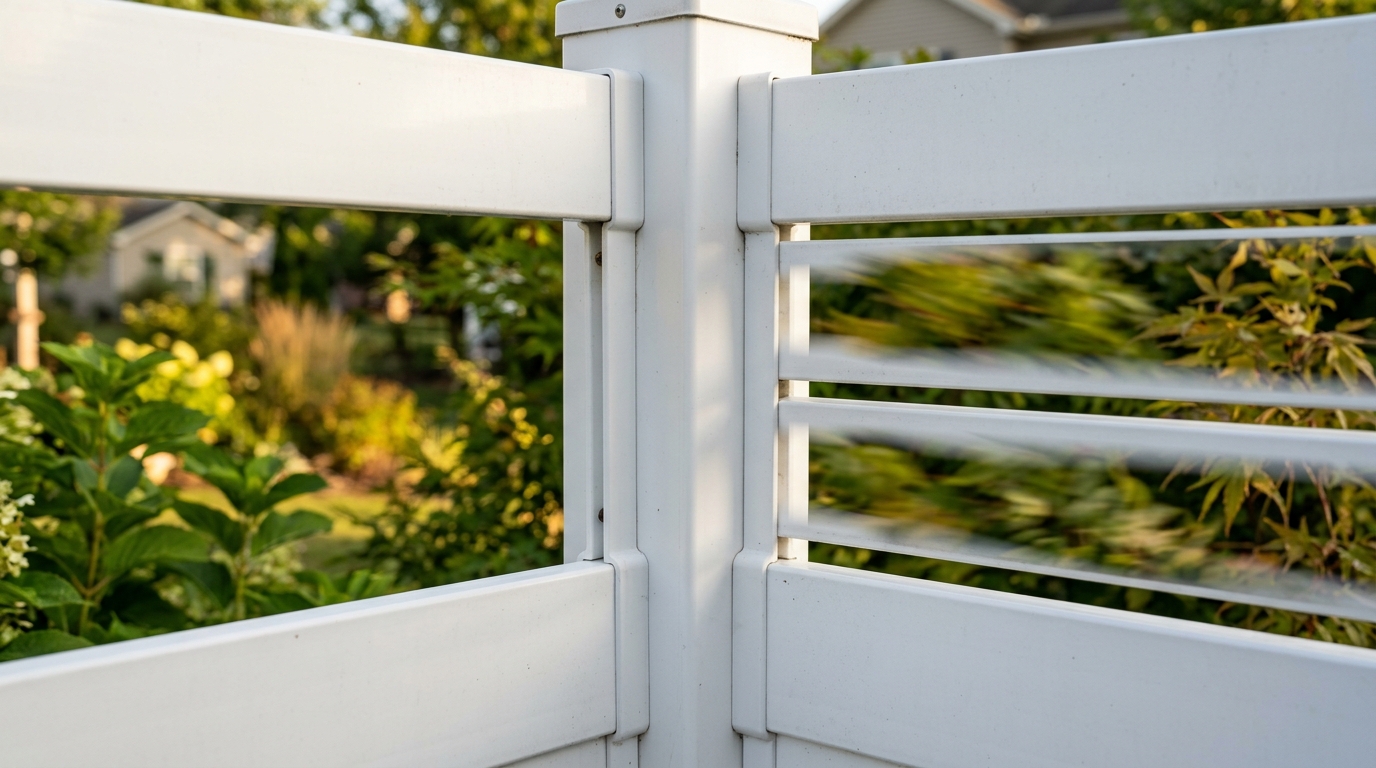
Modern engineering has transformed vinyl fencing from a simple aesthetic choice into a high performance solution for wind prone environments. The primary challenge in these areas is the sail effect, where solid panels act like a literal sail and capture the full force of the wind. To mitigate this, louvered slats are an exceptional design choice because they allow air to flow through the fence line without compromising privacy. By breaking up the solid surface area, these slats significantly reduce the total wind load against the structure. This specialized airflow prevents the intense pressure buildup that often leads to snapped posts or warped panels during heavy storms.
Structural integrity is further bolstered by the use of interlocking tongue and groove panels which create a unified and resilient barrier. Unlike traditional wood pickets that might pull apart under stress, these interlocking components distribute the wind’s energy evenly across the entire fence section. This distribution is critical for preventing torque, a twisting force that commonly causes structural buckling at the base of the posts. By locking the panels together securely, the system maintains its shape and vertical alignment even when subjected to sustained high velocity gusts. This design ensures that the fence remains a durable investment rather than a liability during hurricane season.
For homeowners weighing the benefits of synthetic materials, these professional engineering techniques provide a clear advantage over traditional wood. High quality vinyl systems are now manufactured to meet stringent coastal building codes, often outperforming wood which can become brittle or rot over time. When these advanced panel designs are paired with reinforced internal supports, the fence becomes a formidable defense against the elements. Choosing a system designed with these aerodynamic principles ensures long term durability and peace of mind. Investing in a wind resistant design means your property remains protected and your perimeter stays intact through the most challenging weather events.
Professional Installation Methods For Maximum Wind Load
To achieve the structural integrity required for a Category 2 hurricane, the foundation of every vinyl post must be engineered for extreme lateral pressure. Professional installers prioritize deep-set concrete footings that extend well below the frost line, typically reaching depths of thirty-six inches or more for maximum stability. These footings act as a heavy anchor, preventing the fence from leaning or lifting when subjected to sustained wind loads of over one hundred miles per hour. By creating a bell-shaped base at the bottom of the hole, the concrete provides a wider surface area that resists the upward suction forces common during severe storms. This meticulous attention to the underground portion of the fence ensures that the synthetic panels remain upright and aligned even when the environment becomes volatile.
While the concrete provides the foundation, internal post reinforcements are the secret to preventing the hollow vinyl from buckling or kinking under stress. High-wind installations often utilize heavy-duty internal aluminum or steel inserts that run the full height of the post to provide rigid structural support. These inserts allow the vinyl to retain its aesthetic appeal while gaining the tensile strength of metal, effectively bridging the gap between flexibility and durability. Without these internal skeletons, standard vinyl can become brittle and snap at the base where the wind pressure is most concentrated. Integrating these reinforcements transforms the fence from a decorative boundary into a robust barrier capable of protecting your property during peak weather events.
The investment in professional installation techniques pays dividends by significantly extending the lifespan of the material compared to standard DIY methods. Proper hardware selection, such as reinforced rail-to-post connections, ensures that the panels do not pop out of their tracks when the fence begins to flex. This holistic approach to wind resistance addresses every potential point of failure, from the soil to the top rail, providing homeowners with peace of mind. Choosing these high-performance installation standards makes synthetic fencing a superior alternative to wood, as it will not rot or weaken over time. Ultimately, the combination of specialized internal bracing and massive concrete footings creates a reliable system that stands firm against the elements.
Engineered Resilience for High-Wind Environments
Investing in high-grade vinyl fencing is a strategic decision that offers far more than just aesthetic appeal for coastal and high-wind properties. While standard materials might buckle under the pressure of a moderate storm, hurricane-rated vinyl is specifically engineered to flex without fracturing. This inherent resilience allows the panels to absorb wind energy rather than resisting it to the point of structural failure. When you choose a premium system, you are securing a long term asset that eliminates the constant cycle of repairs common with traditional wood fences. The peace of mind that comes from knowing your perimeter can withstand a major weather event is an invaluable benefit for any homeowner in a high risk zone.
Professional installation serves as the critical foundation that transforms high quality materials into a dependable wind barrier. Expert installers utilize specialized techniques, such as deeper post settings and internal structural reinforcements, to ensure the fence remains anchored during extreme gusts. These methods address the common failure points where DIY or standard installations often succumb to soil erosion or base snapping. By prioritizing professional craftsmanship, you effectively bridge the gap between a product’s theoretical rating and its real world performance. This combination of superior engineering and technical precision ensures your investment remains standing long after the storm passes.
Choosing a synthetic fencing solution designed for durability provides a significant return on investment through reduced maintenance and longevity. Unlike wood, which can weaken over time due to rot and moisture exposure, high grade vinyl maintains its structural integrity even in harsh salt air environments. The initial cost of a professional, wind resistant setup is offset by the absence of painting, staining, and frequent post replacements. Homeowners can rest easy knowing their property is protected by a system that meets stringent building codes and modern safety standards. Reviewing a Vinyl vs Wood Cost Analysis reveals that the synthesis of premium materials and expert labor creates a worry free boundary that enhances both property value and personal security.
Frequently Asked Questions
1. What wind speeds can a standard residential vinyl fence actually withstand?
Standard residential vinyl is typically rated for wind speeds between 60 and 80 mph. While this is sufficient for moderate inland weather, these fences often reach their failure threshold during a significant storm because the hollow posts lack internal reinforcement.
2. What makes a vinyl fence ‘hurricane rated’ compared to standard options?
Hurricane rated systems utilize thicker walls and specialized interlocking mechanisms designed to prevent panels from blowing out. These high performance structures are engineered to meet stringent building codes and can endure sustained winds of 110 to 130 mph.
3. Why do vinyl fence posts often fail or buckle during high winds?
Failure usually occurs at the base of the post where wind stress is most concentrated. Without proper internal reinforcement like aluminum or steel inserts, the vinyl material will kink or buckle under extreme pressure.
4. Is it worth upgrading to hurricane rated vinyl if I do not live on the coast?
Yes, because investing in hurricane grade materials provides a higher safety margin against unpredictable severe weather. This upgrade prevents the need for a total and costly system replacement that often follows a single failure of standard grade fencing.
5. How do interlocking mechanisms improve a fence’s wind resistance?
Modern interlocking mechanisms secure the pickets and rails more tightly than standard friction fits. This precision engineering ensures that panels remain intact and do not become projectiles when subjected to high velocity gusts.
6. What structural features should I look for to ensure maximum wind resistance?
You should prioritize systems with increased wall thickness and internal metal reinforcements in the posts. These features, combined with advanced engineering standards, allow the fence to withstand sustained pressure without buckling or shattering.