
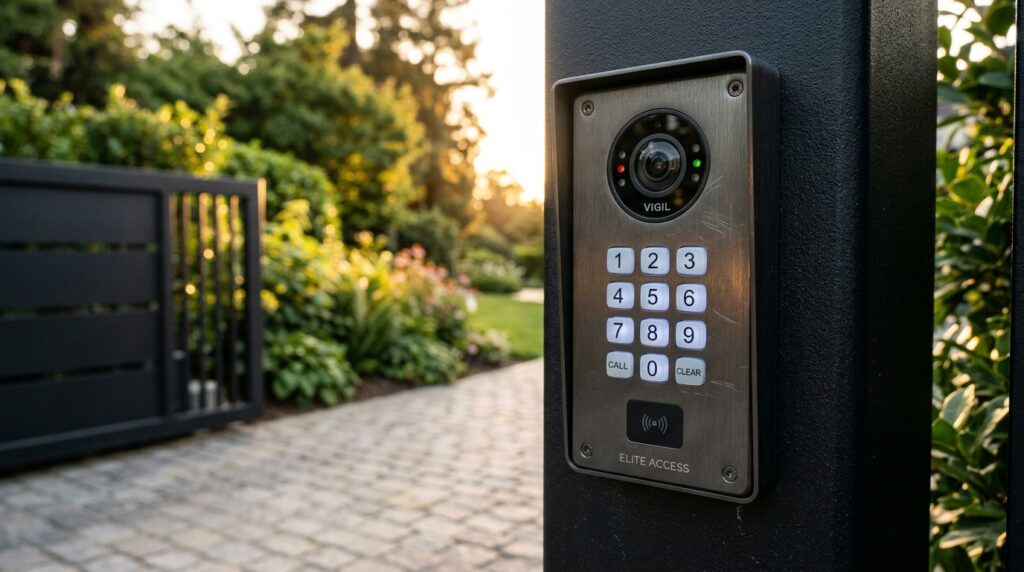
The Future Of Property Access: Comparing Modern Gate Keypad Entry Options
The era of the simple, standalone code box has officially come to an end. Modern gate keypad entry options have transitioned into sophisticated smart gatekeepers that bridge the gap between physical security and digital convenience. Whether you are managing a high-traffic commercial facility or securing a private residence, today’s systems offer a seamless blend of cloud-based management and real-time oversight.
Security is no longer just about keeping people out; it is about how intelligently you let them in. From mobile-first credentials that recognize your smartphone to AI-driven video intercoms, the latest technology ensures that access is both frictionless and ironclad. Property owners now have the power to issue temporary codes remotely or utilize biometric verification to guarantee that credentials remain non-transferable.
Key Takeaways
- Modern gate entry has evolved from standalone code boxes into cloud-managed security hubs that utilize mobile credentials, AI-driven video intercoms, and biometric verification to ensure non-transferable access.
- Hardwired connections remain the gold standard for high-traffic commercial reliability, while cellular and Wi-Fi protocols offer the flexibility and rapid deployment necessary for remote management and mobile-first environments.
- AI-driven features like License Plate Recognition (LPR) and facial recognition provide a frictionless, hands-free entry experience that eliminates the security risks associated with shared PINs or physical fobs.
- Cloud-based management platforms enable property owners to oversee multiple entry points remotely, providing real-time audit logs and the ability to instantly issue or revoke digital access permissions.
Evaluating Hardwired Versus Wireless Communication Protocols
Choosing between hardwired and wireless communication protocols is a pivotal decision that dictates the long-term reliability and scalability of your gate entry system. Hardwired connections, typically utilizing Ethernet or specialized data cabling, remain the gold standard for high-traffic commercial properties where downtime is not an option. These systems offer a dedicated physical pathway for data, ensuring that signal interference from nearby electronics or physical obstructions never compromises gate functionality. While the initial installation involves more labor due to trenching and wiring, the result is a robust infrastructure that supports high-bandwidth tasks like live video streaming and instant audit log synchronization. This stability makes hardwired setups ideal for professional managers who prioritize a consistent approach to security.
Wireless communication protocols, including cellular and Wi-Fi based systems, offer flexibility and rapid deployment for modern property management. Cellular-based keypads are particularly effective for remote sites where running physical cables is cost-prohibitive, as they leverage existing network towers to provide a direct link to cloud management software. Wi-Fi systems are equally agile, allowing for easy integration into an existing smart building ecosystem without extensive construction. These wireless options excel in mobile-first environments, enabling managers to update access codes or view entry logs from a smartphone app in real time. However, users must ensure they have a strong signal environment to prevent latency issues during peak usage hours.
Selecting the best option requires balancing the immediate convenience of wireless tech with the permanent performance of a hardwired backbone. Many advanced facilities are now adopting hybrid models, using hardwired lines for the primary data stream while maintaining cellular backups to ensure the gate remains operational during local network outages. This redundant approach protects the integrity of AI-driven security features and biometric readers that require constant cloud connectivity to function. By evaluating your property’s specific topography and your need for remote administrative control, you can choose a protocol that supports both current mobile credentials and future technological upgrades. Ultimately, the right choice aligns your physical security needs with the digital demands of a modern access control strategy.
Integrated Video Intercom And Mobile Credentials
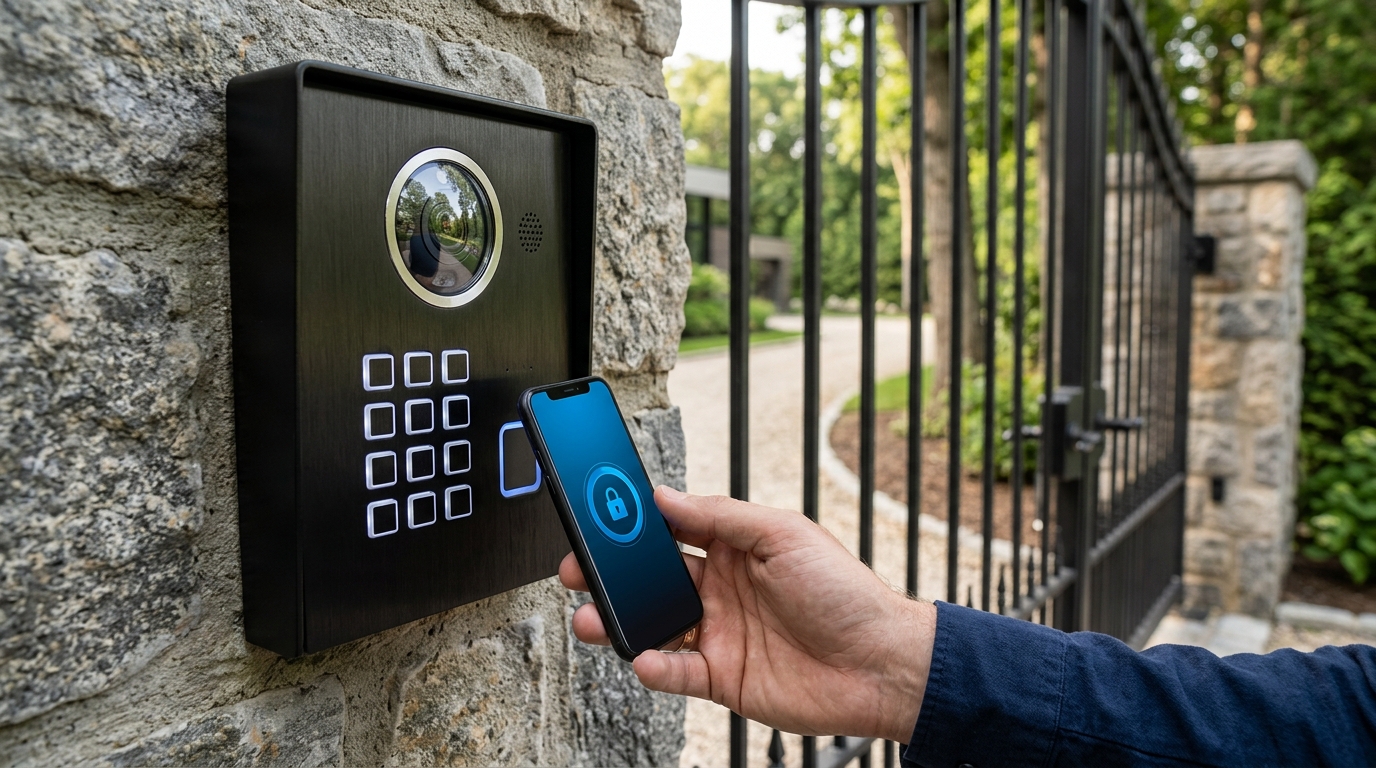
Modern gate keypad systems have transitioned into sophisticated security hubs that prioritize visual verification and high-definition clarity. By integrating wide-angle lenses and night-vision capabilities directly into the keypad interface, these systems allow property owners to see exactly who is requesting access in real time. This visual layer is essential for commercial properties that require a strict audit trail and the ability to confirm visitor identities before granting entry. These units often connect via cellular or hardwired fiber connections to ensure that video feeds remain stable and high-resolution regardless of the weather. Property managers can now manage these streams from a centralized dashboard, making it easier to oversee multiple entry points from a single location.
The shift toward mobile-first credentials has redefined how authorized users interact with gate hardware through Bluetooth and NFC technology. Instead of fumbling for a physical key or memorizing a rotating PIN, employees and residents can simply approach the gate with their smartphone or smartwatch to trigger an unlock. This touchless approach utilizes encrypted digital tokens that are much harder to duplicate or steal than traditional plastic badges or shared codes. For those overseeing the facility, the ability to issue or revoke these digital keys instantly through the cloud provides a level of agility that older systems cannot match. This eliminates the cost and logistical headache of replacing physical hardware when a user leaves the organization.
Choosing between Wi-Fi, cellular, and hardwired configurations is a critical step in optimizing the performance of these integrated video systems. While Wi-Fi offers a lower barrier to entry for smaller installations, cellular and hardwired options provide the robust bandwidth necessary for continuous high-definition video streaming and instant mobile credential processing. Hardwired systems remain the gold standard for reliability in high-traffic commercial environments where interference must be kept to an absolute minimum. Meanwhile, cellular-based keypads are becoming the preferred choice for remote perimeters where running data cables is cost-prohibitive. Each of these connectivity methods ensures that the video intercom and mobile reader function as a cohesive unit to enhance property security.
Advanced Biometric And License Plate Recognition Features
The next evolution in gate keypad entry options focuses on moving beyond manual inputs toward seamless, AI-driven identification. High-security properties are increasingly adopting facial recognition technology that integrates directly into the gate station, allowing for completely hands-free access. These systems use sophisticated algorithms to map facial features in real time, ensuring that only authorized individuals gain entry without ever needing to touch a keypad or search for a smartphone. This shift toward biometric verification provides a non-transferable credential that significantly reduces the risk of unauthorized code sharing or stolen fobs. For property owners, this represents the pinnacle of convenience and security, as the system identifies users as they approach the entrance.
Complementing these biometric upgrades is the rise of AI-driven video intercoms and License Plate Recognition (LPR) technology, which transforms a standard gate into an intelligent checkpoint. By utilizing high-definition cameras and AI-driven software, the system can automatically read and verify vehicle plates against a pre-approved database. This technology is particularly effective for those looking to streamline traffic flow in busy commercial or residential settings. When a recognized vehicle approaches, the gate opens instantly, providing a frictionless experience that maintains a high security posture. Managers can even set specific time windows for certain plates, ensuring that contractors or delivery services only have access during approved hours.
Modern biometric and LPR systems are designed to work in tandem with cloud-based management platforms for total property oversight. These advanced entry options allow administrators to monitor access logs from any location, receiving instant alerts if an unrecognized face or vehicle attempts to breach the perimeter. Because these systems rely on artificial intelligence, they continue to learn and adapt to different lighting and weather conditions, maintaining high accuracy year-round. Choosing between these high-tech options often comes down to the specific layout of the property and the desired speed of entry. By investing in these AI-driven features, property owners can future-proof their security infrastructure while offering the ultimate amenity in modern access control.
Cloud Management And Real Time Audit Logs
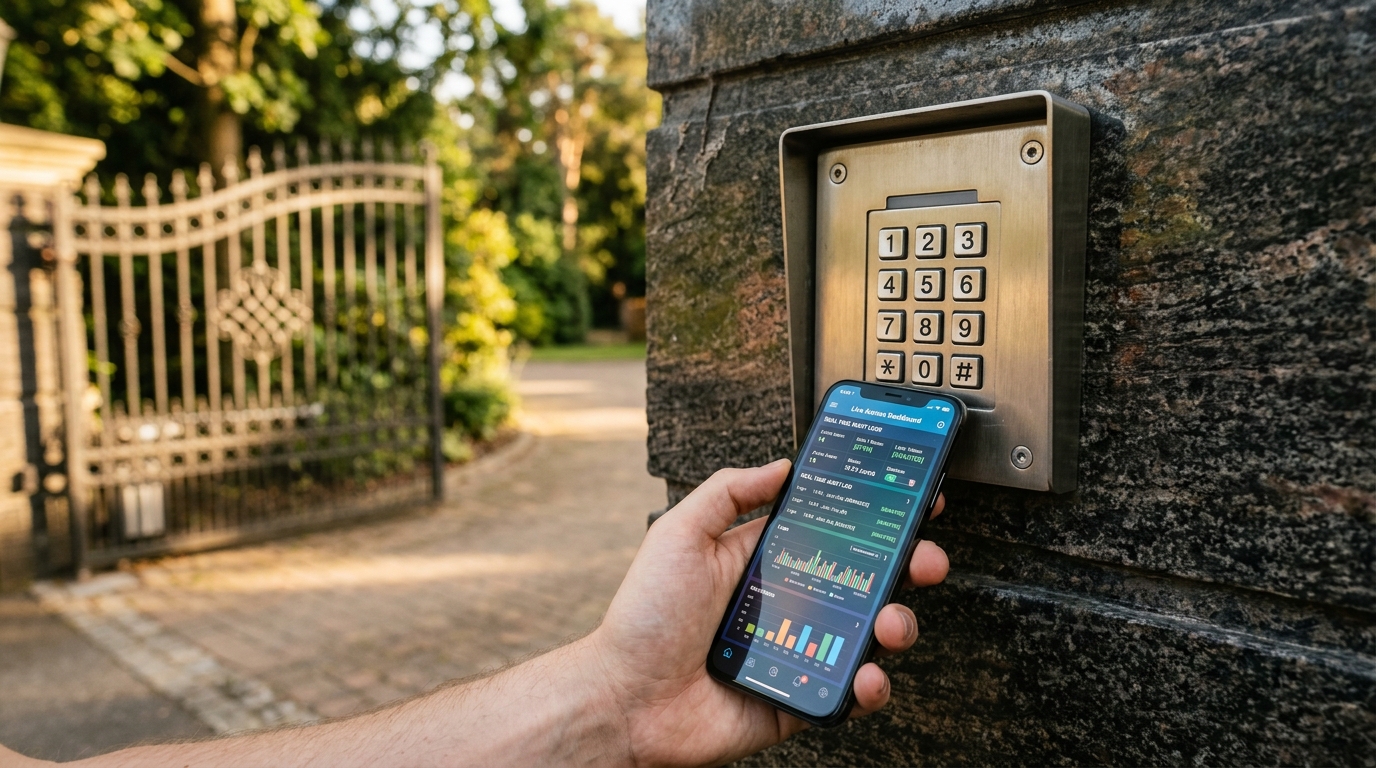
Cloud-based management has transformed gate keypad entry systems into dynamic security hubs that property managers can control from any location. By leveraging Wi-Fi, cellular, or hardwired internet connections, these systems eliminate the need for on-site servers or manual programming at the physical keypad. Administrators can instantly issue temporary visitor codes for delivery drivers or contractors through a centralized dashboard, ensuring that access is granted only for specific time windows. This remote capability significantly reduces operational overhead while enhancing the overall convenience for both staff and residents.
Real-time audit logs provide an essential layer of transparency by recording every entry event across multiple gate locations simultaneously. Managers can monitor who entered the property and at what exact time, receiving instant notifications for unauthorized attempts or system overrides. This data is invaluable for commercial property owners who need to maintain strict security protocols and historical records for liability purposes. Because the information is stored securely in the cloud, it remains accessible for forensic review even if the physical hardware is tampered with on-site.
Choosing between cellular and hardwired cloud systems often depends on the existing infrastructure and the desired level of data reliability. Cellular-connected keypads offer a seamless installation process for remote perimeter gates where running data cables is cost-prohibitive. Hardwired systems, conversely, provide the most stable connection for high-traffic commercial hubs that require constant uptime for video streaming and rapid log updates. Regardless of the hardware choice, the integration of cloud software ensures that your property remains protected by the latest security patches and real-time monitoring tools.
Choosing the Right Gate Keypad Technology
Selecting the ideal gate keypad entry option requires a strategic evaluation of how Wi-Fi, cellular, and hardwired systems align with your property goals. While hardwired systems offer unmatched reliability for high traffic commercial sites, cellular and Wi-Fi models provide the cloud-based flexibility essential for remote management. Modern decision makers must prioritize a solution that supports mobile credentials and real-time audit logs to ensure seamless access without compromising perimeter integrity. By investing in the right communication protocol, you bridge the gap between sophisticated technology and practical, everyday usability.
The evolution of access control emphasizes a mobile-first approach where convenience serves as a primary security layer. Choosing between a standalone smart keypad and an integrated video intercom depends on your specific need for visual verification and visitor management. High-security environments may benefit from biometric integration, while residential complexes often find the best value in Bluetooth-enabled systems that recognize users as they approach. Ultimately, the best choice is one that scales with your needs, allowing for easy updates as encryption standards and hardware capabilities continue to advance.
A robust property perimeter is only as effective as the technology used to manage its entry points. Balancing technological convenience with security means selecting a system that offers both encrypted transmission and user-friendly interfaces for residents and guests. Advanced systems now leverage AI-driven insights to monitor for unusual patterns, transforming a simple gate keypad into a proactive security asset. By carefully weighing the benefits of each connectivity option, you can implement a sophisticated entry solution that protects your assets while providing a frictionless experience for authorized users.
Frequently Asked Questions
1. What are the primary benefits of modern gate keypad systems?
Modern systems serve as sophisticated smart gatekeepers that bridge the gap between physical security and digital convenience. You gain the ability to manage access via the cloud, issue temporary remote codes, and utilize mobile-first credentials for a frictionless experience.
2. Should I choose a hardwired or a wireless communication protocol?
Hardwired connections are the gold standard for high-traffic commercial properties because they provide a dedicated physical pathway that eliminates signal interference. Wireless protocols, such as cellular or Wi-Fi, are better suited for rapid deployment and offer flexibility for modern property management.
3. How do mobile-first credentials improve gate security?
Mobile credentials allow the system to recognize your smartphone, ensuring that access is both secure and ironclad. This technology eliminates the need for physical keys and allows you to monitor entries in real time through digital oversight.
4. Can I manage access permissions for visitors remotely?
Yes, current technology allows property owners to issue temporary access codes from any location. This remote management capability ensures you can provide entry to guests or contractors without needing to be physically present at the gate.
5. Are hardwired systems worth the higher installation cost?
While hardwired setups require more labor for trenching and wiring, they offer a robust infrastructure that supports high-bandwidth tasks like live video streaming. This stability is ideal if you prioritize long-term reliability and 24/7 perimeter safety and instant audit log synchronization.
6. How does AI and biometric technology enhance entry points?
AI-driven video intercoms and biometric verification ensure that credentials remain non-transferable and unique to the individual. These advanced features provide a higher level of security by guaranteeing that only authorized users can gain entry.