
Is Cellular Gate Access Worth It? Costs, Value, And ROI
How much is cellular gate access worth today? For CellGate Access Control Systems, the answer has not been publicly disclosed, making its true valuation difficult to determine. Available business estimates place annual revenue near $19.8 million, with approximately 60 to 63 employees, but these figures have not been audited or confirmed by the company.
Understanding CellGate’s potential worth requires looking beyond revenue alone. Its operating history, connected access-control technology, customer base, and private-company status all influence how analysts might assess its market value.
Key Takeaways
- CellGate’s valuation has not been publicly disclosed. Third-party estimates place its annual revenue near $19.8 million and workforce at roughly 60–63 employees, but these figures are directional and do not establish company worth.
- Cellular gate access delivers the most value when properties need remote smartphone control, video verification, temporary credentials, activity records, and centralized access management for many users or locations.
- The investment should be judged by total ownership cost—including hardware, installation, cellular or software fees, maintenance, and support—against savings from fewer service calls, reduced credential management, and eliminated landline expenses.
- CellGate’s connected gate, door, video intercom, and smartphone systems may support recurring service revenue and strengthen business value, but any assessment also requires private financial details such as profitability, retention, debt, and growth.
CellGate Company Value And Revenue Estimates
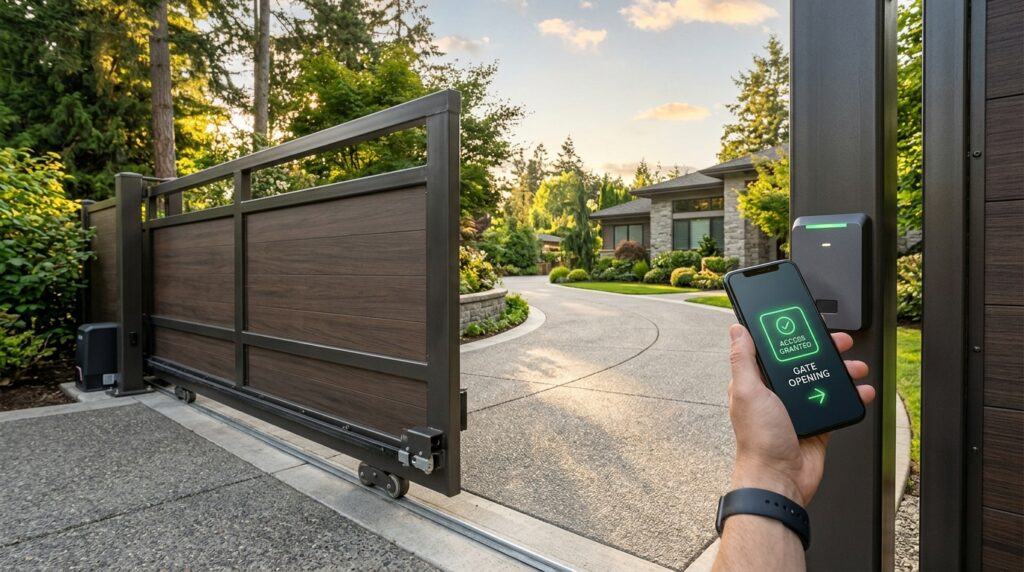
CellGate Access Control Systems is a privately held access technology company headquartered in Carrollton, Texas. Founded by Noel Gouldin, the company says it began operations in 2006 with a focus on replacing traditional landline-based gate communication. Its systems now support cellular and internet-connected gate entry, video intercoms, door access, and smartphone control. For homeowners and gated communities, that connectivity can make upgrading from an outdated keypad worthwhile by improving convenience, visibility, and remote access management.
Third-party business data providers estimate CellGate’s annual revenue at approximately $19.8 million and its workforce at roughly 60 to 63 employees. These figures should be treated as directional estimates rather than audited financial statements because CellGate is privately held and does not publicly report detailed financial results. No reliable public company valuation or confirmed funding figure is currently available, so revenue should not be confused with enterprise value or owner net worth. The available data indicates the company’s approximate scale, but it does not establish what the business itself is worth.
From a commercial perspective, cellular gate access can be worth considering when a community wants to replace limited keypad functionality with smartphone-based control and better property oversight. Remote entry permissions, visitor verification, activity visibility, and reduced dependence on physical credentials may create practical value for residents and property managers. Connected systems can also support recurring monitoring, support, maintenance, and service revenue, which may be attractive because these services often carry higher margins than one-time hardware sales. Overall value depends on installation costs, cellular connectivity, ongoing fees, system reliability, and whether the added convenience and service capabilities justify the upgrade.
Cellular Gate Access Costs And Convenience
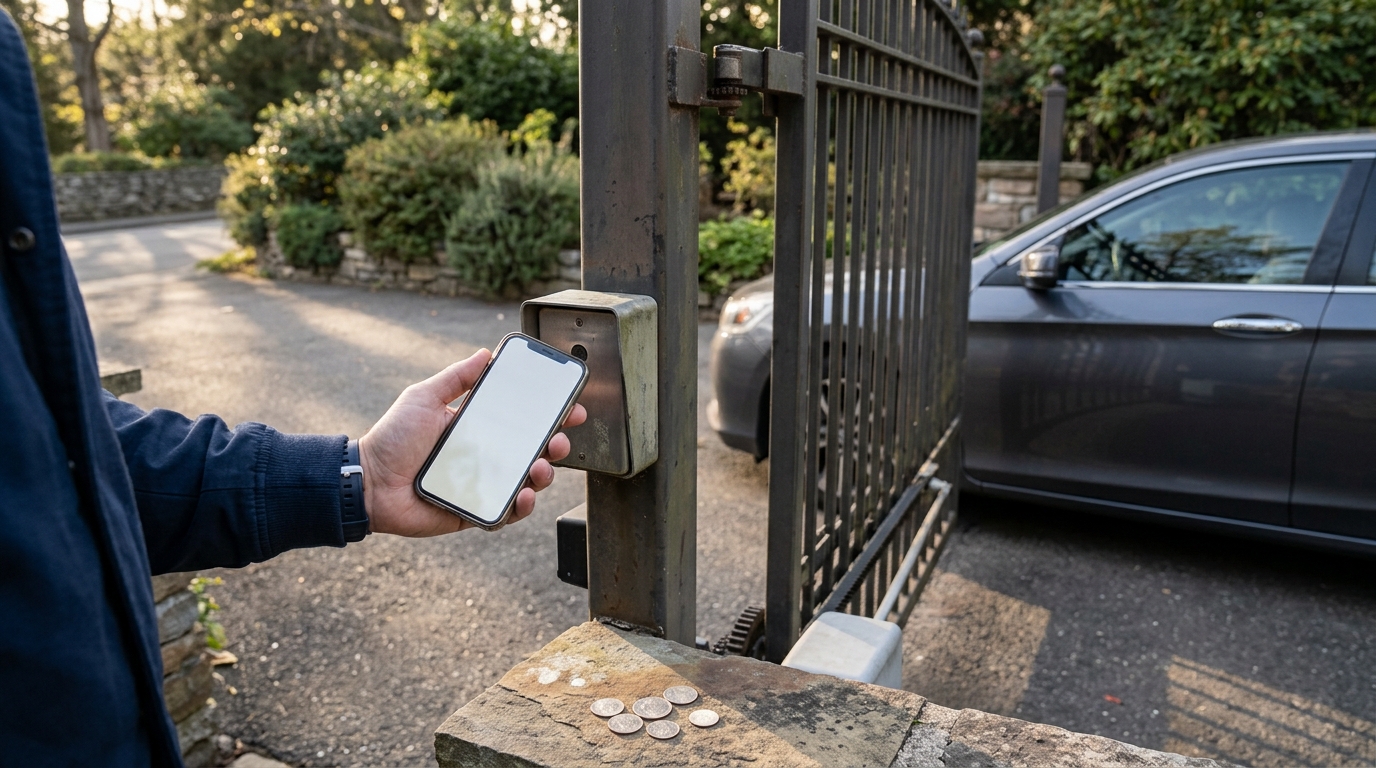
Whether cellular gate access is worthwhile depends on how much value you place on convenience, control, and reduced reliance on physical credentials. The initial investment typically includes the cellular controller, gate interface, optional video intercom or camera, installation, and dealer support. Ongoing expenses may include cloud management, cellular connectivity, software features, maintenance, and recurring service fees. Compared with a basic keypad or remote system, the total cost is higher, but it can reduce the need to rekey systems, replace lost remotes, and distribute credentials to every resident or authorized visitor.
For tech-savvy homeowners and gated communities, smartphone control can make the added expense easier to justify. Residents can open the gate from an app, issue temporary virtual credentials, and let in guests or service providers remotely without being onsite. With video intercom capabilities, users may also see and speak with visitors before granting access, combining convenience and security in one system. Cellular connectivity can be especially valuable when running a landline to the gate is expensive, unreliable, or impractical.
Traditional telephone-entry systems and landline-based access may have familiar costs, but they can require dedicated phone service, additional wiring, and onsite changes when users or phone numbers change. Keypads and remotes remain simple options, yet they depend more heavily on memorized codes, programmed devices, and physical credential management. A cellular system is often most worthwhile when remote visitor entry, centralized cloud administration, activity visibility, and easier access updates offset the hardware and monthly service costs. Communities should compare the full ownership cost over several years, including installation, support, connectivity, maintenance, and the operational savings created by fewer lost credentials and fewer in-person access requests.
Cellular Gate Access ROI For Communities
Cellular gate access can be worth the investment for homeowners and community associations when convenience, reliability, and lower operating costs are considered together. Residents can use smartphones to open gates for themselves, guests, deliveries, and service providers without sharing keypad codes or replacing lost remotes. HOAs may reduce service calls related to access credentials, while property managers can update permissions remotely instead of coordinating onsite visits. Multifamily communities may also benefit from faster resident turnover because access can be activated or revoked digitally as leases begin and end. Over time, eliminating dedicated landline expenses and reducing manual administration can help offset initial equipment and installation costs.
For self-storage facilities, farms, and commercial sites, the return comes from stronger control over who enters and when. Cloud-connected access records can provide time-stamped visibility into gate activity, supporting security reviews, vendor accountability, and operational decisions. Visitor management also becomes easier when temporary permissions can be issued for contractors, tenants, deliveries, or maintenance crews without distributing permanent codes. Facilities with multiple entrances or irregular operating hours may gain additional value by managing access remotely rather than sending staff to the property. These measurable improvements can make cellular access worthwhile even when the primary goal is reducing friction rather than generating new revenue.
The business case becomes especially compelling for providers that can package installation with ongoing access and connectivity services. Recurring plans may include cellular connectivity, software access, credential management, video or intercom features, monitoring, and technical support, creating predictable revenue after the initial sale. For communities and commercial operators, that recurring cost is easier to justify when it replaces landline charges, reduces service visits, and improves the resident or tenant experience. A well-designed upgrade can therefore deliver value on both sides, giving property owners better control while creating opportunities for profitable recurring services. Evaluating current service-call volume, turnover frequency, communication costs, and access-related labor provides a practical way to determine whether cellular gate access is worthwhile.
When Cellular Gate Access Is Worth It
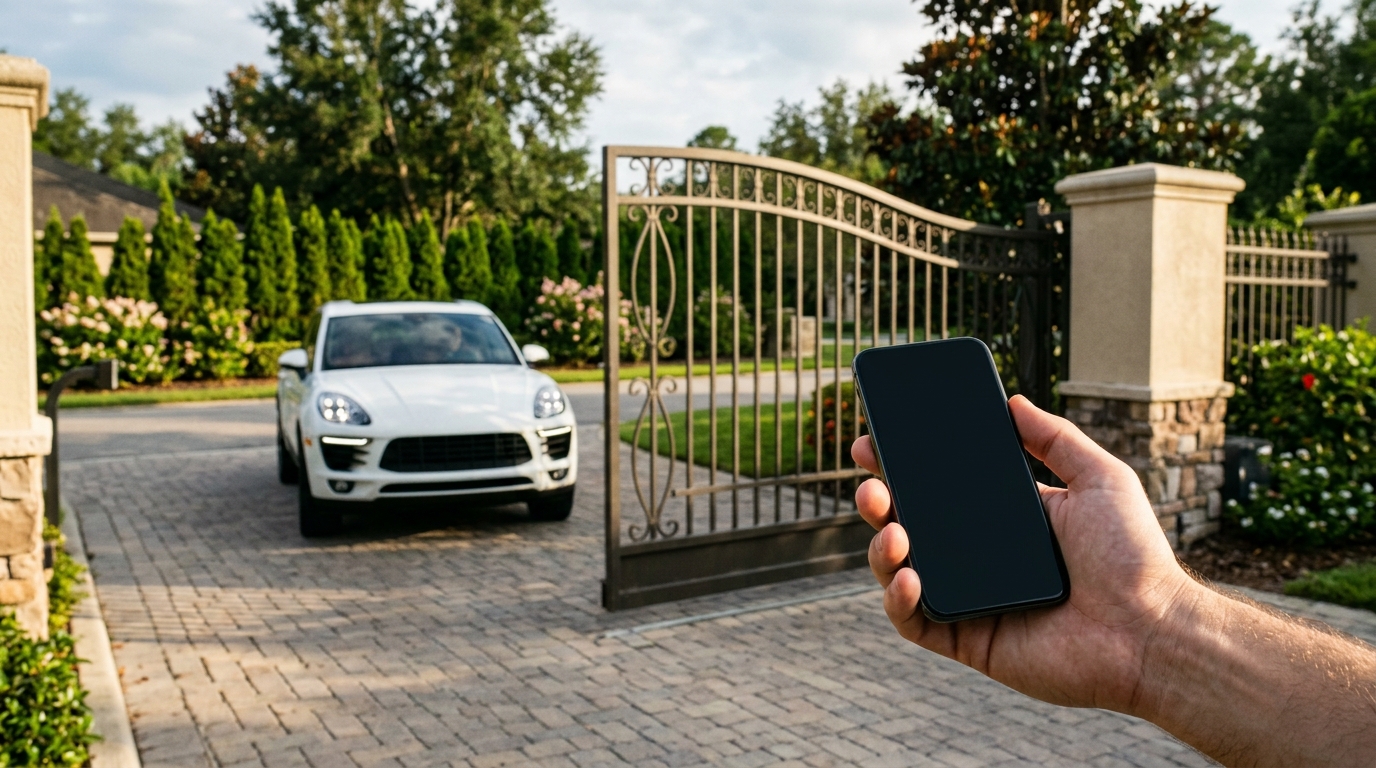
Cellular gate access is usually worth the investment when a property has multiple users, a gate located far from the main building, or a strong need for remote control and visibility. A system such as CellGate’s can be especially practical for large homes, gated communities, rental properties, and commercial sites where issuing, changing, or revoking access codes would be difficult to manage. Reliable cellular coverage is essential, so confirm signal strength at the gate before choosing a system. Also consider the installation conditions, including available power, trenching requirements, intercom placement, and whether running new wiring would be expensive or disruptive.
The value increases when security requirements go beyond simply opening the gate. Smartphone credentials, video verification, activity records, temporary guest access, and remote unlock capabilities can improve oversight while reducing the need for physical keys or permanent keypad codes. High user volume also makes centralized management more valuable, particularly when residents, employees, contractors, delivery personnel, and visitors need different access permissions. However, monthly cellular or software fees should be compared with the time saved and the security benefits delivered over several years.
A simpler solution may provide better value when the property is small, the gate is close to an occupied building, and only a few trusted users need entry. A wired system can be more economical where conduit and power are already available, while a cloud-based option may suit sites with dependable internet and existing network infrastructure. A standalone keypad may remain the practical choice for locations with limited cellular coverage, minimal access changes, or little tolerance for recurring fees. The best decision comes from comparing total ownership costs, installation complexity, coverage reliability, user volume, and the level of remote security control the property actually needs.
Evaluating the Value of Cellular Gate Access
Cellular gate access should be evaluated separately from CellGate’s estimated business scale. CellGate is a privately held company, so its valuation has not been publicly disclosed, while third-party estimates place its annual revenue near $19.8 million and its workforce at roughly 60 to 63 employees. Those figures describe the organization, not the practical value a property owner receives from its access-control products. The more relevant question is whether the system improves daily entry management, resident convenience, and site security. For homeowners and gated communities, product value depends on performance and fit rather than company size alone.
For properties ready to move beyond traditional keypads, cellular gate access can be worth the investment when remote smartphone control is a priority. Authorized users can manage entry from a phone, while visitor management and video communication help residents verify guests without relying solely on shared codes or physical remotes. These capabilities may also reduce administrative effort and make access changes easier as residents, vendors, or staff change. Although the upfront price may exceed that of simpler entry equipment, dependable connectivity and long-term operational convenience can provide stronger value over time. Cellular gate access is therefore most worth considering when modern control, reliable visitor handling, and video-enabled communication matter more than choosing the lowest initial cost.
Frequently Asked Questions
1. How much is CellGate Access Control Systems worth today?
CellGate’s current company valuation has not been publicly disclosed. Available business estimates place annual revenue near $19.8 million, but revenue is not the same as enterprise value, owner net worth, or sale price.
2. What is CellGate’s estimated annual revenue?
Third-party business data providers estimate CellGate’s annual revenue at approximately $19.8 million. Because the company is privately held, this figure is directional and has not been confirmed through audited public financial statements.
3. How many employees does CellGate have?
Business databases estimate that CellGate employs roughly 60 to 63 people. Staffing figures can change over time and should be treated as estimates because the company does not publicly report detailed workforce data.
4. Why is CellGate’s valuation difficult to determine?
CellGate is a private company and does not publicly disclose its valuation, profit margins, funding history, debt, or detailed financial statements. A reliable valuation would also require information about recurring revenue, customer retention, intellectual property, operating costs, and comparable transactions.
5. What factors could increase CellGate’s business value?
CellGate’s operating history, connected access-control technology, customer base, and recurring service potential could support its business value. Demand for cellular gate entry, video intercoms, smartphone control, and internet-connected access systems may also strengthen its commercial position.
6. Is CellGate’s revenue estimate the same as its company worth?
No. Revenue measures sales generated during a period, while company worth depends on profitability, growth, assets, liabilities, market conditions, and expected future earnings. A business with high revenue can still have a lower valuation if its costs or debt are substantial.
7. What products and services contribute to CellGate’s value?
CellGate provides cellular and internet-connected gate entry systems, video intercoms, door access solutions, and smartphone-based control. These products can create value by helping homeowners and gated communities improve convenience, visibility, remote management, and communication.
8. Is cellular gate access worth considering for a gated community?
Cellular gate access can be worthwhile when you want to replace outdated landlines, improve remote entry management, or give residents better visibility and control. Its value depends on installation costs, cellular coverage, subscription fees, maintenance requirements, and the security needs of your property.