
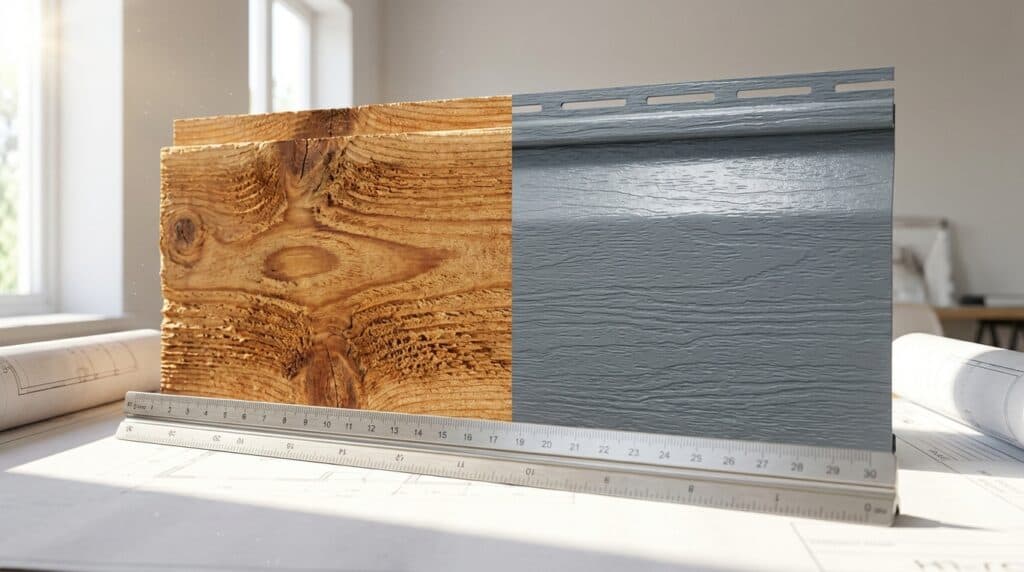
Vinyl vs Wood Cost Analysis for 2025 Homeowners
Choosing the right material for your home often feels like a balancing act between your current budget and your future peace of mind. When evaluating vinyl vs wood cost in 2024 and 2025, the initial price tag only tells half the story. While wood remains the more affordable entry point for fencing and windows, the shifting costs of material durability and labor are changing the math for modern homeowners.
Smart property ownership requires looking beyond the first invoice to see how maintenance impacts your bottom line over time. Wood offers an undeniable natural charm at a lower upfront investment, but rising upkeep expenses can quickly bridge the price gap. Vinyl has emerged as the more cost-effective long-term solution, offering superior weather resistance and a low-maintenance appeal that protects your investment for decades.
Key Takeaways
- Wood offers the lowest initial installation cost for fencing at $11 to $45 per linear foot, making it the ideal choice for immediate budget management or large-scale properties.
- Vinyl provides superior long-term value and a lower total cost of ownership by eliminating the recurring expenses of staining, sealing, and repairing required by wood.
- Vinyl windows are the industry standard for cost-effective energy efficiency, offering significantly lower entry-level pricing compared to premium wood units that can cost up to $2,000.
- Homeowners planning to stay in their property for more than five to seven years should prioritize vinyl to avoid the rising labor and material costs associated with maintaining organic wood.
Initial Installation Prices for Fencing and Windows
When evaluating the upfront costs of a new project, wood remains the most budget-friendly choice for residential fencing. Homeowners can generally expect to pay between $11 and $45 per linear foot for a professionally installed wood fence, depending on the species and style selected. While vinyl fencing requires a higher initial price tag of roughly $15 to $40 per linear foot, the total project costs for a standard yard typically range from $3,000 to $7,000. This price gap is often the deciding factor for those looking to minimize their immediate out-of-pocket expenses. Wood provides a classic aesthetic at a lower entry point, making it an attractive option for large properties where material volume significantly impacts the bottom line.
The price dynamic shifts considerably when you move from the perimeter of your yard to the windows of your home. High-end wood windows are a premium architectural choice, with prices ranging from $260 to $2,000 per unit depending on the complexity of the installation. In contrast, vinyl windows have become the industry standard for cost-effective energy efficiency, often offering much lower entry-level pricing for the average homeowner. Because vinyl windows are manufactured in high volumes with standardized processes, they provide a functional and affordable alternative to custom wood frames. Choosing vinyl for window replacements allows homeowners to allocate their budget toward other interior upgrades while still achieving modern insulation standards.
Deciding between these two materials requires a careful balance of your current liquid budget and your long-term financial goals for the property. While wood allows for a lower barrier to entry in fencing applications, the rising costs of lumber and labor can fluctuate, narrowing the gap between natural and synthetic options. Vinyl often represents a more predictable upfront cost for windows, providing a streamlined installation process that simplifies the bidding phase. By comparing these initial figures, you can determine which material aligns with your immediate financial capacity before considering the future costs of maintenance. Ultimately, the best choice depends on whether you prioritize the lowest possible starting price or a mid-range investment that balances performance and cost.
Long Term Maintenance and Hidden Upkeep Expenses
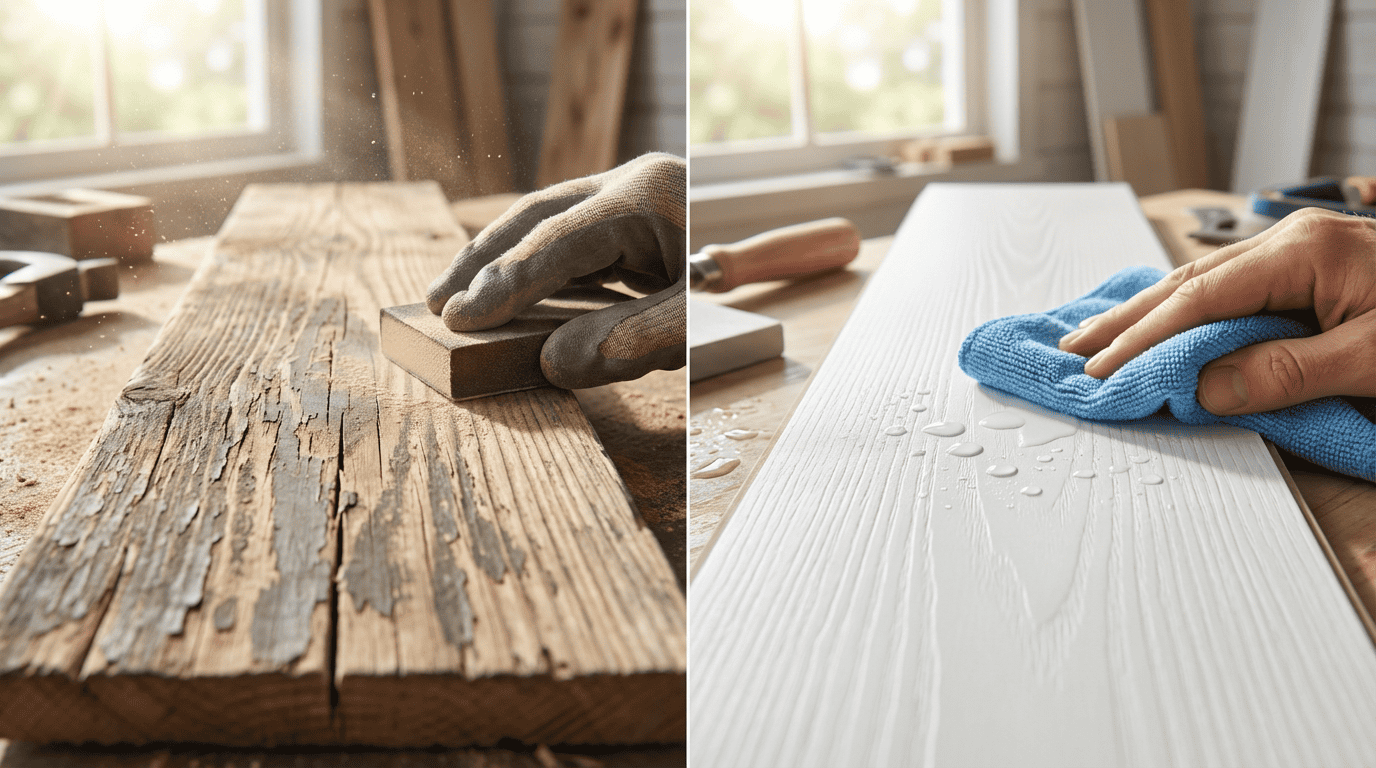
While wood often presents a lower price tag at the time of installation, the hidden upkeep expenses quickly begin to accumulate after the first few years. Homeowners must commit to a rigorous schedule of staining, sealing, and painting to protect the organic material from moisture and UV damage. On average, a professional staining project can cost several thousand dollars and must be repeated every three to five years to prevent rot. These recurring professional services can eventually double the total investment of the project over a decade. When you factor in the rising upkeep expenses of specialized wood treatments in 2024 and 2025, the initial savings of choosing timber are often erased by these necessary maintenance cycles.
Vinyl serves as a much more predictable financial commitment because it eliminates the need for expensive chemical treatments and labor-intensive refinishing. Owners of vinyl products generally only need a garden hose and mild detergent to keep the surfaces looking new, which costs virtually nothing compared to wood preservatives. Because vinyl is non-porous, it does not suffer from warping, splintering, or insect infestations that frequently lead to costly structural repairs in wood installations. This durability ensures that the material retains its aesthetic value and structural integrity without the constant drain on a household budget. Choosing vinyl allows property owners to lock in their costs upfront and avoid the inflationary spikes seen in the home maintenance service industry.
The long-term value proposition shifts heavily in favor of vinyl when evaluating the total cost of ownership over twenty years. While wood might require multiple rounds of sanding and resealing, or even partial replacement due to decay, vinyl remains stable and functional with minimal intervention. This makes vinyl the superior choice for those viewing their home as a long-term asset rather than a short-term project. By bypassing the cycle of sanding and staining, homeowners save both significant amounts of money and hundreds of hours of personal labor. Ultimately, the higher initial investment in vinyl acts as a one-time payment for decades of maintenance-free performance and reliable property value.
Durability Factors and Total Cost of Ownership
When evaluating the initial investment of your project, wood often appears as the more budget-friendly selection due to its lower upfront material and installation cost pricing. For a standard residential fencing project, homeowners might spend between eleven and forty-five dollars per linear foot for wood, whereas vinyl typically starts at fifteen dollars and can reach forty dollars per foot. This initial gap can make wood seem like the obvious choice for those looking to minimize immediate expenses. However, these figures only represent the starting line of a much longer financial journey. The true cost of ownership begins to shift as soon as the installation is complete and the elements take their toll.
The long-term value of vinyl becomes evident when you account for its superior resistance to rot, pests, and environmental degradation. Unlike wood, which requires regular staining, sealing, and painting to prevent decay and termite damage, vinyl is virtually maintenance-free. Over a five to ten year period, the cumulative costs of professional wood treatments and occasional board replacements can easily exceed the initial price difference. Vinyl does not warp or splinter when exposed to moisture, ensuring that the structure remains aesthetically pleasing and functional without additional investment. This durability allows homeowners to reach a financial break-even point much sooner than they might expect.
Current data for 2024 and 2025 highlights that rising labor and material costs for maintenance are making vinyl the more cost-effective choice for long-term property ownership. While wood windows or fences might save money during the first year, the inevitable cycle of sanding and refinishing adds a significant hidden tax to your home improvement budget. By choosing a material that stands up to harsh weather conditions without degrading, you protect your property value while eliminating future chores. Ultimately, the decision between vinyl and wood is a choice between a lower entry price and a lower total cost of ownership over the life of the product.
Summary of Costs
When deciding between vinyl and wood, the right choice ultimately depends on how long you plan to remain in your home. Wood remains the more budget-friendly option for initial installation, making it an attractive choice for homeowners who need to manage immediate out-of-pocket expenses. For example, wood fencing typically costs between 11 and 45 dollars per linear foot installed, whereas vinyl projects often start at a higher baseline. If you are preparing a property for a quick sale or working with a strict upfront budget, the lower entry price of wood provides a significant advantage.
Despite the lower initial price of wood, vinyl has emerged as the more cost-effective choice for long-term property ownership. Recent data from 2024 and 2025 highlights that rising labor and material costs for staining, sealing, and repairs quickly erode the initial savings offered by wood. Vinyl requires almost no maintenance beyond an occasional wash, allowing homeowners to recoup their investment through years of avoided service fees. While a vinyl project might require a larger upfront commitment of 3,000 to 7,000 dollars for a standard yard, the superior durability ensures the value of the installation remains intact for decades.
Homeowners should view this decision as a balance between current liquidity and future home equity. If you intend to stay in your residence for more than five to seven years, the higher upfront cost of vinyl is almost always justified by its longevity and lack of upkeep. Conversely, wood is excellent for those who appreciate a natural aesthetic and do not mind performing regular maintenance to preserve the material. By weighing these installation costs against your intended length of ownership, you can select the material that provides the best return on your investment.
Comparing Upfront Savings and Long-Term Value
Choosing between vinyl and wood ultimately requires balancing your immediate budget with your long-term financial goals for your property. While wood remains the more affordable option for initial installation, often costing as little as eleven dollars per linear foot for fencing, those savings can quickly disappear through ongoing maintenance. Vinyl requires a higher upfront investment, with project totals for a standard yard often ranging between three thousand and seven thousand dollars. However, the superior durability of vinyl means you avoid the recurring costs of staining, sealing, and repairing organic materials. Recent data suggests that the price gap is narrowing, making vinyl an increasingly attractive choice for those who prioritize a one-time expense over decades of upkeep.
The decision-making process should focus on how long you intend to own the property and your willingness to perform manual labor. Wood windows and fences offer a classic aesthetic and lower entry price, but they are susceptible to rot, pests, and weathering that can diminish property value over time. Vinyl products have evolved to offer high-end performance and weather resistance, ensuring that your investment remains intact without additional financial injections. For homeowners looking at a five to ten year horizon, the total cost of ownership for vinyl is frequently lower than wood. By choosing the material that aligns with your lifestyle and maintenance preferences, you can ensure your home improvement project provides the best possible return on investment.
Frequently Asked Questions
1. Which material is cheaper to install for a new fence?
Wood is currently the most budget-friendly option for initial fence installation, with prices ranging from $11 to $45 per linear foot. While vinyl requires a higher upfront investment of $3,000 to $7,000 for a standard yard, it offers significant long-term savings through reduced maintenance.
2. How do window replacement costs compare between vinyl and wood?
Vinyl windows are significantly more affordable than wood options, typically costing between $100 and $900 per unit. High-end wood windows are considered a premium architectural choice and can cost up to $2,000 per unit depending on the installation complexity.
3. Does wood or vinyl provide better long-term value for my home?
Vinyl offers superior long-term value because it is engineered for weather resistance and requires almost no maintenance. While wood has a lower entry price, the recurring costs of staining, sealing, and repairs will eventually exceed the initial savings.
4. What are the maintenance requirements for wood versus vinyl?
Wood requires consistent upkeep, including regular painting or staining every few years to prevent rot and pest damage. Vinyl is a low-maintenance solution that only needs occasional cleaning with a garden hose to maintain its appearance and structural integrity.
5. Is wood still a viable choice for large-scale fencing projects?
Wood remains an excellent choice for large properties where the volume of material significantly impacts your bottom line. It provides a classic aesthetic and a lower entry point, making it easier to manage the immediate out-of-pocket expenses for extensive perimeters.
6. How do labor costs impact the price difference between these materials?
The shifting costs of labor and materials in 2024 and 2025 have made the price gap between wood and vinyl much narrower than in previous years. While wood is cheaper to buy, the rising cost of professional maintenance makes vinyl a more cost-effective solution over the lifespan of the product.