
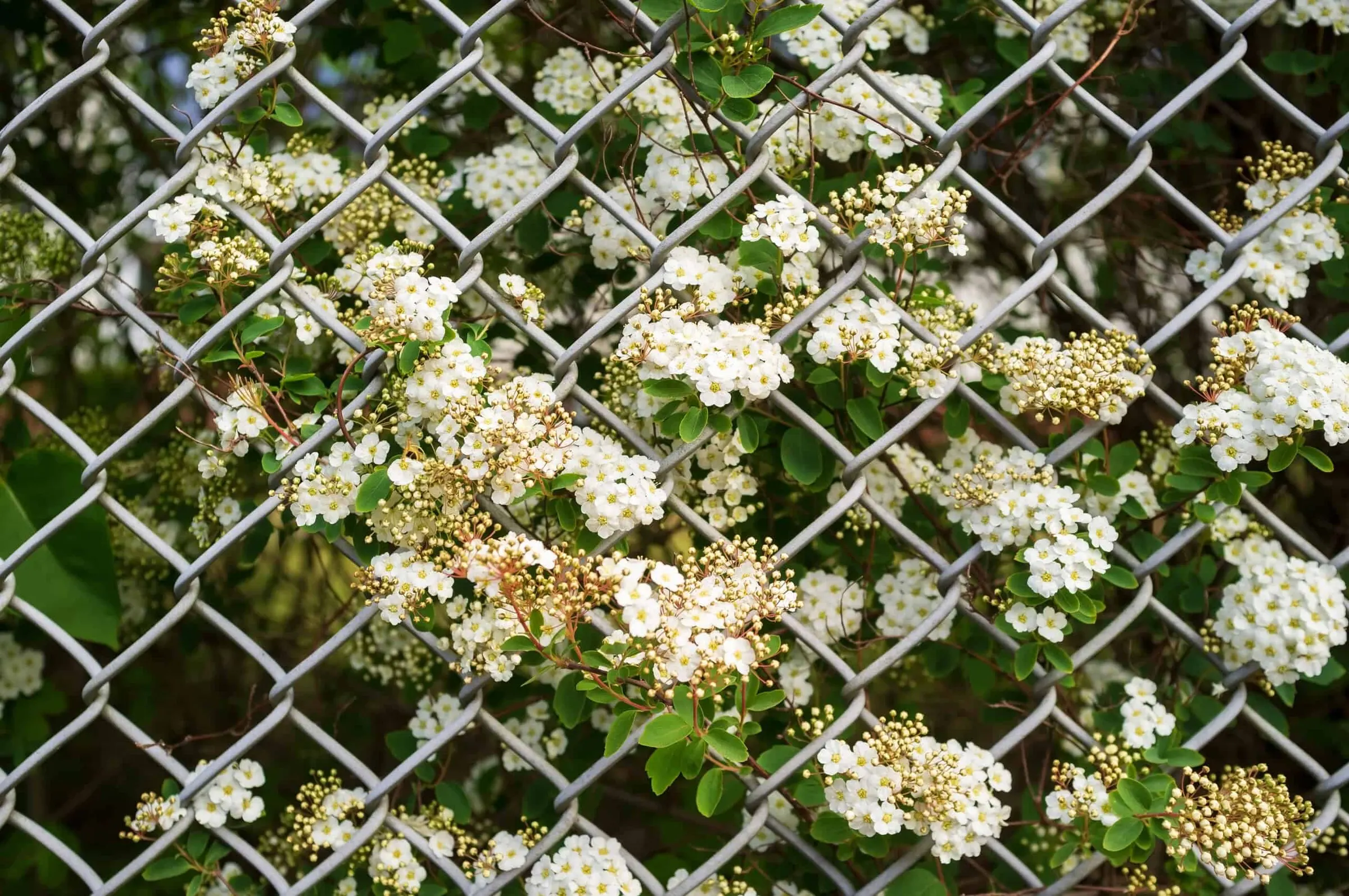
Chain Link Fences
Chain link vs wood fence—it’s a common dilemma for homeowners and businesses looking to install a new fence. At All County Fence and Gate, Inc., we’ve guided thousands of clients in choosing the ideal fencing solution that fits their style, budget, and security needs. In this comprehensive guide, we’ll break down the pros and cons of each option to help you make a confident, informed choice for your property.
Key Takeaways
- Chain link fences are more cost-effective and low-maintenance, ideal for security and large areas.
- Wood fences offer natural beauty and privacy but require more upkeep.
- Your decision should be based on budget, desired aesthetics, maintenance tolerance, and purpose.
- All County Fence and Gate, Inc. provides professional installation for both types of fences and can help you make the best choice for your property.
Purpose: Why Are You Installing a Fence?
Before choosing between a chain link or wood fence, let’s consider your primary purpose. Are you looking for:
- Security?
- Privacy?
- Curb appeal?
- Pet or child containment?
- Property boundary definition?
We always tell our clients: define the “why” before the “what.” Each type of fence excels in different areas, so identifying your main goal will narrow down your options significantly. It also pays to check whether your city or homeowners association limits fence height, material, or front-yard styles before you settle on a design. Our guide to HOA fence approval walks through that process.
Chain Link Fencing: The Practical Performer
Chain link fencing is often the go-to choice for those who value functionality, durability, and cost-effectiveness.
A chain link fence is a woven mesh of galvanized steel wire, called fabric, stretched between steel posts set in concrete. A top rail and a bottom tension wire keep the fabric taut. Heavier-gauge wire (a lower gauge number means thicker wire) and thicker posts cost more but resist bending and sagging better. Vinyl-coated fabric in black or green adds a second layer of corrosion protection and blends into landscaping more easily than bare metal.
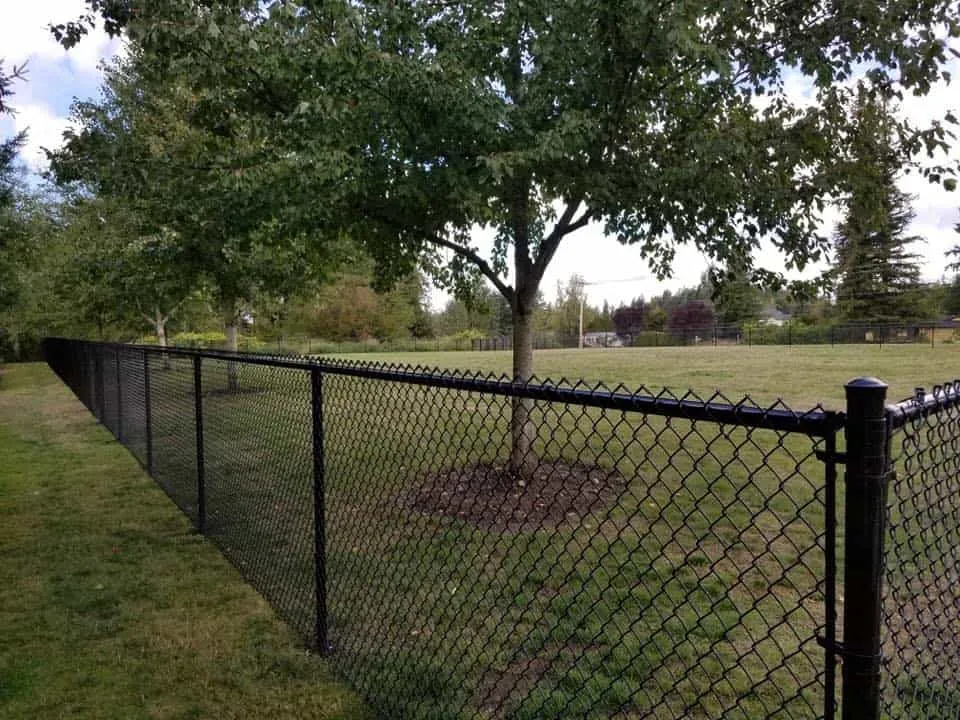
Pros of Chain Link Fencing:
Here are some of the top advantages of choosing chain link fencing:
- Affordable: Chain link fences are typically less expensive than wood, both in terms of materials and installation.
- Low Maintenance: No painting, staining, or sealing required. Just the occasional rinse with water.
- Durable: Resistant to pests, rot, and harsh weather conditions.
- Transparent: Allows visibility, which is ideal for properties where surveillance is important.
- Quick Installation: Fewer components and lighter materials make it faster to install.
Cons of Chain Link Fencing:
Here are some of the common disadvantages of chain link fencing:
- Limited Privacy: Its open weave design offers minimal privacy unless slats or privacy screens are added.
- Less Aesthetic Appeal: While functional, chain link doesn’t offer the warmth or charm of natural wood.
- Commercial Appearance: It may give a more industrial look to residential properties.
- Climbable: The diamond-shaped mesh gives a foothold, so a standard chain link fence is easier to climb than a solid wood fence.
Best Uses:
We often recommend chain link fencing for:
- Backyards where budget is a concern
- Schools and playgrounds
- Dog runs or animal enclosures
- Commercial properties
- Large perimeters
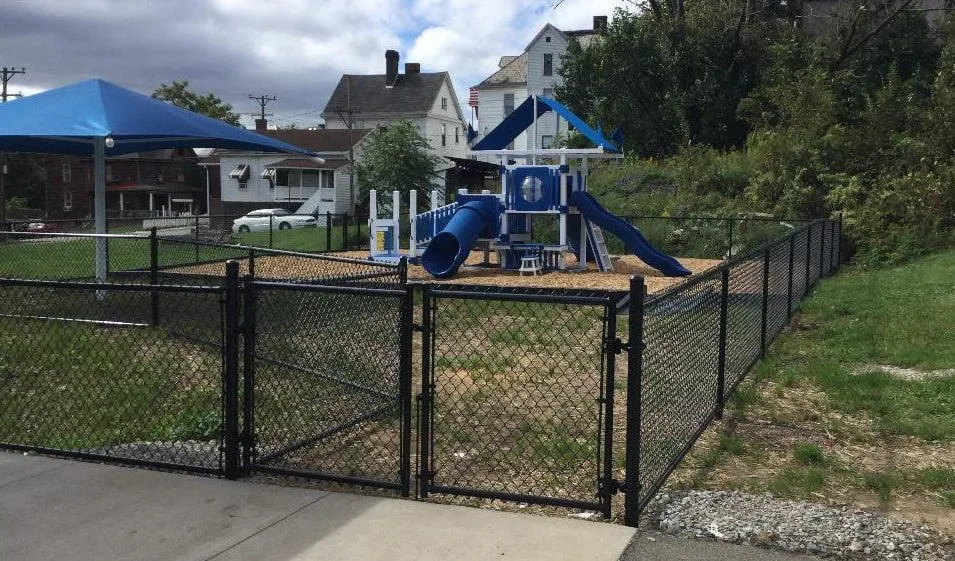
For a closer look at where this material shines, read about the benefits of installing a chain link fence, or see our commercial chain link pricing guide if you’re fencing a business property.
Wood Fencing: The Classic Beauty
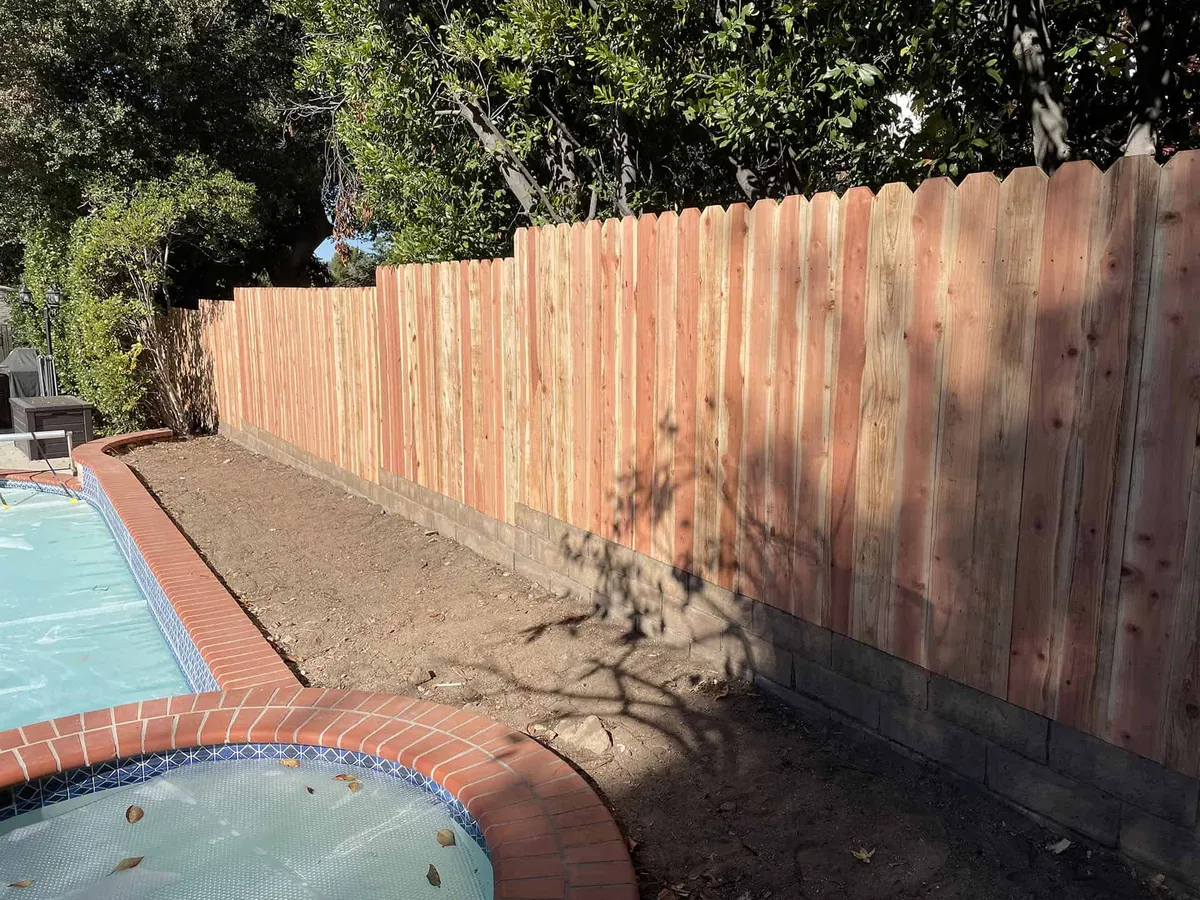
Wood fences are the timeless choice when privacy and aesthetics are at the top of your list. They offer a rich, warm look that complements many architectural styles.
Most residential wood fences are built from pressure-treated pine, cedar, or redwood, with boards or pickets fastened to horizontal rails between posts set in concrete. Popular styles include solid-board privacy fences, board-on-board and shadowbox designs that overlap boards to close the gaps, dog-ear and picket fences, and modern horizontal slat fences. If you’re weighing species, compare pressure-treated pine and cedar before you request quotes.
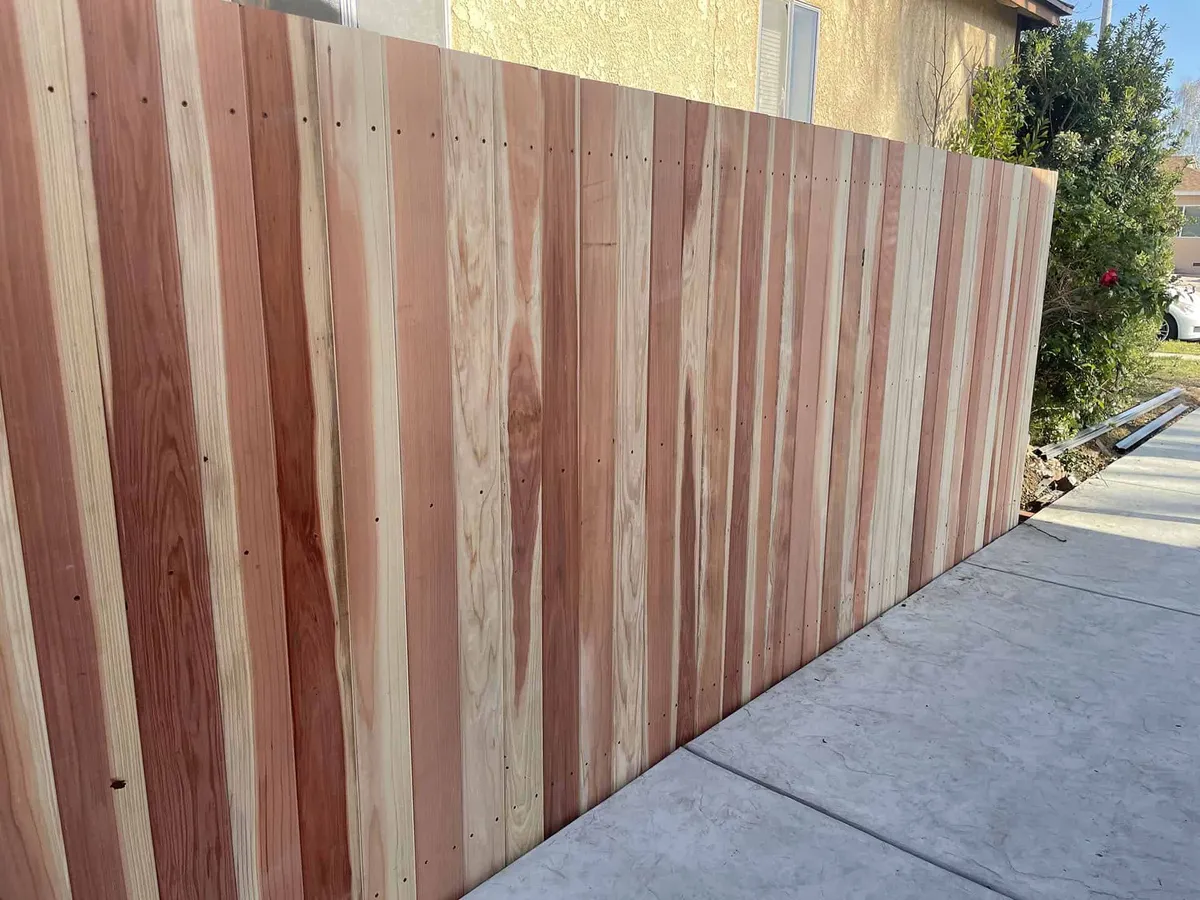
Pros of Wood Fencing:
Here are some of the key advantages of wood fencing:
- Excellent Privacy: Solid panels can fully enclose your yard, offering maximum privacy.
- Natural Beauty: Few fencing materials match the visual appeal of real wood.
- Customizable: From height to style (picket, lattice, ranch rail), wood fences offer a wide range of customization.
- Increases Property Value: A well-maintained wood fence can enhance curb appeal and even property value.
Cons of Wood Fencing:
Here are some common drawbacks of wood fencing to keep in mind:
- Higher Maintenance: Wood requires regular staining, painting, or sealing to prevent rot and insect damage.
- Higher Initial Cost: Generally, more expensive upfront compared to chain link.
- Weather Sensitive: Wood is susceptible to moisture, warping, and termites if not maintained properly.
Best Uses:
At All County Fence and Gate, we recommend wood fencing for:
- Front yards with a focus on curb appeal
- Backyards needing full privacy
- Garden borders
- Pool enclosures (with proper treatment and a design that meets pool fence code requirements)
- Properties in residential neighborhoods
Cost Comparison: Chain Link vs Wood
For most projects, chain link is the lower-cost option. Its materials cost less per linear foot, and the lighter components take less labor to install. A wood privacy fence uses more material for every foot of fence line (posts, rails, and boards), and the price rises with the species: pressure-treated pine is usually the most affordable wood, while cedar and redwood cost more.
Height and style matter for both. A 6-foot privacy fence costs more than a 4-foot fence of the same material, and adding privacy slats, vinyl coating, or heavier-gauge fabric narrows the gap between chain link and wood. Gates, removal of an old fence, permits, and sloped ground add to either estimate.
When you compare quotes, ask each fence contractor to price the same height, length, and number of gates so the cost per linear foot is a fair comparison. Then factor in upkeep over the life of the fence: wood needs periodic staining or sealing, while chain link needs little beyond cleaning.
Maintenance Comparison
Here’s the truth: chain link is a set-it-and-forget-it option, while wood fencing needs regular attention.
- Chain Link Maintenance: Occasional cleaning and rust checks. That’s it.
- Wood Maintenance: Stain or paint every 2-3 years, inspect for rot, and replace boards as needed.
If you’re not the DIY type or don’t want ongoing upkeep, chain link is a better fit. If you don’t mind the work, or hire us for regular maintenance, wood can be worth the effort. Our guide on how to maintain your wood fence covers the routine in detail.
Lifespan and Durability
With proper care:
- Chain link fences can last 15-25 years or more.
- Wood fences, depending on the type of wood and maintenance, usually last 10-20 years.
Cedar and redwood are more durable than pine, but also more costly. Galvanized (zinc-coated) or vinyl-coated chain link resists rust and corrosion, making it an excellent long-term choice. Sun, moisture, and soil contact all shorten a wood fence’s life; learn how long a wood fence lasts and how climate affects wood fences.
Aesthetic Preferences
There’s no denying that wood fences offer more design flexibility. Whether it’s a traditional white picket fence or a modern horizontal slat design, wood gives you options. Chain link, however, can be dressed up with:
- Privacy slats
- Vinyl coating (black or green)
- Decorative posts or caps
Still, if style is your top concern, wood often wins that battle.
Environmental Impact
Here’s how they compare in terms of sustainability and ecological footprint:
- Wood fencing, especially from sustainably sourced timber, is a renewable resource but may require chemical treatments.
- Chain link fencing is made from recyclable metal and has a longer lifespan but a higher manufacturing impact.
Looking for a green option? Ask us about eco-friendly materials and treatments.
Installation Time
Chain link typically takes 1-2 days to install, depending on the size of the area. Wood can take 2-4 days or more due to heavier materials and detailed construction. Both start the same way, with post holes dug and posts set in concrete, so underground utilities should be marked before any digging. Our skilled team at All County Fence and Gate will work efficiently to minimize disruption.
Security Considerations
While both fence types offer a level of security:
- Chain link allows visibility, but is easier to climb.
- Wood blocks views and is harder to breach, offering more privacy-based security.
We can enhance either option with features like:
- Gates with locks
- Height extensions
- Privacy screens
- Reinforced posts
If security is your main goal, see how to choose the best security fence for home defense.
Final Verdict: Which Fence Is Best for You?
There’s no one-size-fits-all answer—it truly depends on your goals. Here’s a quick summary:
| Feature | Chain Link Fence | Wood Fence |
|---|---|---|
| Cost | Lower | Higher |
| Privacy | Low (higher with slats) | High |
| Maintenance | Minimal | Moderate to high |
| Aesthetics | Industrial/functional | Natural/customizable |
| Lifespan | 15–25 years | 10–20 years |
| Security | Good | Better with full panels |
| Installation time | 1–2 days | 2–4 days or more |
If you’re unsure, that’s where we come in. At All County Fence and Gate, we’ve built hundreds of fences, helping families and businesses select the right material, style, and budget combination.
Let’s Build Your Fence the Right Way
Still debating between a chain link and a wood fence? Give us a call at 818-720-3316. Our team at All County Fence and Gate will guide you every step of the way—from design and material selection to installation and maintenance.
We’re not just contractors; we’re your partners in building a safe, beautiful, and functional outdoor space. Let’s make your fence a lasting investment.
Contact All County Fence and Gate today for a consultation and personalized fencing quote!
Frequently Asked Questions
1. Can you make a chain link fence more private?
Yes. Privacy slats woven through the mesh, privacy screen fabric attached to the fence, or climbing plants all block more of the view. Slats and screens reduce visibility a great deal but rarely block it completely, so choose a solid wood fence if full privacy is the priority.
2. Is chain link or wood better for dogs?
Both can contain dogs when the height and bottom edge suit the animal. Chain link lets a dog see out, which can mean more barking at passersby, while a solid wood fence blocks the view. For jumpers and diggers, the right height and a tight fit at ground level matter more than the material; see how to choose the right dog fence height.
3. Do I need a permit for a chain link or wood fence?
It depends on your city and on the fence’s height and location, not usually on the material. Check with your local building or planning department, and your HOA if you have one, before installation. A licensed contractor can confirm what applies at your address.