
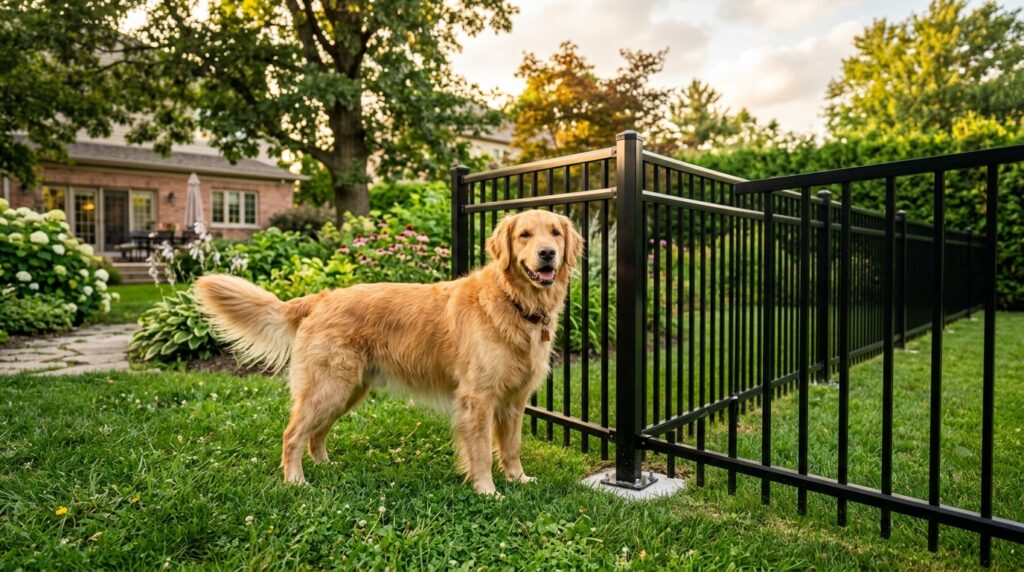
How To Choose The Perfect Dog Fence Height For Your Breed
Choosing the right enclosure for your backyard is about more than just aesthetics; it is the primary line of defense for your pet’s safety. Determining the ideal dog fence height recommendations requires a careful balance of your dog’s breed, size, and innate athletic ability. A barrier that works for a low-energy bulldog will likely fail against the vertical leap of a motivated German Shepherd.
Effective containment has evolved to blend physical structures with smart technology and behavioral design. While the traditional “3x rule” suggests a fence should be three times the length of your dog, high-energy jumpers often require additional height to prevent an easy escape. Selecting the right dimensions ensures your companion remains secure while enjoying the freedom of your outdoor space.
Key Takeaways
- Calculate the ideal fence height using the ‘3x rule,’ which dictates the barrier should be at least three times the length of the dog from nose to tail to prevent clearing the top rail.
- Match fence height to breed size and energy levels, utilizing a minimum of three to four feet for small dogs, five feet for medium breeds, and a six-to-eight-foot gold standard for large athletes and high-energy working breeds.
- Incorporate anti-climb features like smooth vinyl materials, coyote rollers, or inward-curving toppers to prevent athletic dogs from scrambling up or gaining leverage on the fence surface.
- Enhance physical perimeters with a multi-layered security approach that includes smart technology, such as GPS collars and gate sensors, and visual barriers to reduce the environmental triggers that motivate escapes.
Essential Fence Height Guidelines By Breed Size
Selecting the ideal fence height is a critical decision that balances property aesthetics with pet safety and security. For small breeds weighing under 25 pounds, a three foot barrier is often the minimum, but a four foot fence provides a necessary buffer against unexpected leaps. Medium sized dogs usually require a five foot perimeter to account for their increased reach and energy levels during play. For large or extra large breeds, a six foot fence is the industry gold standard for preventing escapes. High energy athletes like German Shepherds or Huskies may even require custom extensions reaching up to eight feet to ensure they remain safely contained within the yard.
To determine the most effective height for a specific dog, many professionals recommend applying the 3x rule of vertical safety. This guideline suggests that a fence should be at least three times the total length of the dog to account for full extension during a jump. By measuring a pet from the tip of the nose to the base of the tail, owners can calculate a precise height that eliminates the risk of clearing the top rail. This formula is especially helpful for owners of athletic mixed breeds where standard height charts might not fully capture physical capabilities. Investing in a height based on this technical calculation ensures the fencing solution is a permanent fix rather than a temporary barrier.
Choosing the right technical specifications now prevents the costly mistake of having to retrofit or replace an inadequate fence later. Beyond simple height, owners should consider a dog’s temperament and whether they are prone to climbing or jumping when stimulated by outside distractions. A professional grade fence tailored to a breed’s specific size and athletic profile offers the ultimate peace of mind. By matching these height recommendations with high quality materials, owners create a secure environment that allows pets to enjoy the outdoors without constant supervision. Requesting a custom quote based on these dimensions is the best way to guarantee a perfect fit for the home and the dog.
Managing High Jumpers And Athletic Working Breeds
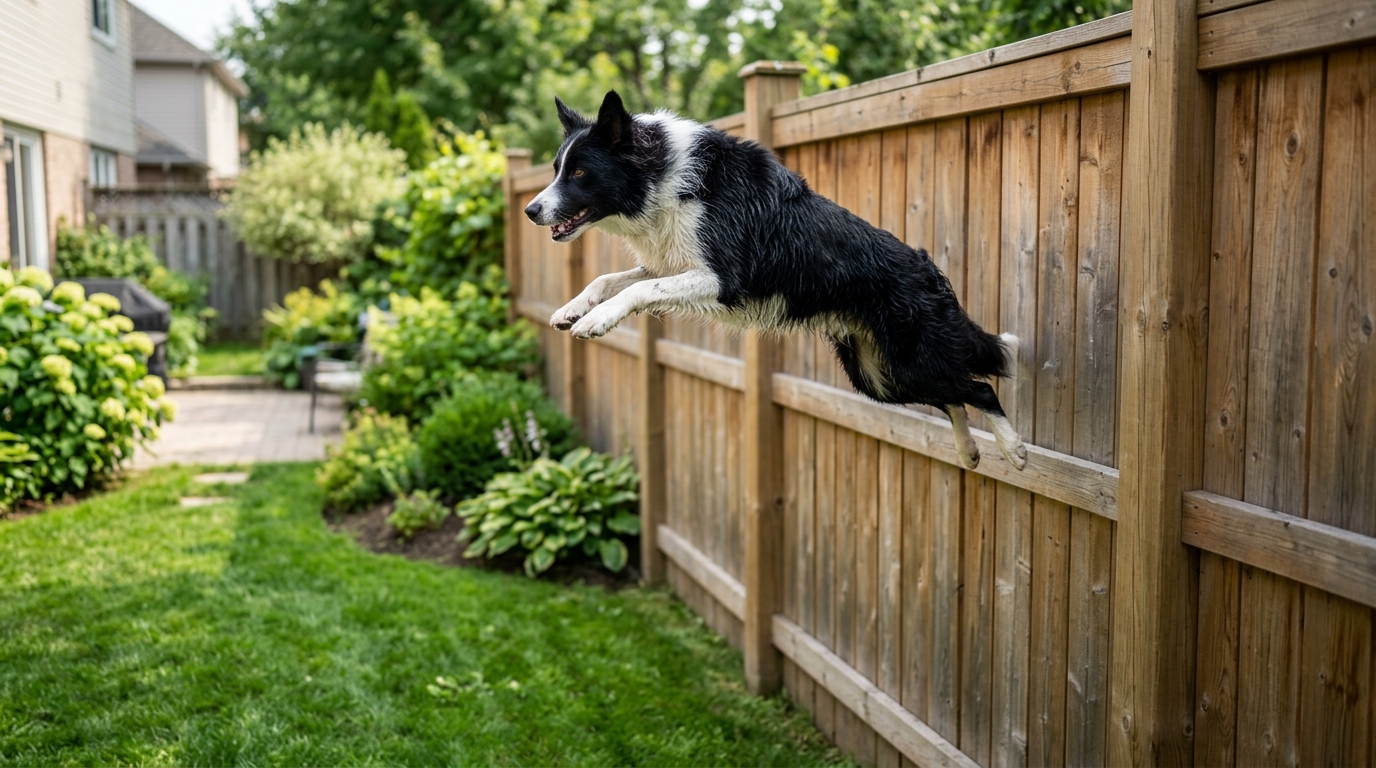
For high-energy working breeds like Siberian Huskies and Belgian Malinois, a standard four or five foot fence is often little more than a minor hurdle. These agile dogs possess incredible vertical leap and a natural drive to explore, meaning they require specialized perimeter solutions to ensure their safety. When managing a breed known for its athleticism, experts generally recommend a minimum height of six feet, though eight feet is often the gold standard for true escape artists. Investing in this extra height from the start prevents the stress of a lost pet and the added cost of retrofitting an inadequate structure later.
The challenge with athletic breeds is not just their jumping height, but also their ability to use the fence as a climbing aid. Many working dogs can scramble up chain link or textured wood surfaces, effectively walking their way to the top of a six foot barrier. To combat this, property owners often choose smooth-surfaced materials like vinyl or high-grade aluminum that offer no paw-holds for climbing. Supplementing a tall fence with a lean-in or coyote roller at the top can also provide that extra layer of security needed for dogs with an intense prey drive.
When securing a property, choosing the right specifications depends heavily on the dog’s specific temperament and physical capabilities. A customized approach ensures that the investment provides a permanent solution rather than a temporary fix that a dog will eventually outsmart. By matching the technical specifications of the fence to the known traits of the breed, owners create a worry-free environment where pets can exercise safely. Professional advice can help determine if a six or eight foot height is necessary to meet the unique demands of a high-jumping companion.
Factors Beyond Height For Total Fence Security
While height provides a foundational layer of protection, truly secure containment requires addressing the clever ways athletic breeds bypass vertical barriers. Many high energy dogs do not simply jump over a fence, but instead use momentum to scramble up the surface or utilize paw-holds to climb like a ladder. To counter this, savvy pet owners are increasingly integrating anti-climb features such as coyote rollers or inward-curving toppers that disrupt a dog’s grip and balance. These physical modifications ensure that even if a dog has the vertical reach to touch the top, they cannot gain the necessary leverage to pull themselves over. Investing in these specialized additions transforms a standard perimeter into a sophisticated security system tailored for escape artists.
Modern containment strategies also leverage smart technology to provide real-time monitoring and peace of mind. Integrating GPS collars and gate sensors allows owners to receive instant notifications on a mobile device if a breach is detected or a gate is left ajar. These digital safeguards act as a secondary fail-safe, filling the gaps that physical fencing alone might leave open during a momentary lapse in supervision. By combining a breed-specific height with these intelligent alerts, owners create a comprehensive safety net that adapts to pet behavior. This multi-layered approach is the most effective way to ensure an investment provides long-term security for a specific breed.
Beyond the physical structure, the design of the fence should account for the psychological and behavioral triggers that motivate a dog to escape. Solid privacy panels can reduce visual stimuli, such as passing squirrels or pedestrians, which often serve as the primary motivation for a dog to attempt a high jump. If a dog is a fence runner, installing a secondary interior border or strategic landscaping can prevent them from gaining the running start needed to clear a six-foot barrier. Selecting the right combination of height, material, and technology requires a professional eye to ensure the technical specifications match a dog’s unique athletic profile. Consulting with an expert to receive a custom quote ensures that every vulnerability is addressed before a pet even has the chance to test the limits.
Choosing the Best Fence Height for Your Dog
Ultimately, selecting the right fence height is about more than just matching a measurement to a dog’s breed. It is about creating a secure environment where pets can explore their natural instincts without the risk of escaping or encountering external dangers. By prioritizing technical specifications like the three times rule and considering specific athletic capabilities, owners provide themselves with lasting peace of mind. A well planned barrier ensures that a backyard remains a sanctuary rather than a source of constant worry.
Investing in a professionally specified fence height allows for a property tailored to the unique temperament of a canine companion. Whether managing a high jumping Belgian Malinois or a smaller breed with a curious spirit, the correct dimensions act as a reliable deterrent against wandering. These standards represent the best practices for modern pet ownership, blending physical security with a dog’s need for freedom. Reviewing a vinyl vs wood cost analysis can help determine which material offers the best long-term value for your home while meeting these safety requirements. Choosing the right height today prevents future headaches and guarantees a safe, restricted roaming area for years to come.
Frequently Asked Questions
1. What is the 3x rule of vertical safety for dog fences?
The 3x rule is a professional guideline stating that a fence should be at least three times the total length of the dog. To calculate this, measure the pet from the tip of the nose to the base of the tail and multiply that number by three to find the ideal height.
2. What is the minimum fence height for a small dog breed?
For dogs weighing under 25 pounds, a three foot barrier is the absolute minimum. However, installing a four foot fence provides a necessary safety buffer against unexpected leaps or high energy bursts.
3. How high should a fence be for a medium sized dog?
Medium sized dogs typically require a five foot perimeter to remain secure. This height accounts for increased reach and the higher energy levels often displayed during outdoor play.
4. What is the standard fence height for large or extra large breeds?
A six foot fence is the industry gold standard for large and extra large breeds. This height is generally effective at preventing escapes for most standard sized dogs while maintaining property security.
5. What should I do if I have a high energy athlete like a Husky or German Shepherd?
High energy athletes often require custom solutions that go beyond standard heights. Consider fence extensions reaching up to eight feet to ensure these powerful jumpers remain safely contained within the yard.
6. Why is breed size alone not enough to determine fence height?
Breed size must be balanced with innate athletic ability and energy levels. A barrier that works for a low energy bulldog will likely fail against the vertical leap of a motivated German Shepherd, necessitating a more robust height choice.
7. Can I use technology to help with dog containment?
Effective containment has evolved to blend physical structures with smart technology and behavioral design. Integrating these modern tools with a physical fence ensures a companion remains secure while enjoying the freedom of the backyard.