
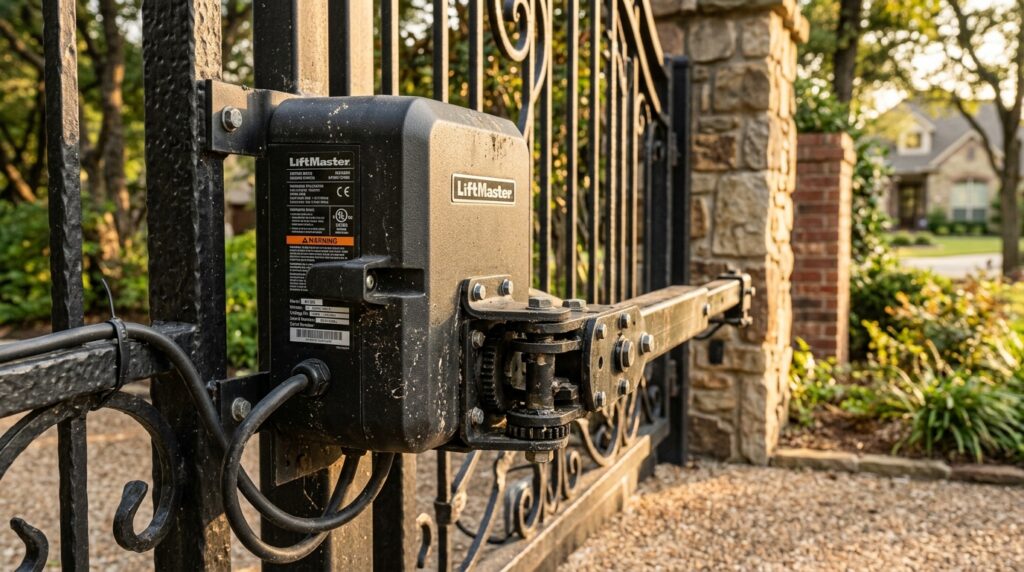
How Long Do Electric Gate Openers Last
When you invest in home security and convenience, the question of electric gate opener lifespan becomes a critical factor in your long-term property planning. On average, a modern unit serves a property for 10 to 15 years, though high-end systems can push past the two-decade mark with the right care. Understanding these timelines helps you anticipate when to transition from simple maintenance to a full system upgrade.
Recent advancements in 2024–2026 have introduced brushless motors and smart diagnostics that are fundamentally changing how we measure durability. While residential systems are built for roughly 100,000 cycles, environmental stressors like salt air or extreme humidity can significantly accelerate wear and tear. Knowing how to balance technological upgrades with mechanical upkeep ensures your gate remains a reliable guardian of your driveway for years to come.
Key Takeaways
- Residential gate openers typically last 10 to 15 years, while commercial units reach their mechanical limit in 7 to 10 years due to higher traffic volumes.
- Transitioning to modern brushless DC motor technology significantly extends system durability by reducing internal friction and heat compared to traditional brushed motors.
- The ‘power buffer rule’ requires selecting a motor with a weight capacity 30% to 50% higher than the gate’s actual weight to prevent premature burnout and mechanical fatigue.
- Environmental stressors like salt air and improper installation can reduce a system’s lifespan by up to 40%, making full replacement more cost-effective than repairing units over eight years old.
Average Lifespan Expectations For Residential And Commercial Motors
For most homeowners, a standard residential gate opener is designed to provide reliable service for roughly 10 to 15 years. These units are typically engineered for low-cycle usage, meaning they handle a few openings and closings per day without significant mechanical strain. While traditional brushed motors have been the industry standard, the transition toward brushless DC motor technology in 2025 is significantly reducing internal friction and heat. This shift means that modern residential systems are now more likely to reach that 15 year milestone with fewer mid-life repairs. If your current motor is approaching the decade mark and showing signs of sluggishness, it may be time to weigh the cost of a temporary fix against the long-term efficiency of a new installation.
Commercial grade motors operate under much higher stress and usually see a shorter lifespan of 7 to 10 years due to constant traffic. These systems are built to handle hundreds of thousands of cycles, but the sheer volume of movement eventually wears down even the most robust mechanical components. High-traffic environments benefit immensely from newer brushless DC motors because they lack the physical brushes that typically erode over time. Investing in a full system replacement often makes more financial sense for commercial properties than frequent, costly repairs on an aging unit. Upgrading to a modern motor not only ensures better uptime but also integrates smarter diagnostic tools that help prevent total system failures.
Determining whether to repair or replace your gate operator often comes down to where it sits on its expected lifecycle. Beyond the motor itself, environmental factors like high humidity or coastal salt air can accelerate the degradation of internal electronics and housing. If your system is already eight years old and facing a major component failure, a replacement often provides better value by resetting the clock on your warranty and reliability. New models offer superior energy efficiency and faster opening speeds, making them a worthwhile investment over patching up an outdated system. Choosing a high-quality motor today ensures that you won’t be dealing with the same mechanical headaches just a few years down the road.
Environmental Stressors And Installation Errors That Shorten Life
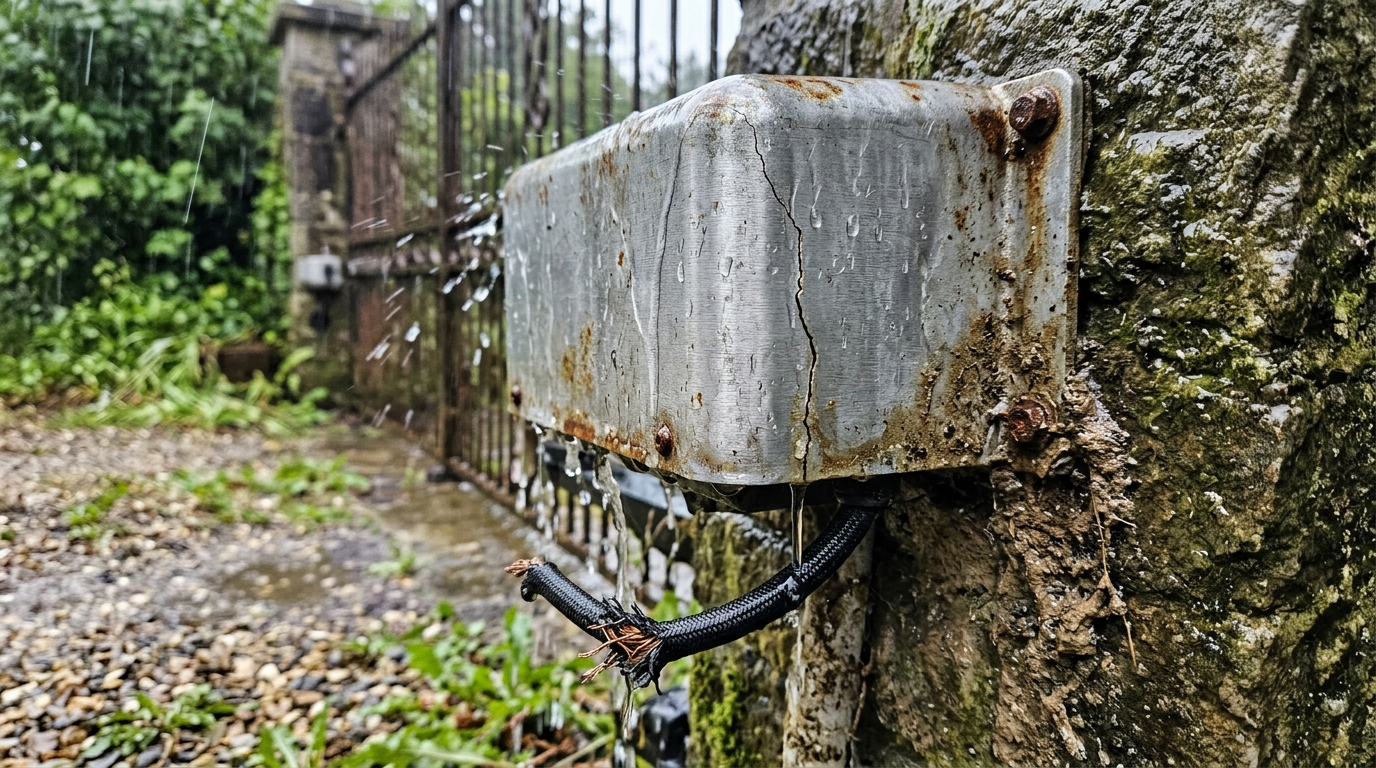
Environmental factors often act as silent killers for gate automation systems, significantly accelerating the wear on internal components. In coastal regions, salt air can lead to rapid corrosion of electrical contacts and gear assemblies, while extreme temperature fluctuations cause metal components to expand and contract. These stressors can reduce a motor’s functional life by up to 40 percent, often turning a 15 year investment into a 7 year headache. When a system begins to struggle under these conditions, homeowners must decide if the cost of repeated part replacements outweighs the value of a modern, weather-sealed unit. Investing in a new installation with a brushless DC motor often proves more cost-effective than attempting to revive a system deeply compromised by environmental decay.
Installation errors and poor gate geometry create mechanical strain that no amount of maintenance can fully overcome. If a gate is misaligned or the hinges are dragging, the opener must work twice as hard to complete a single cycle, leading to premature motor burnout. This constant overexertion bypasses the standard 100,000 cycles expectancy, causing critical failures much earlier than the manufacturer intended. When you are faced with a motor that hums but fails to move the gate, it is often a sign that the mechanical load has exceeded the unit’s capacity. At this stage, a professional assessment is vital to determine if a full system replacement is the smarter financial move to ensure long term reliability.
The Power Buffer Rule For Preventing Motor Burnout
One of the most common reasons electric gate openers fail long before their fifteen year potential is the constant strain of operating at maximum capacity. To maximize your investment, you should implement the power buffer rule by selecting a motor with a weight capacity thirty to fifty percent higher than your gate’s actual weight. When a motor is forced to push its absolute limit every single cycle, the internal components experience rapid heat buildup and friction. This extra overhead acts as a safety margin, ensuring the hardware is never truly stressed during standard operation. Choosing a more robust system from the start is often more cost effective than dealing with the frequent repairs caused by an undersized unit.
If you are currently debating whether to repair an aging motor or invest in a full system replacement, the power buffer rule should be your primary guide. Many older installations fail prematurely because they were fitted with motors that just barely met the weight requirements of the gate. Upgrading to a modern, higher capacity motor not only extends the lifespan of the hardware but also provides smoother operation and better resistance to wind resistance or minor track obstructions. Investing in a more powerful system today prevents the cycle of burnout that plagues underpowered units. This proactive approach ensures your entrance remains functional for the next decade without the looming threat of mechanical fatigue.
Signs It Is Time To Replace Your Aging Gate Operator
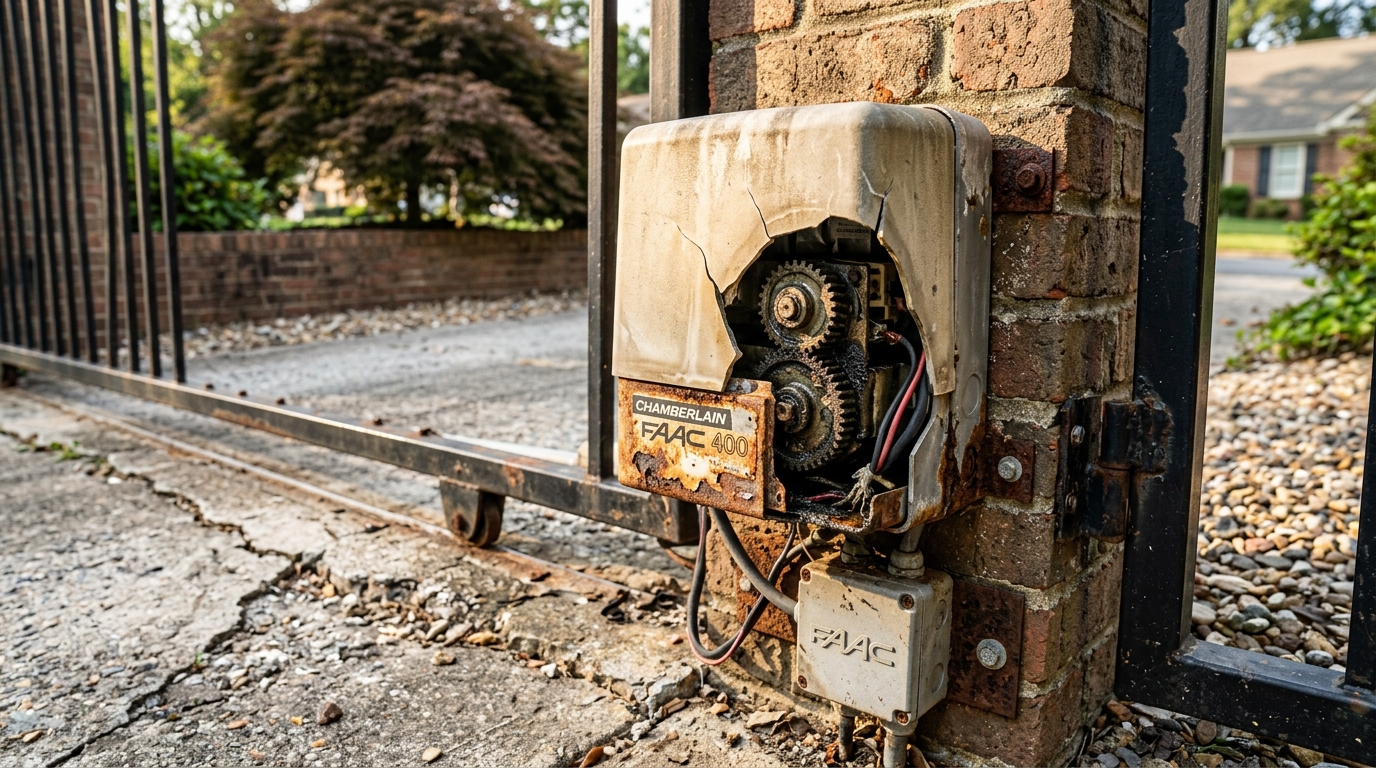
Deciding whether to sink more money into a decade old gate operator or invest in a new system is a common dilemma for property owners. While traditional mechanical units were built for durability, the electric gate repair cost for specialized replacement parts for discontinued models often approaches the price of a modern installation. If you find yourself scheduling service calls more than once a year or noticing a significant decrease in opening speed, the mechanical integrity of your motor is likely compromised. At this stage, the cumulative cost of minor repairs usually outweighs the long term value of a fresh, warrantied system.
The transition from older gear driven motors to modern brushless DC technology represents a significant leap in both reliability and functionality. Modern operators manufactured between 2024 and 2026 offer superior energy efficiency and smoother operation that reduces wear on the gate hinges themselves. Beyond simple movement, these newer systems integrate seamlessly with smart home platforms and high definition video entry systems. Upgrading allows you to move away from temperamental remote controls toward secure, smartphone based access that provides real time alerts and better perimeter security.
Environmental factors and usage cycles eventually dictate when an aging operator has reached its economic limit. Residential units typically begin to show signs of terminal fatigue after 100,000 cycles, especially in climates with high humidity or salt air that accelerates internal corrosion. When a motherboard fails or a motor winding shorts out on a unit past the ten year mark, a full replacement is almost always the more financially sound path. Choosing a contemporary system ensures you benefit from the latest safety sensors and battery backup capabilities that older models simply cannot support.
When to Repair vs. Replace Your Gate Opener
Determining whether to repair an aging gate opener or invest in a new system often comes down to the unit’s age and current technology. While a well maintained residential motor can last up to 15 years, units approaching the decade mark frequently face declining mechanical efficiency and outdated safety features. If you find yourself frequently replacing batteries every few years or dealing with worn brushes in an older motor, the cumulative cost of these quick fixes can quickly rival the price of a full replacement. Modern systems now utilize brushless DC motors that eliminate many traditional wear points, offering a much higher return on investment for homeowners looking for long term reliability.
Choosing a professional installation for a new gate opener provides more than just a fresh warranty and updated hardware. Today’s smart technology integrations allow for better monitoring and remote access, features that older systems simply cannot support without expensive and clunky modifications. For those seeking energy independence, you might wonder is a solar gate opener worth the investment for your specific property layout. Investing in a high quality, professional grade system ensures that the motor is correctly matched to your gate’s weight and environmental stresses like coastal salt air or extreme humidity. Rather than chasing temporary repairs on an expiring system, a full upgrade secures your property with the latest 2025 performance standards and significantly reduces the likelihood of unexpected failures.
Frequently Asked Questions
1. How long will my electric gate opener typically last?
You can expect a modern residential gate opener to last between 10 and 15 years on average. High end systems that receive consistent professional care can often exceed 20 years of reliable service.
2. How many times can a gate open and close before the motor fails?
Most residential systems are engineered to handle approximately 100,000 cycles throughout their functional life. If you use your gate more frequently than the average household, you may reach this mechanical limit sooner than the 15 year mark.
3. Do commercial gate openers last longer than residential ones?
Commercial motors actually have a shorter lifespan of 7 to 10 years because they endure much higher traffic volumes. While they are built with more durable components, the constant daily usage causes internal parts to wear down faster than home systems.
4. How do new technologies like brushless motors affect durability?
The shift toward brushless DC technology significantly reduces internal friction and heat, which are the primary causes of motor failure. These modern systems are more likely to reach the upper end of lifespan estimates with fewer mechanical repairs required.
5. Can my local environment shorten the life of my gate system?
Environmental stressors like extreme humidity or salt air in coastal regions can accelerate corrosion and wear on your hardware. You must perform more frequent maintenance in these areas to prevent the elements from cutting your system’s lifespan in half.
6. When should I replace my motor instead of repairing it?
If your motor is over 10 years old and begins showing signs of sluggishness, a full replacement is often more cost effective than a temporary fix. Upgrading at this stage allows you to benefit from modern smart diagnostics and improved energy efficiency.