
Chain link,
galvanised right
The most cost-effective way to secure a boundary. Gauge, mesh size and post spacing are what separate a fence that lasts from one that sags in a year.
22 years
Same owner, same crew, since 2004
CSLB 952680
Licensed, bonded and insured
UL 325
Tested to ASTM F2200 at handover
Permits
LADBS & HOA review handled
Gauge and coating do the work
Chain link is specified by wire gauge, mesh opening and coating, and those three decide almost everything. Residential 11½ gauge is fine for a back boundary; anything commercial, or anything a dog leans on daily, wants 9 gauge. Lower number, thicker wire.
Galvanised-after-weaving lasts substantially longer than galvanised-before, because the cut ends get coated too. Black or green vinyl over galvanised core costs a little more, visually disappears against planting, and is what most residential clients actually want once they see the two side by side.
Fabric tension is what separates a taut fence from a sagging one
Chain link fabric is stretched with a tension bar and a come-along before it is tied off, not simply unrolled and clipped to the posts. A run installed without proper tensioning looks fine on day one and develops visible waves within a season as the mesh settles under its own weight and wind load.
Tension wire along the bottom and top of the run does the same job between line posts that the terminal-post tension does at the ends — a small material cost that is the difference between a fence that stays tight for decades and one that needs re-tensioning within a few years.
Gate hardware on a chain link run
A chain link gate is a welded steel frame with fabric inset, not simply fabric stretched between two posts — and the hinge and latch posts get the same oversized treatment as any other fence gate: bigger pipe and more concrete, because the gate is the one part of the run that moves.
Drop rods, gravity latches or a keyed lock all mount to that same welded frame, so the hardware decision gets made before the frame is welded, not bolted on afterward as an afterthought.
When commercial spec makes sense on a residential job
Nine-gauge fabric and a bottom rail cost more than the standard residential spec, and they are worth it wherever a dog leans on the fence daily, where the fence doubles as a security boundary rather than a simple property marker, or on any run that will see more wear than a typical back yard.
We will say plainly when the standard residential grade is genuinely enough for the site, rather than defaulting every quote to the heavier spec because it is easier to sell.
Chain link and landscaping work together, if planned for it
Chain link’s biggest practical advantage over a solid fence is that climbing plants and hedges can grow through or along it without the fence itself needing to do any of the screening work. A vine trained along a chain link boundary for a season or two often ends up more private than a slatted retrofit would have been, at a fraction of the cost.
Where privacy is wanted sooner than planting can deliver it, slats bridge the gap and can be removed later if the landscaping takes over — one of the only fence types where the privacy solution is not a permanent, one-time decision.
Common configurations
- 01
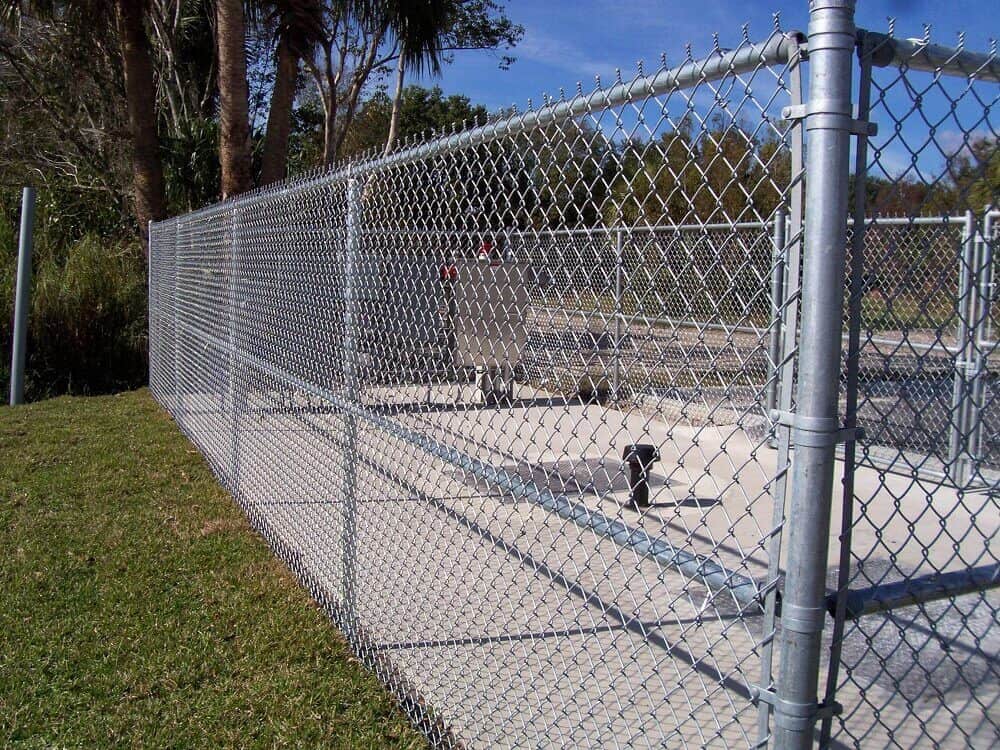
Residential galvanised
The standard back-boundary fence. Cheapest per foot of anything we install, and quick to put up over long runs.
- 02
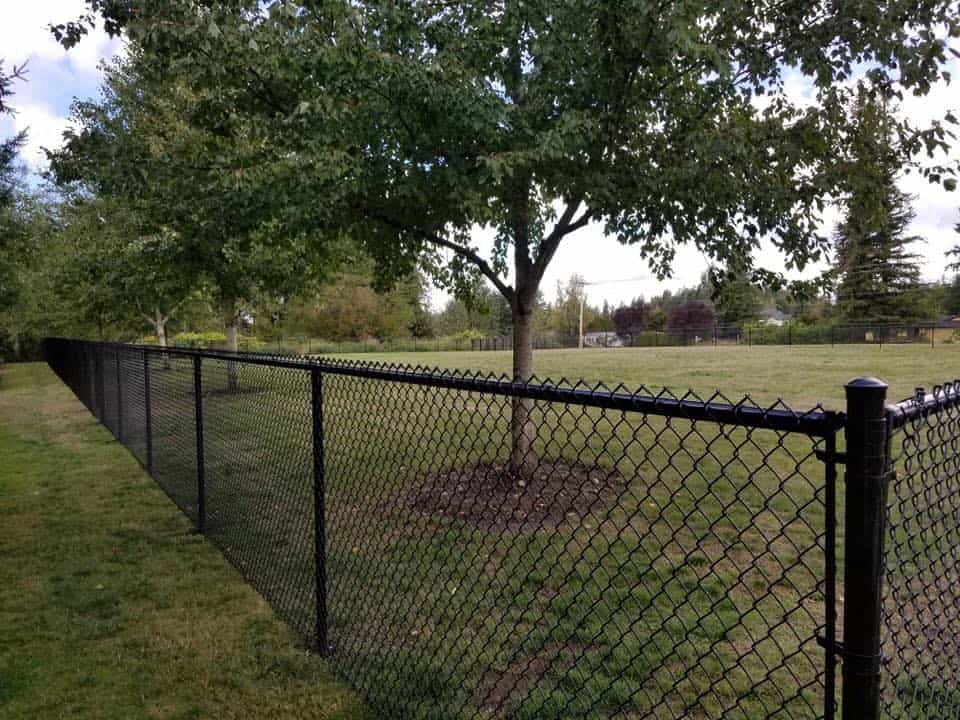
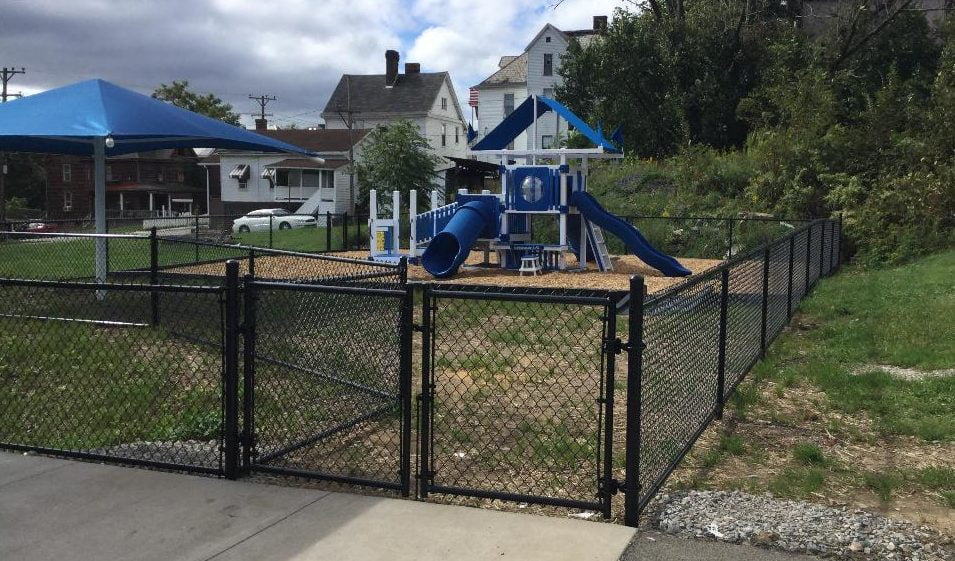
Black Vinyl-Coated
Galvanised core with a bonded vinyl skin. Visually recedes against planting instead of glinting, and the coating adds corrosion life.
- 03
Commercial security
9 gauge, taller, tighter mesh, with a bottom rail or tension wire. For yards, sites and anywhere the fence is the actual security layer.
- 04
Privacy slatted
Vertical slats woven through the mesh. Buys privacy without the cost of a solid fence, but adds wind load — posts get sized for it.
Chain link fence we have built
-
 Galvanised, Residential
-
 Long Run, Line Posts
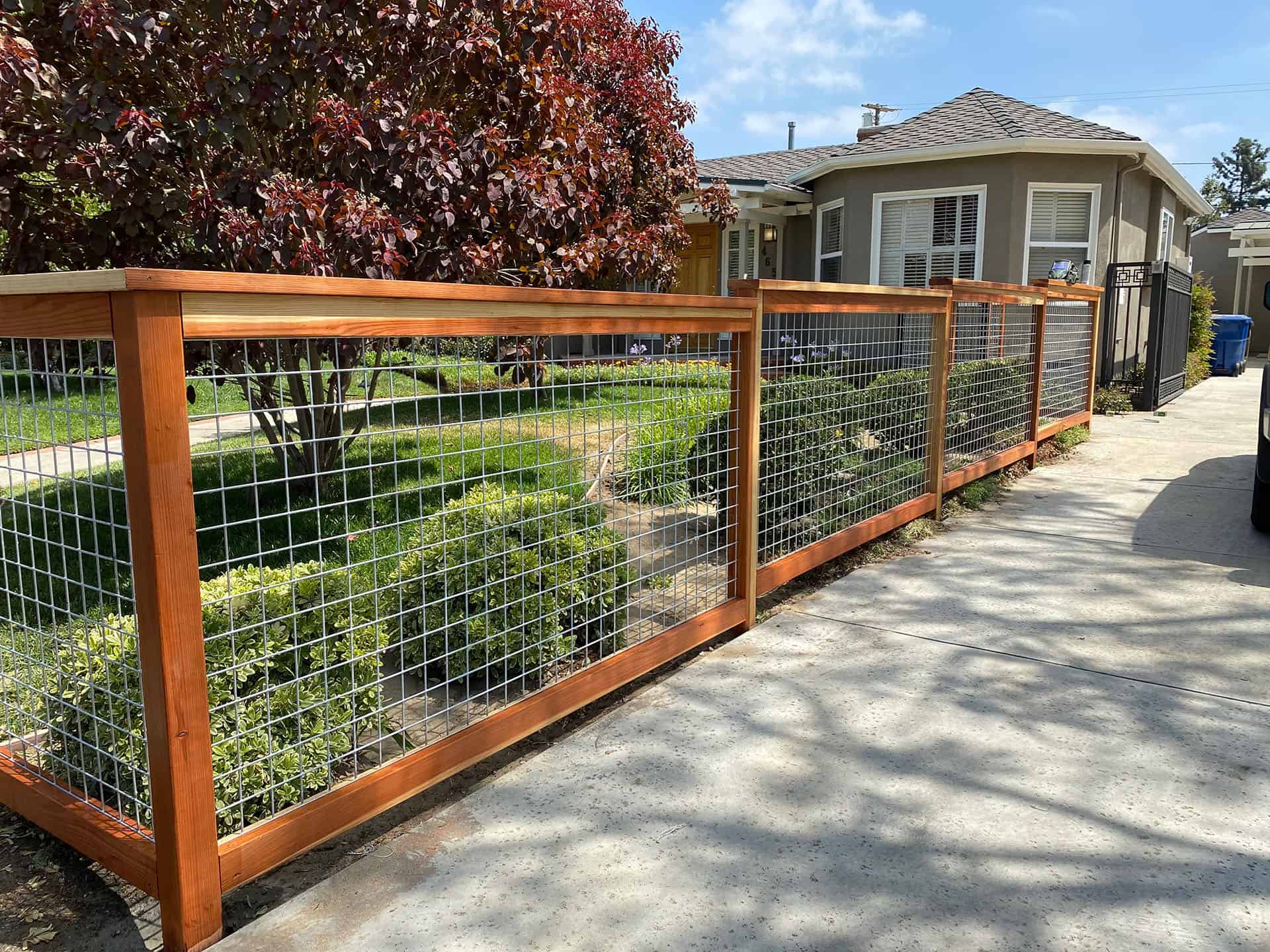
- Welded Mesh in Wood Frame
What decides the detail
- Mesh
- Welded mesh, not woven, wherever the run is long and re-tensioning is impractical. Woven sags at 8′ bays and cannot be pulled tight again.
- Corners
- Terminal, corner and gate posts carry all the tension and get bigger pipe and more concrete than line posts. Cutting that corner is why cheap chain link leans.
- Bottom
- A bottom rail or tension wire stops the mesh being pushed up. Without one, a dog is under the fence in an afternoon.
Questions we get asked
- What are the benefits of a chain link fence?
- Cost per foot, speed of installation and near-zero maintenance. It secures a boundary without blocking light or air, it does not rot or need re-coating, and damaged sections can be spliced rather than replaced wholesale. For long runs and large lots nothing else is close on price.
- Chain link or wood — which should I choose?
- Chain link where the job is security, containment or a long boundary nobody looks at. Wood where the fence is part of how the property presents from the street. Plenty of our clients use both: wood across the frontage, chain link down the side and back.
- Can chain link be made private?
- Yes, with vertical privacy slats woven through the mesh, or with planting. Slats get you roughly 75–90% opacity for a fraction of a solid fence. They do add wind load, so posts and footings get sized for the slatted condition rather than the bare mesh.
- How long does chain link last?
- Galvanised-after-weaving runs twenty to thirty years inland. Vinyl-coated over a galvanised core goes longer, and looks better doing it. The usual failure is not the mesh but a leaning terminal post that was never given enough concrete.
Other things we build
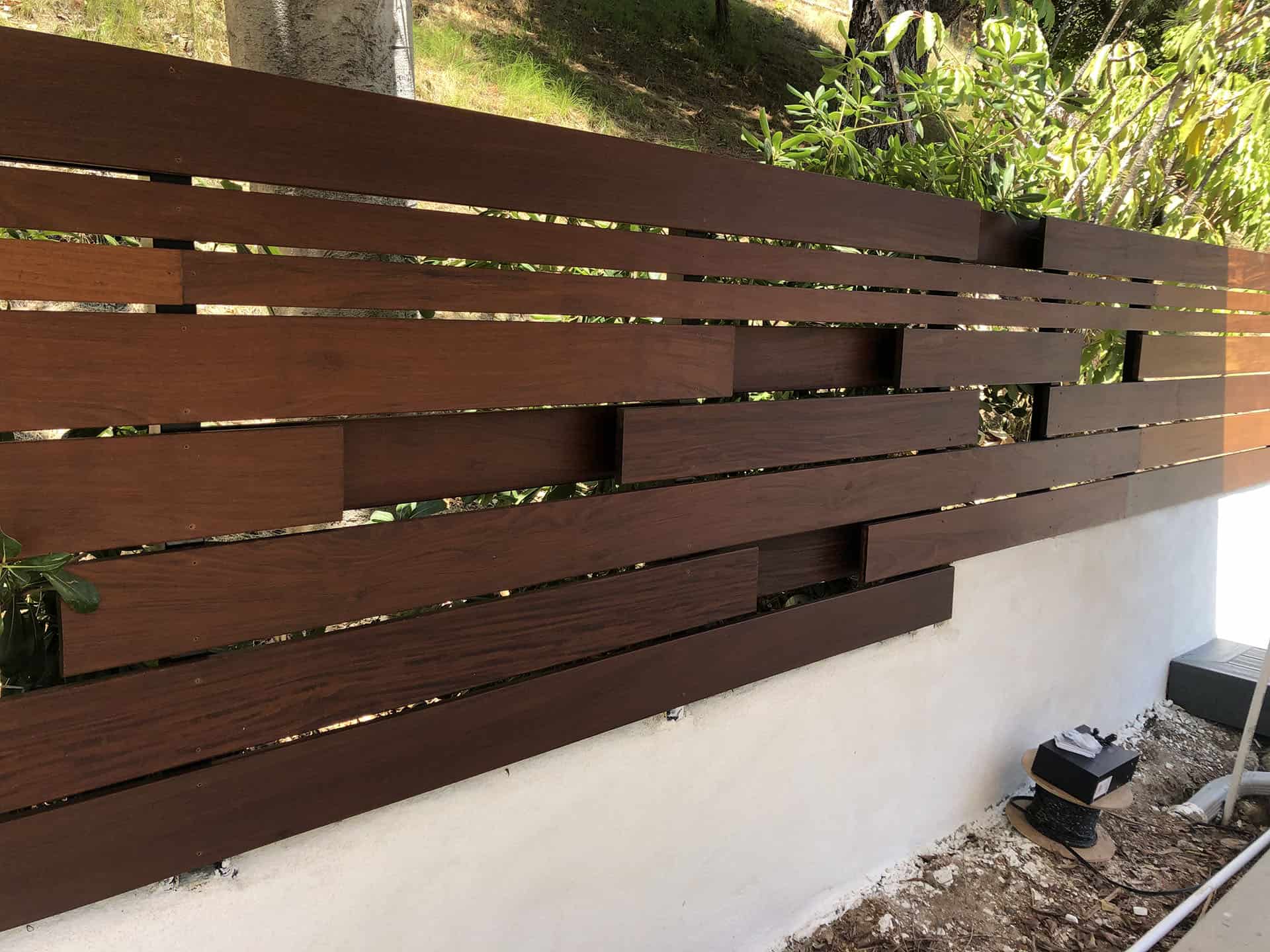 Fence installationipe · redwood · cedar · iron · vinyl · mesh
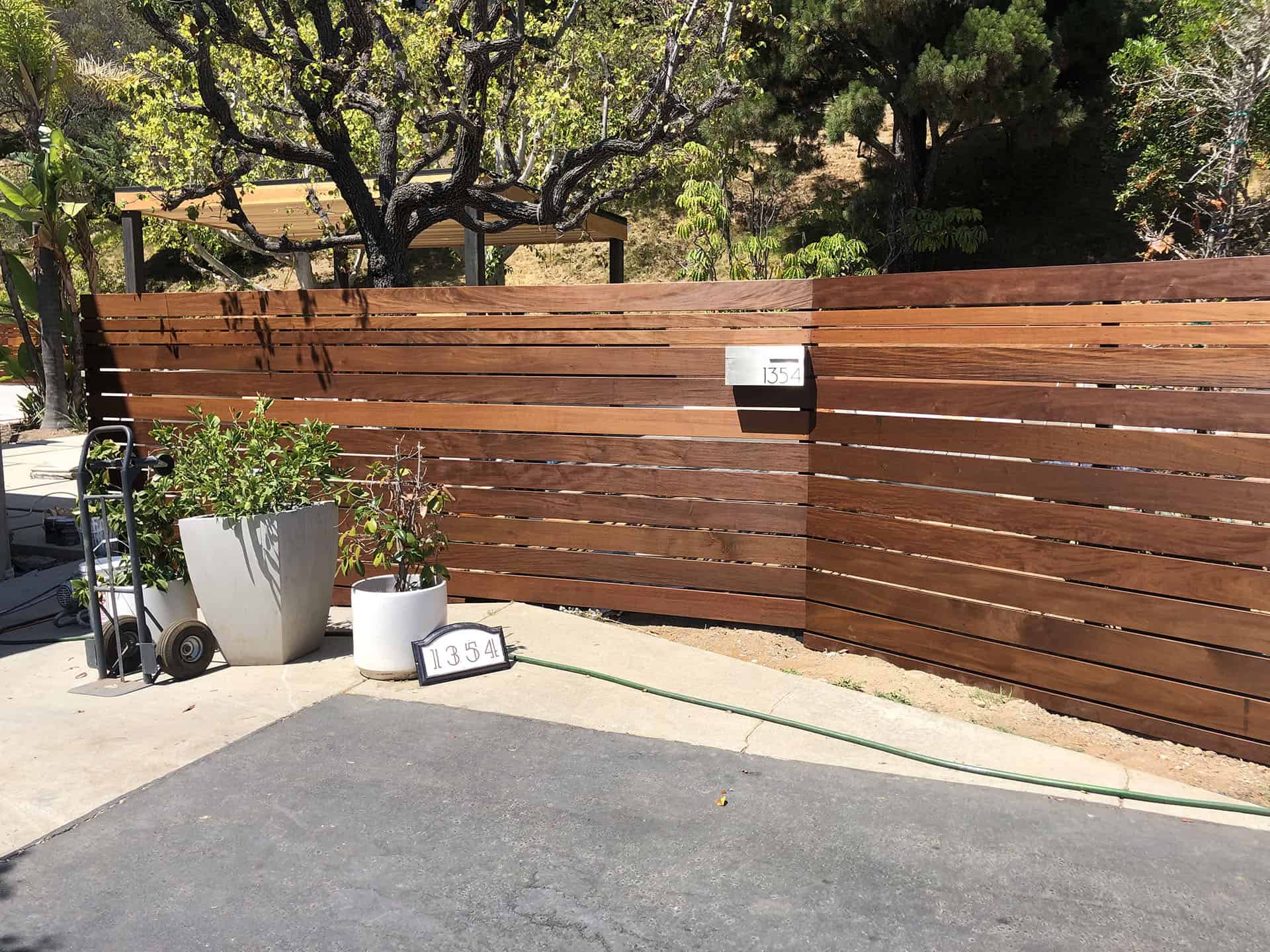 Wood fenceipe · mahogany · redwood · cedar
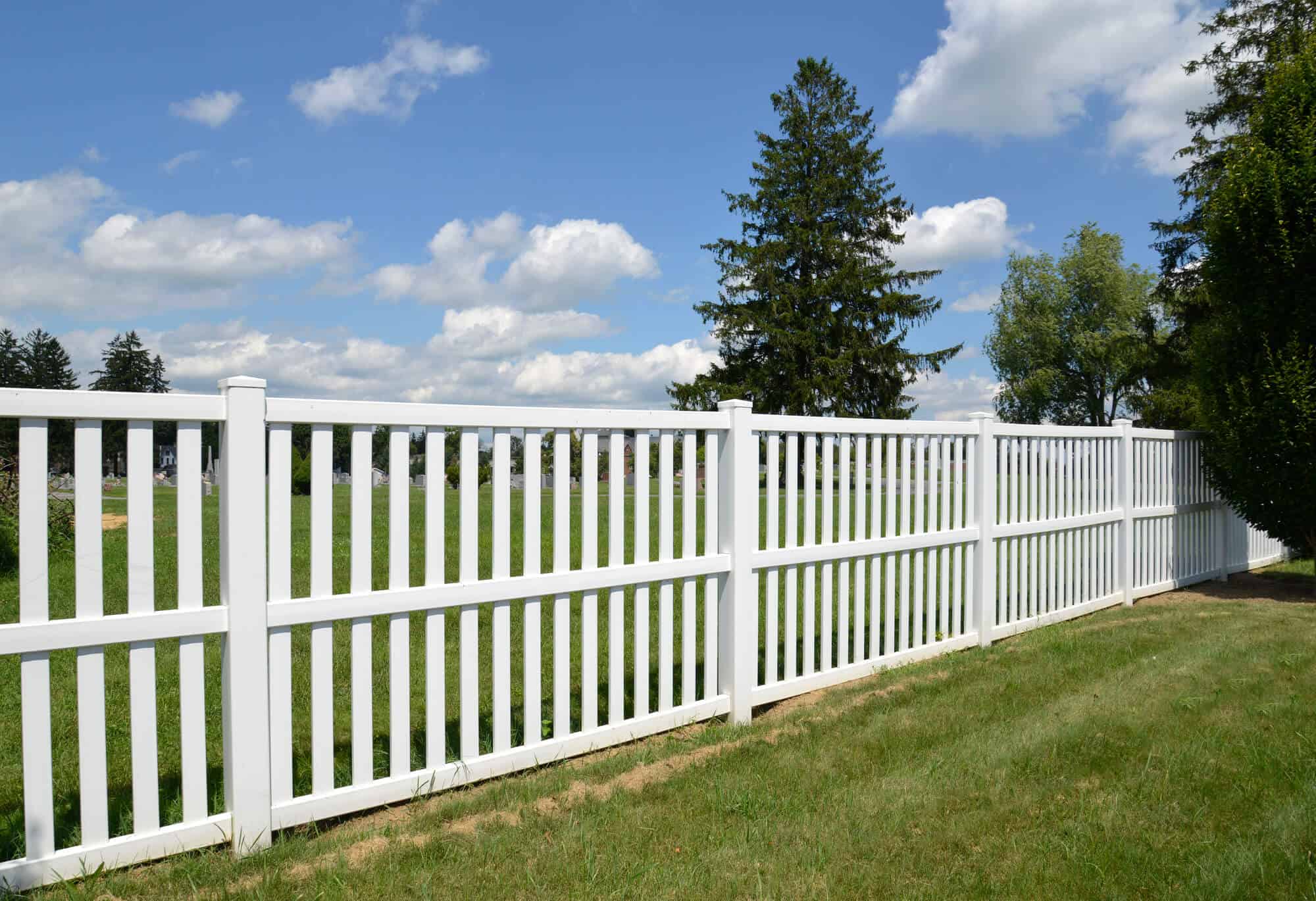 Vinyl fenceprivacy · semi-privacy · picket · ranch rail
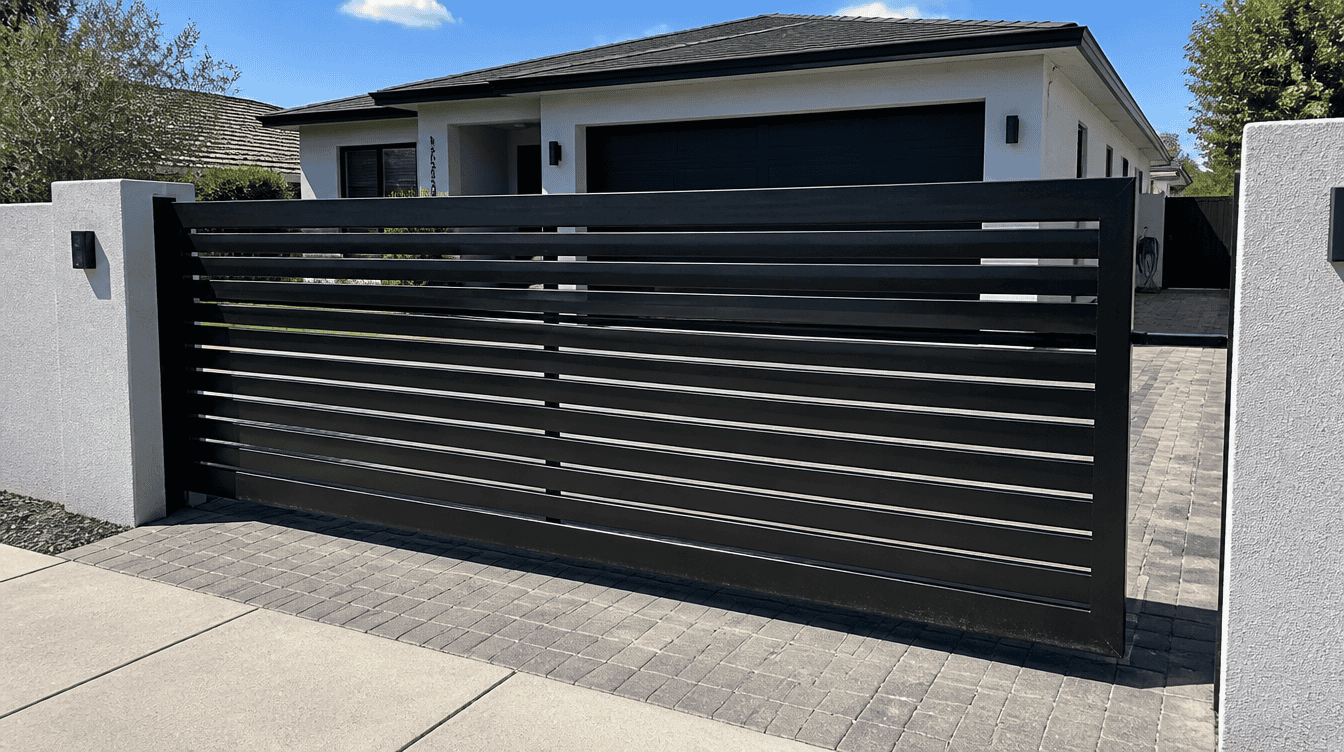 Aluminum fenceflat-top · spear-top · horizontal slat · pool
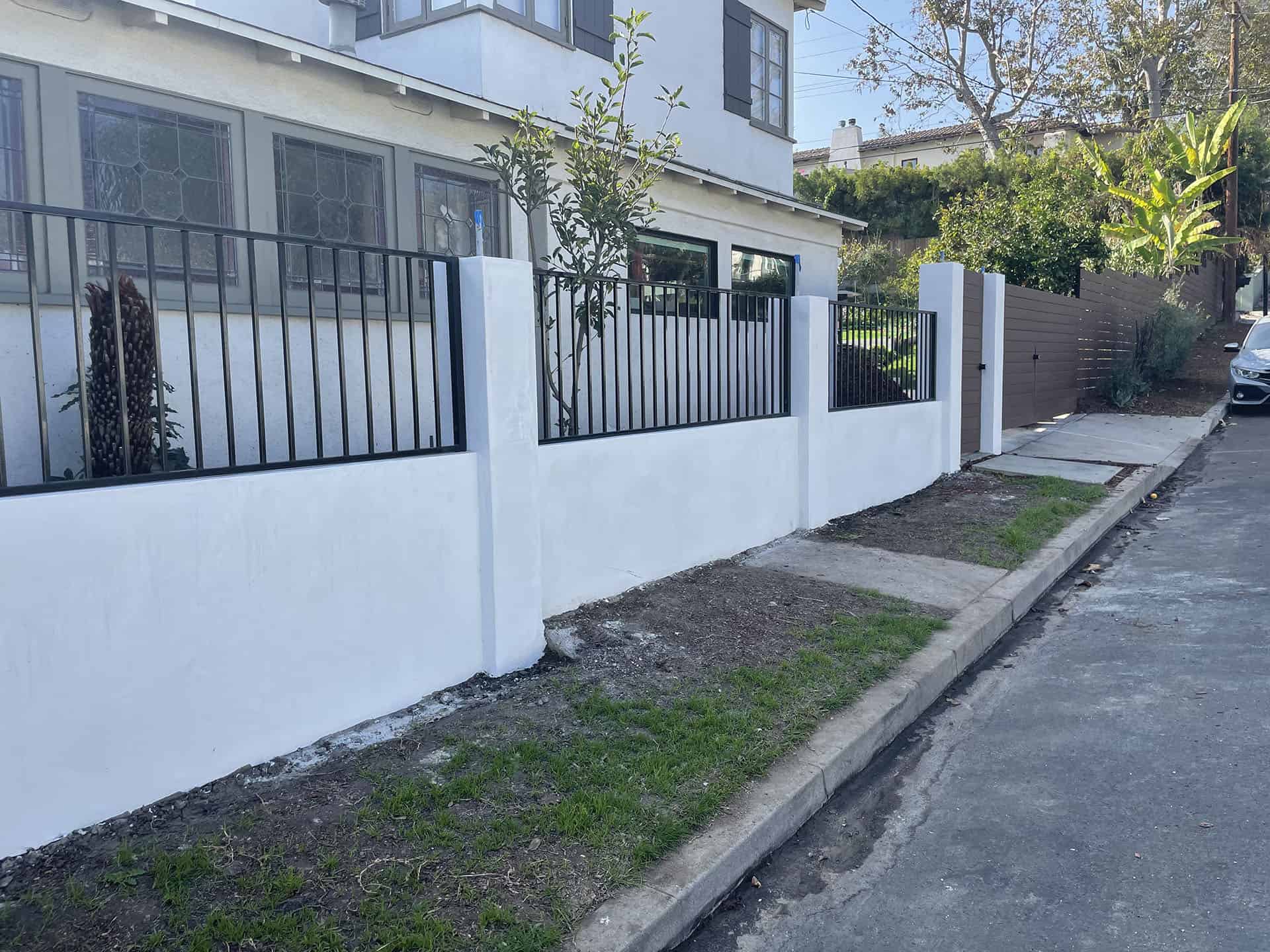 Wrought iron fencesolid bar & square tube, welded
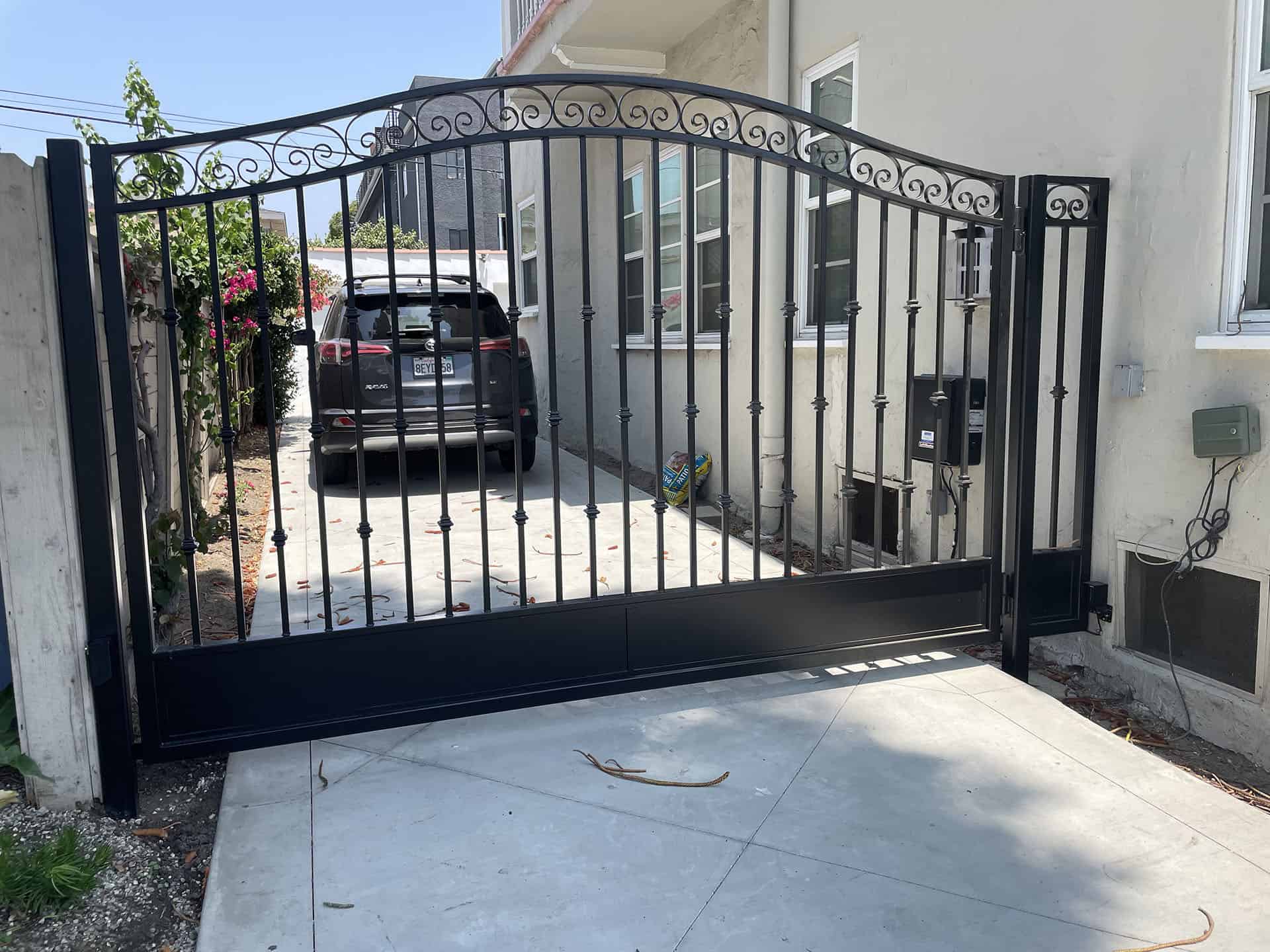
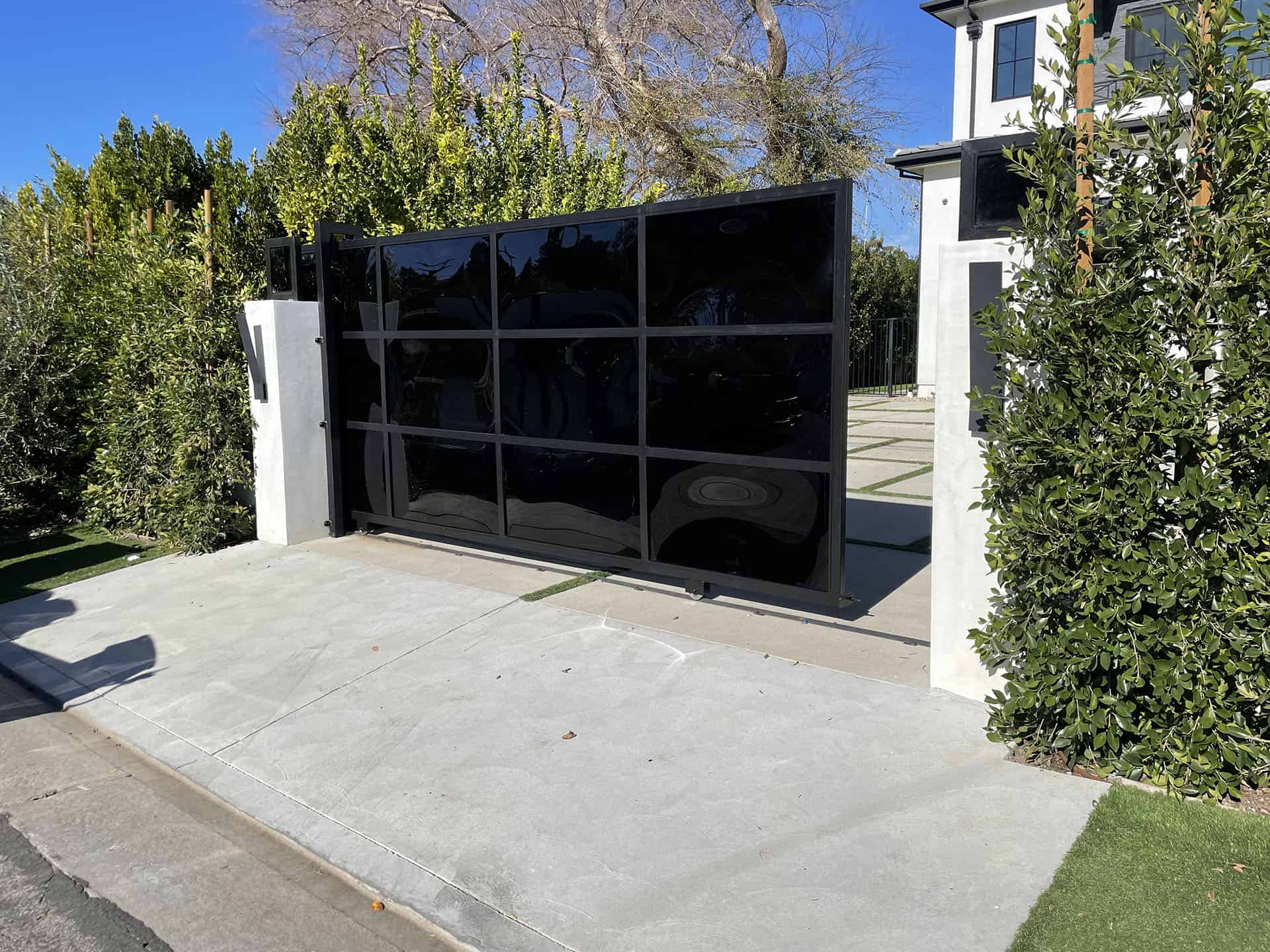 Driveway gatesslide · swing · cantilever · bi-fold
 Electric gate openersslide · swing · cantilever
Where we build them
Ten neighbourhoods, one shop in Tarzana.
Get a real number
Tell us the length and layout for your fence, or the opening width for your gate, and we’ll tell you what it takes. Site visits are free inside the service area and take about forty minutes.
- Shop
- 18375 Ventura Blvd, #453, Tarzana, CA 91356
- Hours
- Mon–Sat 7:00–18:00
- Licence
- CSLB 952680