
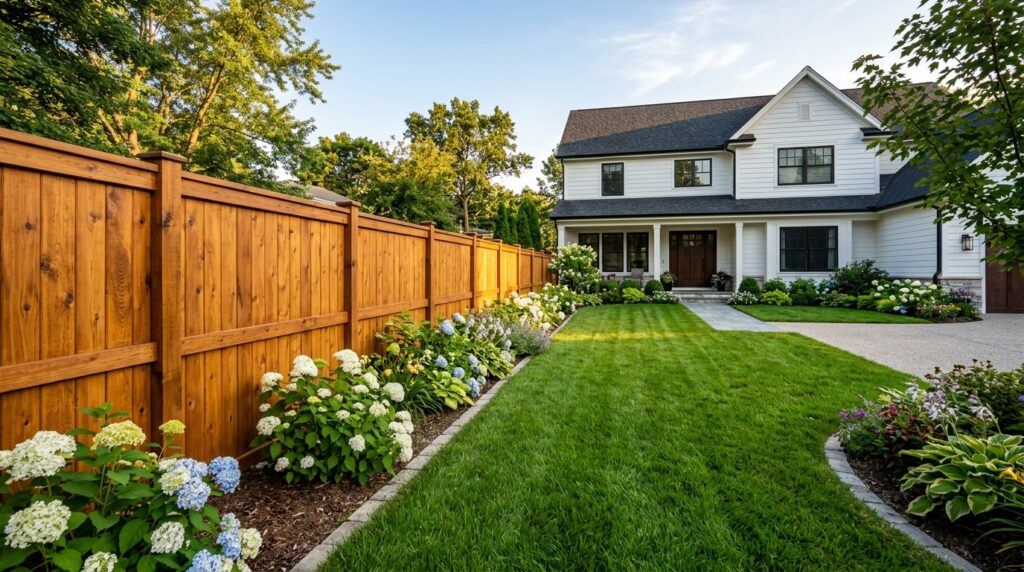
Is Fence Staining Worth It For Your Property Value
Your wood fence is one of the first things neighbors and potential buyers notice, yet it is also the most vulnerable to the elements. Many homeowners find themselves asking if fence staining worth it when faced with the upfront cost and labor. Staining acts as a critical barrier against rot, warping, and UV damage. It is a strategic move that transforms a graying perimeter into a high-end architectural feature.
The financial logic is simple: a professional stain costs a fraction of a full replacement and can effectively triple your fence’s lifespan. While untreated wood often fails within seven years, a maintained fence can easily last two decades, securing a significant return on investment. Beyond the structural benefits, the immediate boost in curb appeal can recoup up to 70% of the project cost in added home value. Investing in protection now prevents the thousands of dollars required for a total tear-down later.
Key Takeaways
- Professional staining can triple a fence’s lifespan from seven years to over twenty, preventing the premature rot and warping caused by moisture and UV exposure.
- Staining is a high-yield financial strategy that costs a fraction of a full replacement, saving homeowners thousands of dollars in capital expenses while recouping up to 70% of the project cost in home value.
- Penetrating stains are superior to traditional paint because they create a breathable, hydrophobic barrier that prevents internal decay and eliminates the need for labor-intensive scraping and sanding during maintenance.
- A well-maintained, stained fence significantly boosts curb appeal and buyer confidence, signaling meticulous property care and facilitating faster, more competitive real estate offers.
Comparing Staining Costs To Full Fence Replacement
Deciding whether to stain your fence often comes down to a simple comparison of immediate maintenance costs versus the price of a total structural overhaul. While a professional staining service typically requires a median investment of approximately $1,300, it serves as a powerful shield against the elements that lead to premature decay. In contrast, homeowners who neglect this preventative care often face full replacement costs that average between $3,400 and $5,000 or more. By choosing to seal your wood now, you are effectively opting for a fraction of the cost to avoid a massive capital expense just a few years down the road.
The financial logic becomes even clearer when you consider the extended lifespan of treated timber versus raw wood. Untreated fences often begin to warp, crack, or succumb to rot within five to seven years, forcing an early and expensive demolition. Regular professional staining can triple your fence’s lifespan, allowing your fence to remain structurally sound for up to twenty years. This proactive approach transforms a routine maintenance task into a high-value investment that protects your property’s equity. Spending a few thousand dollars over the course of a decade on maintenance is far more economical than replacing the entire perimeter twice in that same timeframe.
Beyond the direct savings on materials and labor, a well-maintained fence provides a measurable return on investment regarding your home’s total market value. Real estate experts frequently note that a stained fence significantly boosts curb appeal, signaling to potential buyers that the entire property has been meticulously cared for. A gray, rotting fence can decrease a home’s appeal and lead to lower offers, while a vibrant, sealed fence can recover a large portion of its installation cost during a sale. Investing in professional sealing services today ensures that your backyard remains an asset rather than a looming financial liability.
Maximizing Curb Appeal And Property Resale ROI
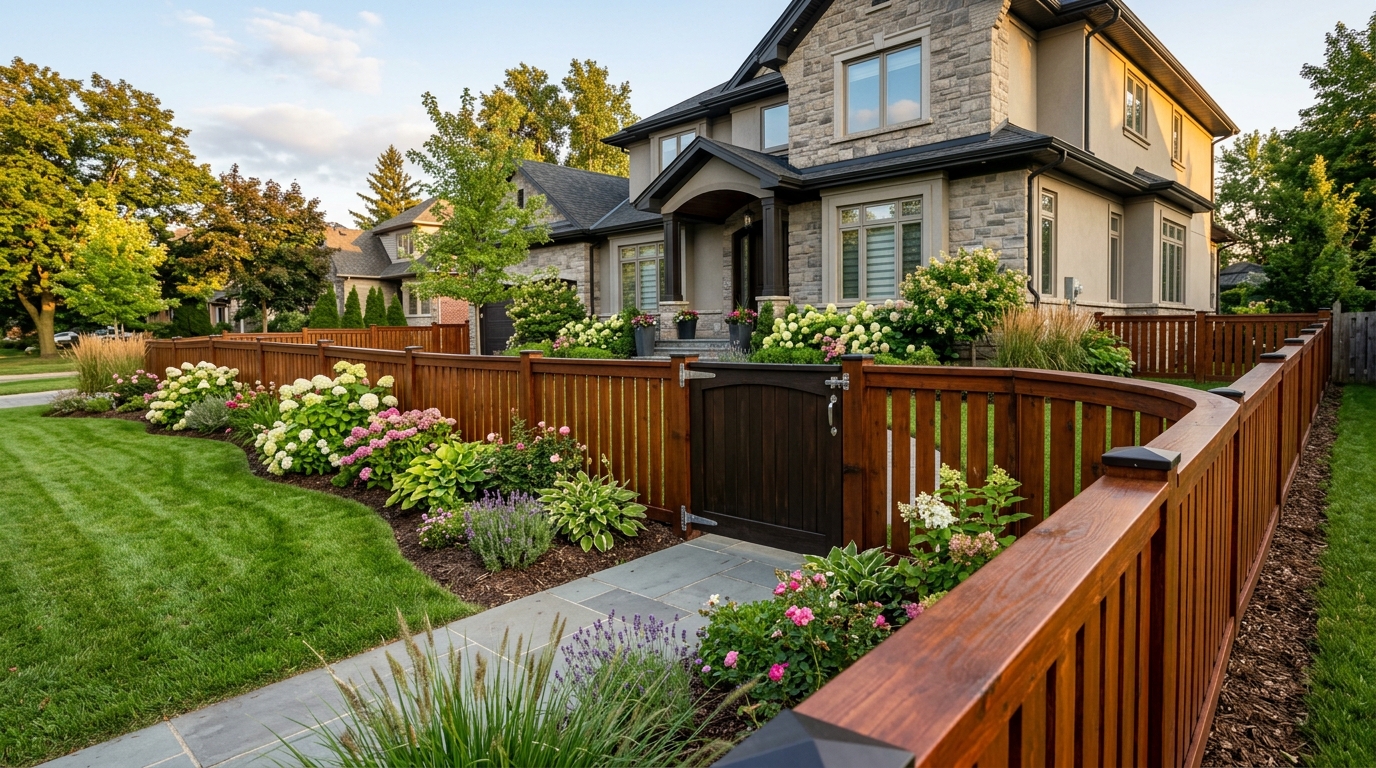
Investing in professional fence staining is one of the most cost effective ways to protect your property value while avoiding the expense of a full replacement. While a new fence installation can easily cost upwards of five thousand dollars, a professional seal and stain typically costs a fraction of that amount. This proactive maintenance prevents moisture from seeping into the wood fibers, which effectively stops the cycle of rotting, warping, and splitting before it begins. By choosing to stain now, you are essentially doubling or tripling the lifespan of your wood, ensuring your investment remains structurally sound for up to twenty years.
Beyond the structural benefits, a freshly stained fence serves as a powerful visual signal to potential buyers that a home has been meticulously maintained. Real estate experts frequently note that professional staining can return up to 70% of the project cost by boosting curb appeal and buyer confidence. An untreated, graying fence often suggests hidden maintenance issues, whereas a rich, uniform finish creates a polished exterior that stands out in the current market. This immediate aesthetic upgrade transforms a weathered perimeter into a high value asset that justifies a higher asking price.
Choosing to seal your fence today is a strategic financial decision that minimizes long term homeownership costs. When buyers see a well preserved fence, they see one less expensive project they have to worry about after closing. This confidence often leads to faster sales and more competitive offers, making the initial service fee pay for itself many times over. By prioritizing professional protection now, you secure your home against the elements while maximizing the eventual resale return on your property.
Preventing Wood Rot And Structural Warping Damage
Investing in professional fence staining is a strategic move that fundamentally alters the lifespan of your wood structure. Unlike topical paints that merely sit on the surface, penetrating stains soak deep into the wood fibers to create a hydrophobic barrier. This barrier prevents moisture from soaking into the timber, which is the primary cause of wood rot and fungal growth. By keeping the internal structure dry, you effectively shield your fence from the cycle of swelling and shrinking that leads to structural failure. This proactive maintenance can easily double or triple the duration your fence remains standing and functional.
Sun exposure is another silent threat that causes untreated wood to become brittle and prone to warping. High quality stains contain UV inhibitors that act like a powerful sunscreen for your fence, blocking the harsh rays that break down lignin and cause the wood to turn grey. When wood fibers are protected from UV damage or degradation, they retain their natural flexibility and strength over time. This prevents the unsightly bowing and twisting that often forces homeowners into a premature and expensive full replacement. Protecting the wood at a cellular level ensures the structural integrity remains intact for decades rather than just a few years.
From a financial perspective, the decision to stain is a clear choice between a modest maintenance cost and a massive capital expenditure. A professional staining service typically costs a fraction of a full fence replacement, which can easily reach several thousand dollars. By choosing to seal your fence now, you are effectively locking in the value of your initial installation and delaying the need for new lumber. Homeowners who prioritize this service enjoy a significant return on investment through enhanced curb appeal and the avoidance of emergency repairs. Ultimately, a well maintained fence serves as a testament to a meticulously cared for property that holds its value.
Why Professional Staining Outperforms Traditional Painting
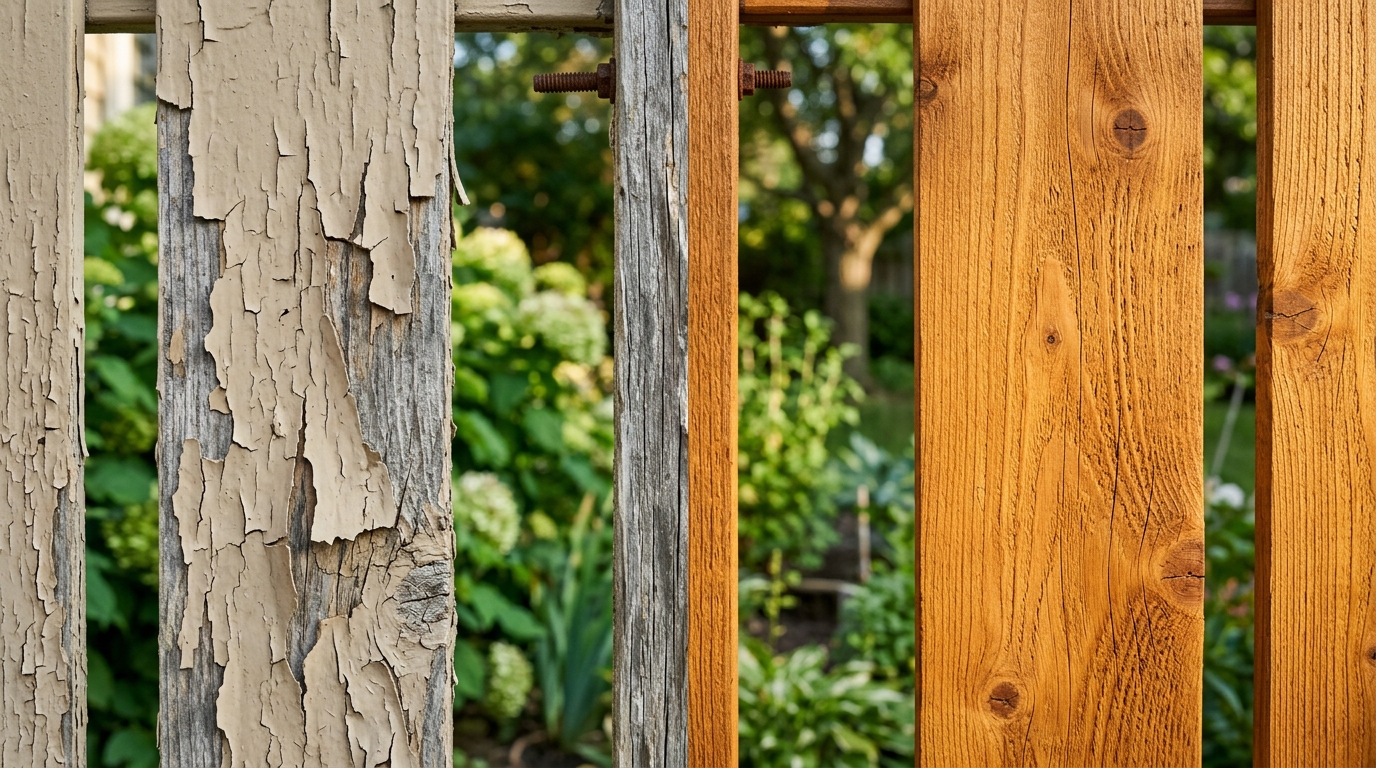
Choosing a professional stain over traditional paint is a strategic decision that fundamentally changes how your wood interacts with the environment. Unlike paint, which forms a thick and brittle film on the surface, high quality stains are designed to be breathable and penetrative. This allows moisture that naturally enters the wood to evaporate freely rather than becoming trapped beneath a non porous layer. When water is locked behind a coat of paint, it creates a breeding ground for rot and decay that can destroy your fence from the inside out. By opting for a professional grade stain, you ensure that your investment remains structurally sound by managing moisture levels effectively.
The long term maintenance profile of a stained fence offers a significant advantage over the labor intensive upkeep required for painted wood. When paint eventually fails, it cracks, bubbles, and peels, necessitating hours of grueling scraping and sanding before a fresh coat can be applied. Professional stains are formulated to fade gracefully over several years without losing their bond to the wood fibers. This means that when it is time for a maintenance refresh, the process typically involves a simple cleaning and a direct reapplication of the stain. You effectively eliminate the need for harsh chemical strippers or physical abrasion, saving you both time and money on future service bookings.
Investing in professional staining services provides a superior level of protection that maintains the natural beauty and integrity of the cedar or pressure treated lumber. Professional grade products contain advanced UV inhibitors and pigments that shield the wood from the sun’s damaging rays, which prevents the graying and bleaching common in untreated fences. Because the stain saturates the wood cells, it offers a deep level of protection that paint simply cannot match. This proactive approach to fence care prevents the warping and splitting that leads to premature replacement costs. Ultimately, the transition from painting to professional staining represents a shift toward a more sustainable and cost effective property management strategy.
Protect Your Investment and Extend Fence Life
Deciding whether fence staining is worth the investment ultimately comes down to a simple comparison between proactive maintenance and the high cost of total replacement. While an untreated wood fence may begin to warp or rot in as little as five years, a professionally sealed fence can easily last two decades or more. By spending a fraction of the cost of a new installation on high quality staining, you are effectively doubling or even tripling the lifespan of your outdoor investment. This professional service acts as a vital barrier against moisture, UV rays, and graying, ensuring the structural integrity of the wood remains intact.
Beyond the practical structural benefits, staining offers a significant financial return by boosting your property’s overall market value and curb appeal. Real estate experts often highlight that a well maintained fence signals to potential buyers that the entire home has been meticulously cared for over the years. Understanding maintenance costs and total ownership value is essential for any homeowner. This aesthetic upgrade can recoup a large portion of its cost during a home sale, making it a savvy choice for homeowners looking to maximize their equity. Choosing to stain your fence now prevents the inevitable headache of a multi thousand dollar replacement project down the road. It is a strategic move that protects both your backyard privacy and your long term financial health.
Frequently Asked Questions
1. Is fence staining actually worth the investment?
Staining your fence is a strategic investment that provides a critical barrier against rot, warping, and UV damage. It serves as a high-end architectural feature that can triple your fence’s lifespan while offering a massive return on investment compared to a full replacement.
2. How much money can I save by staining my fence instead of replacing it?
Professional staining typically costs around $1,300, while a full fence replacement can range from $3,400 to over $5,000. By choosing to stain, you are spending a small fraction of the cost required for a total tear-down and avoid a massive capital expense down the road.
3. How much longer will my fence last if I stain it?
While untreated wood fences often fail and require replacement within five to seven years, a properly stained and maintained fence can easily last two decades. Regular professional staining prevents the wood from warping or cracking, effectively doubling or tripling its structural life.
4. Does staining my fence increase my home’s property value?
Staining provides an immediate boost to your curb appeal that can recoup up to 70% of the project cost in added home value. It transforms a weathered, graying perimeter into an attractive asset that neighbors and potential buyers will notice immediately.
5. What happens to wood fences if they are left untreated?
Untreated wood is highly vulnerable to the elements and will quickly succumb to moisture and sun damage. Without the protection of a stain, timber begins to warp, crack, and rot within just a few years, leading to premature structural failure.
6. Is it better to hire a professional or stain the fence myself?
Professional staining services ensure a powerful shield against the elements through expert application and high-quality materials. Investing in professional care now prevents the thousands of dollars in costs associated with the early demolition and replacement of a neglected fence.